Fiber laser beams vs. CO2 laser beams
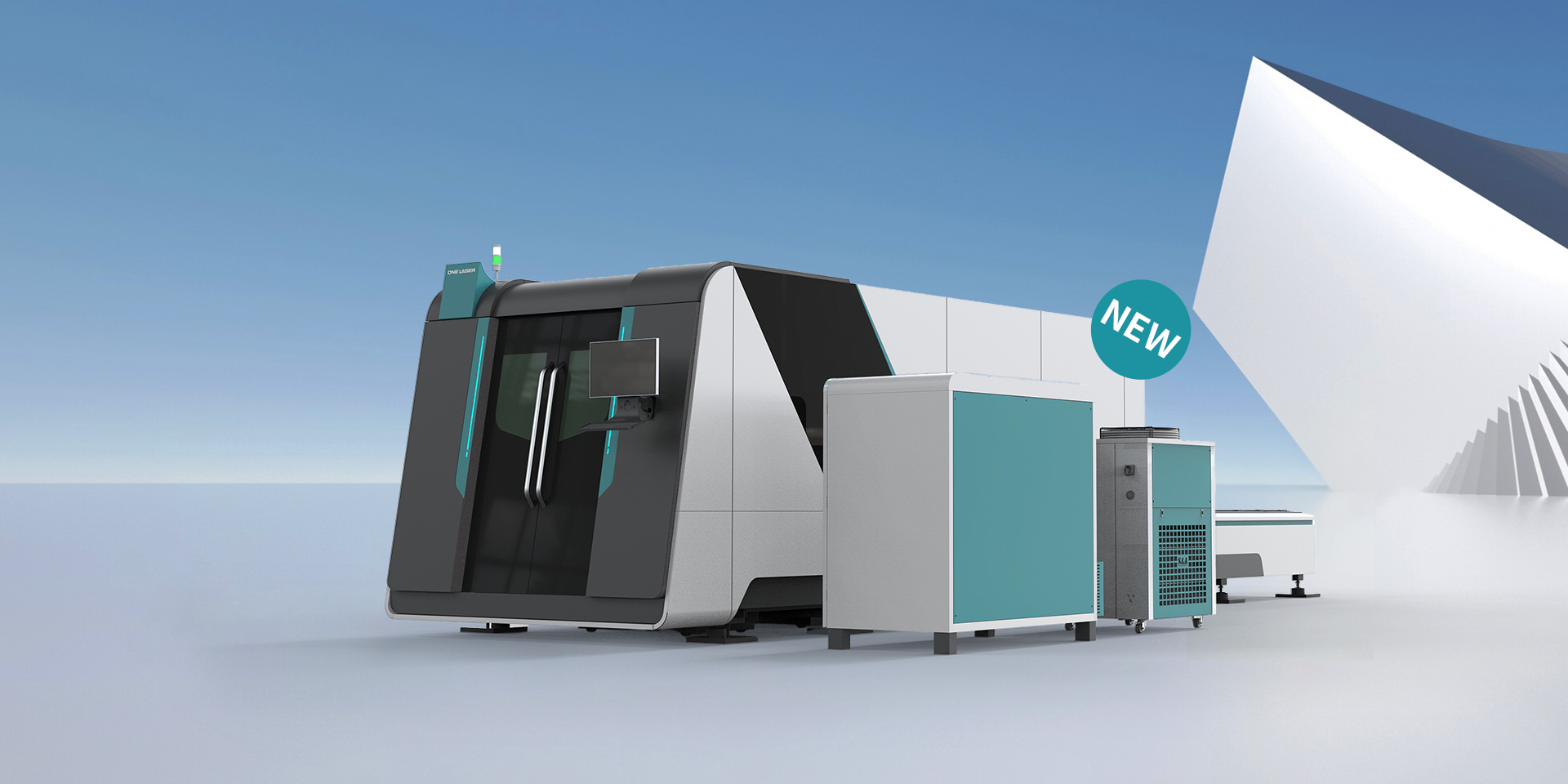
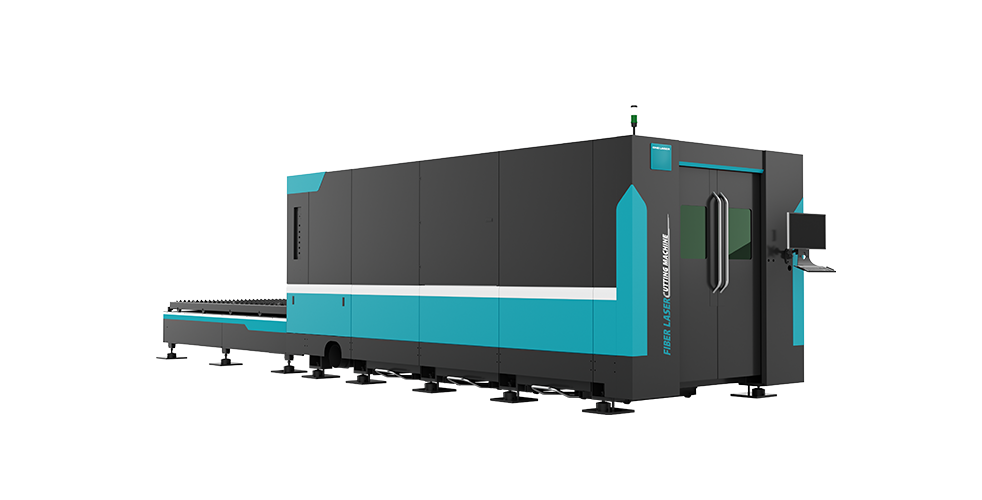
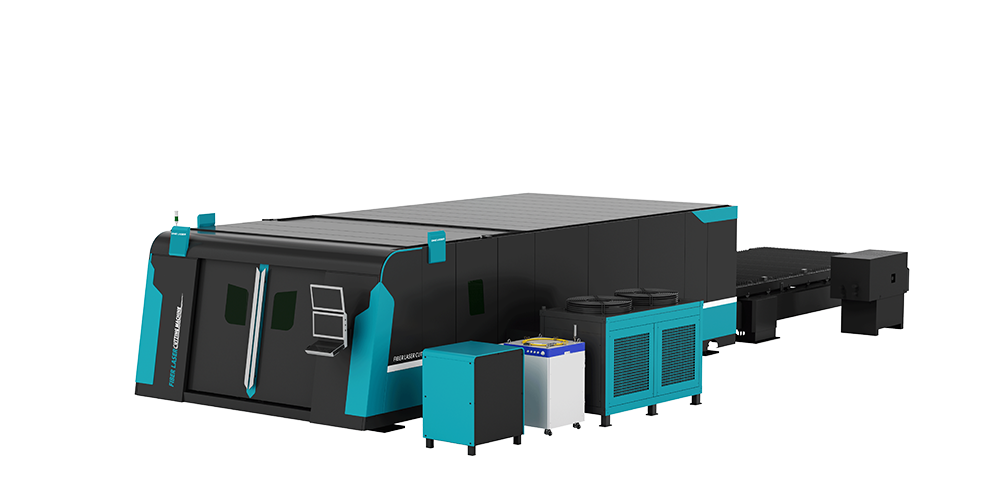
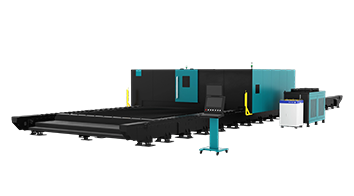
Some differences are obvious. The laser "generator" of a fiber laser is much smaller than that of a traditional CO2 resonant cavity. In fact, a fiber laser consists of multiple diode arrays integrated into a briefcase-sized module, with power ranging from 600 watts to 1500 watts. Multiple modules are pieced together to form the final charged resonant cavity, typically about the size of a small filing cabinet. The generated beam is transmitted and amplified via fiber optic cables. When the beam exits the fiber optic cable, it is exactly the same as when it was generated, without any power or quality loss. The beam is then focused according to the type of material to be cut.
CO2 resonant cavities are larger and require more energy because electrical energy needs to be introduced into the gas mixture to generate the laser beam. Mirrors help enhance the light intensity, preparing it to leave the resonant cavity. After leaving the resonant cavity, the beam must pass through a path composed of multiple cooled mirrors to reach the lens. This process results in power and quality loss in the laser beam.
Because carbon dioxide lasers consume a large amount of energy, their efficiency is relatively low, and their power conversion efficiency is much lower compared to fiber lasers. Therefore, the large coolers required for carbon dioxide lasers also consume more total power. Given that the power conversion efficiency of a fiber laser resonator exceeds 40%, you can save not only electricity but also valuable floor space.
Furthermore, fiber lasers require less maintenance. They do not require mirror cleaning and bellows inspection like carbon dioxide laser cutters. As long as the cooling water is kept clean and the air filter is replaced regularly, fiber lasers themselves require no preventative maintenance.
Advantages and Disadvantages of Laser Bathtub Cutting Once upon a time, many people believed that fiber lasers could only be used to cut thin materials. Longer wavelength carbon dioxide lasers could produce sufficient kerf when cutting thick materials, leaving enough space for material removal; while fiber lasers could not produce the same kerf or achieve the same cutting effect when cutting thicker materials. However, in recent years, the advent of collimation technology has solved this problem. Collimation technology can produce a wider fiber laser beam, thus creating material separation and leaving space for material removal even when cutting thick materials. Furthermore, because the beam width can be switched, the machine can use a narrower beam to process thin materials, allowing for faster processing of materials of different sizes on the same fiber laser cutting machine.
Pipe Laser Cutting
Currently, commercially available sheet metal laser cutting machines are equipped with laser generation technology capable of providing up to 12 kW of power. However, laser tube cutting machines typically have a maximum power of 5 kW, as excessive power would cause the other side of the tube to be cut simultaneously.
Laser Tube Cutting Materials
When laser cutting thin metal sheets, the sheet metal can be changed within seconds. Laser tube cutting can also do this, but the specific operation is quite different.
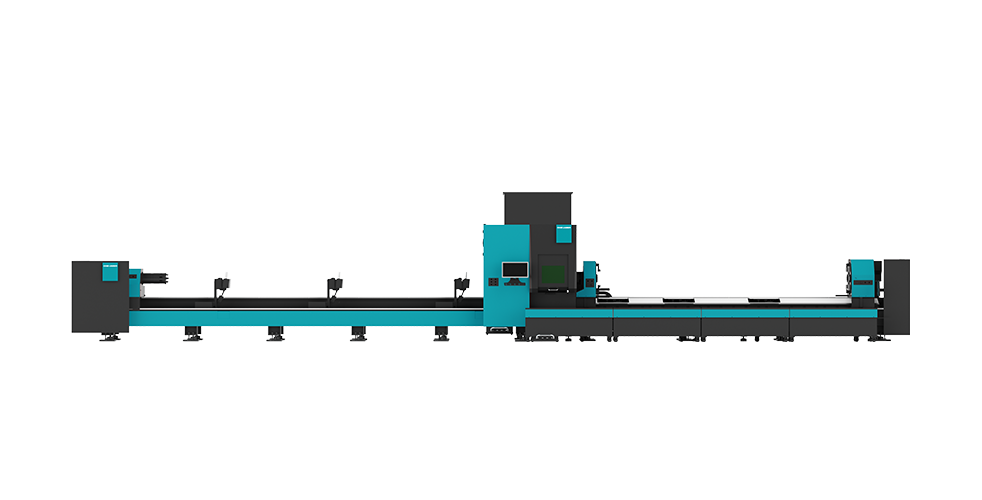
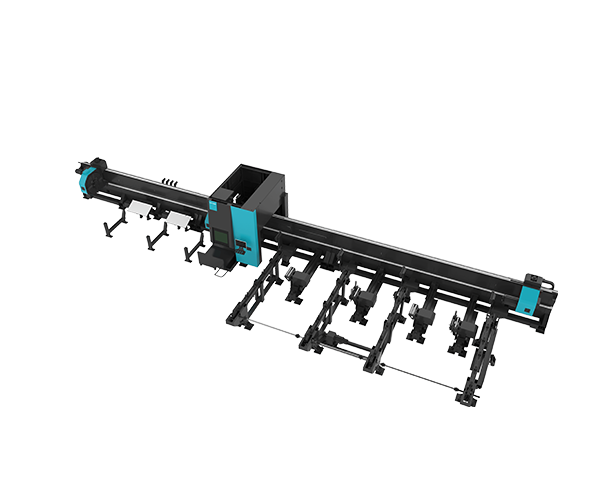
Laser tube cutting machines do not have a standard material tower. A bundled feeder is the most efficient solution for tube material handling, feeding the tubes one by one from the bundle into the laser cutting machine through a single-tube separation system. This feeding method is not suitable for open profiles, such as angle steel or channel steel, because they interlock during the bundling process and are difficult to separate. For open profiles, a stepping feeder is used, which feeds segments sequentially into the machine while maintaining the correct orientation.
Welds must also be considered when cutting tubing. This material is formed by roll forming followed by welding. This raises two issues that must typically be addressed:
The location of the welds must be considered during laser cutting. Welds must not obstruct pins or holes, and for aesthetically pleasing applications such as furniture, welds need to be concealed as much as possible. In traditional laser tubing cutting systems, optical sensors scan the tubing to locate welds. Tube surfaces are often contaminated with oil or rust, making welds difficult to distinguish from other contaminated areas. On stainless steel or galvanized tubing, welds may only be visible from the inside.
No laser cutting of tubing is perfect.
Remember, no tubing is perfect. They will all bend and deform. Welds will bulge not only on the outside of the tubing but also on the inside. When there are such large variations between different batches, processing this material consistently and quickly becomes a real challenge.
Tube Laser Cutting Machines
Another factor to consider is that traditional methods for detecting tube bending and twisting can take five to seven seconds to begin cutting. Using traditional tactile inspection methods, you must make trade-offs between efficiency and accuracy. In the era of fiber laser cutting, this seems particularly long, but tube processing is far more complex than sheet metal processing.
To shorten tube inspection time, some machine manufacturers have begun using cameras for inspection. Cameras can reduce quality inspection time to about half a second and reduce the number of rotations required. This allows the machine to maintain production efficiency while preserving accuracy.
Focusing on Producing Finished Parts
Fiber lasers require almost no maintenance, are more energy efficient than traditional CO2 laser cutters, can cut reflective materials, and provide precise cuts. Fiber lasers are also faster than CO2 laser cutters when cutting metals of a certain thickness. However, when cutting tubes, speed is relative. The real key to saving time lies in speeding up tube processing and increasing the production efficiency of finished parts.