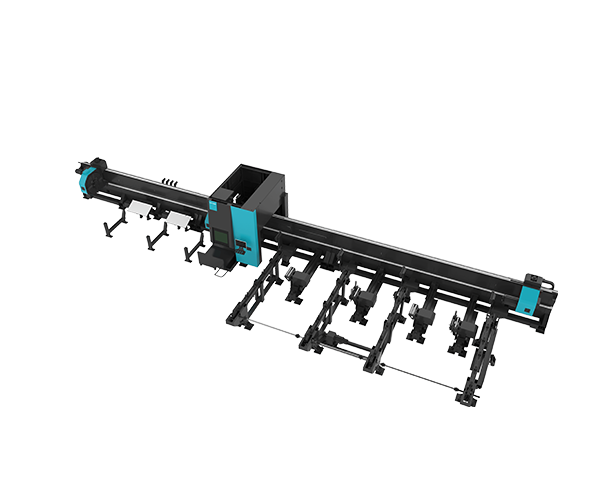
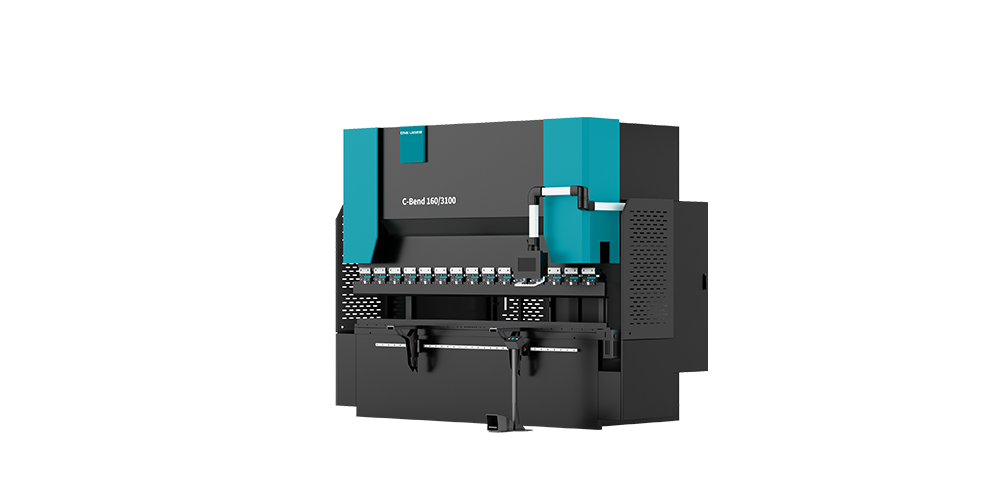
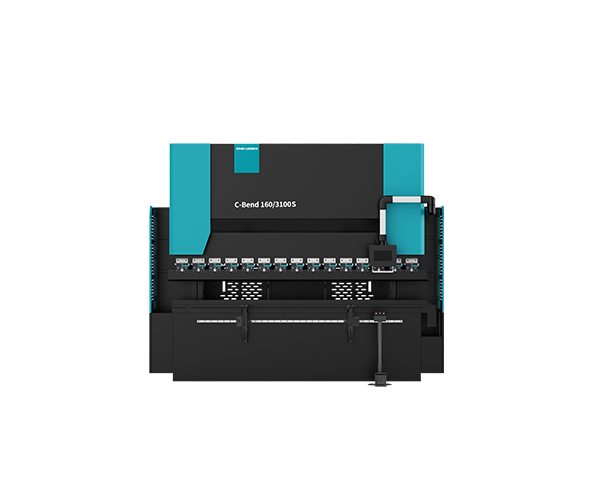
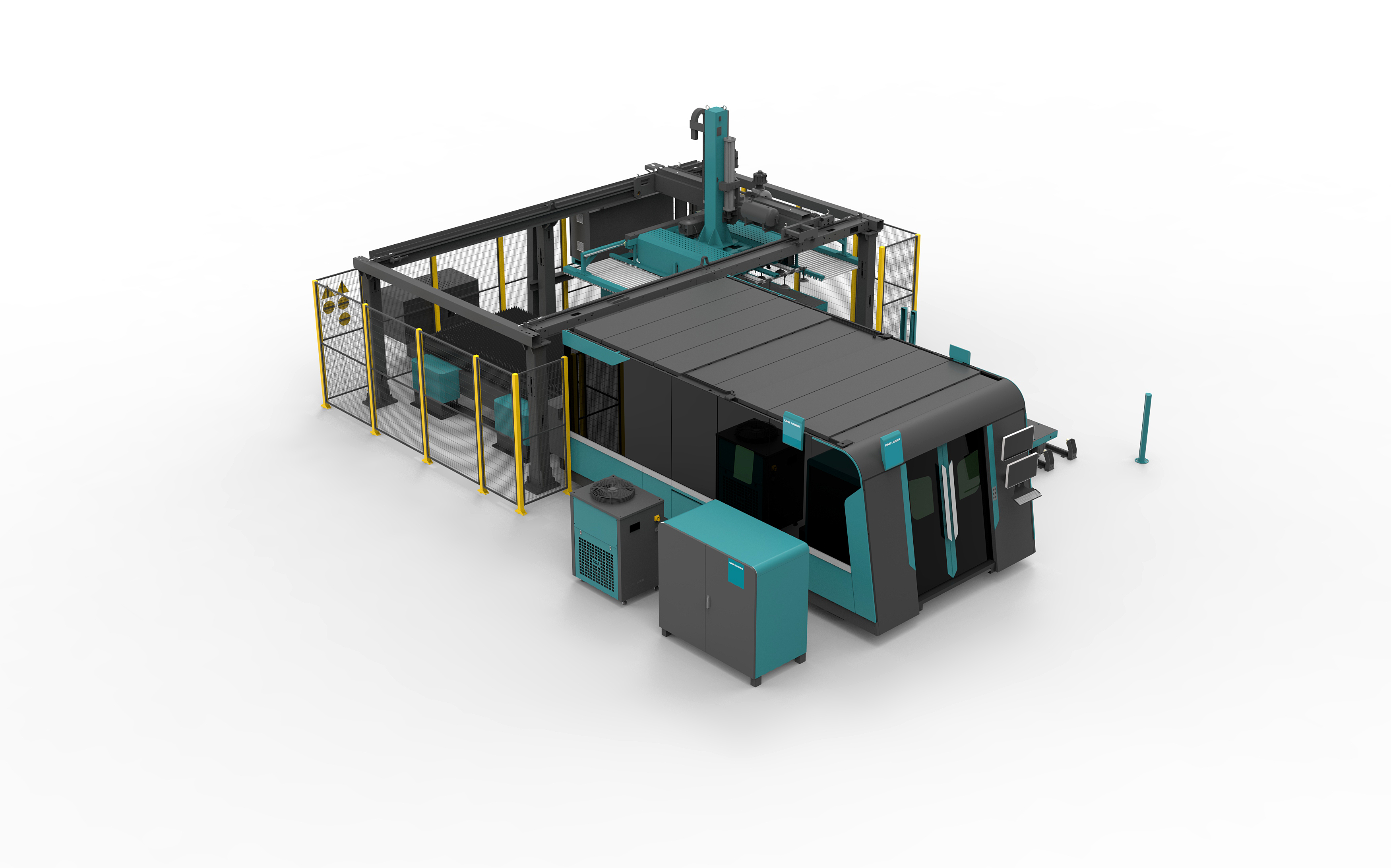
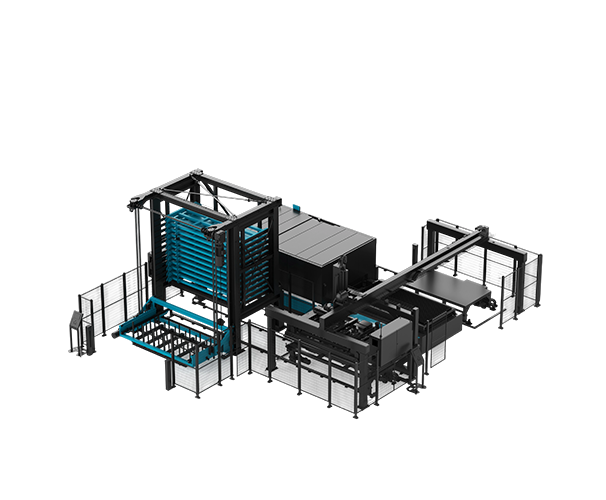
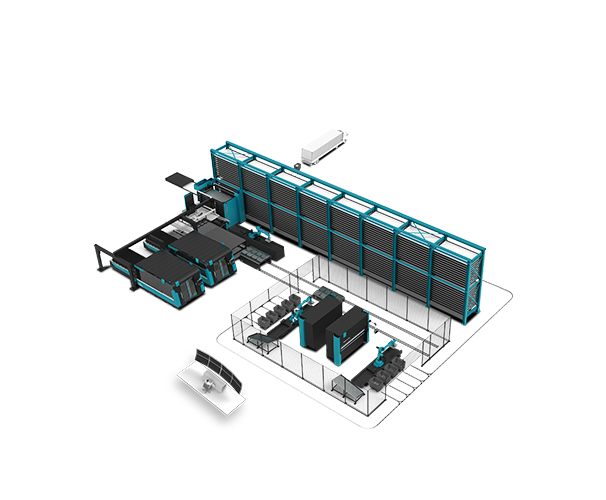
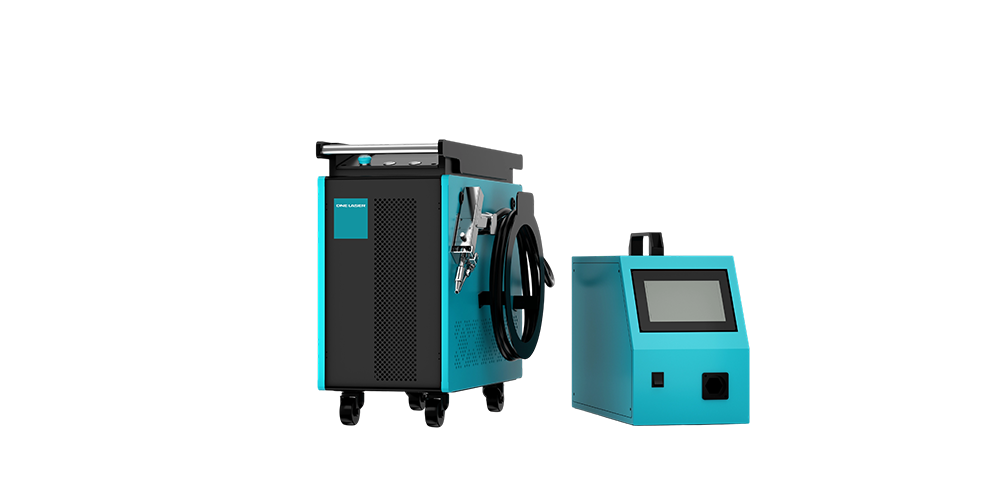
Laser cutting machines can be classified according to their heat output, which is directly related to the machine's power and design. The heat generated during laser cutting determines the efficiency of material melting, vaporization, or decomposition. Low-power models are typically used for processing fragile materials, while industrial-grade systems are designed for processing thick metals and high-temperature resistant materials. Based on the method of heat generation, the main types of laser cutting machines include CO₂ lasers, fiber lasers, diode lasers, and Nd lasers. Each type has different power output and temperature capabilities, which affects the range of materials it can handle.
CO₂ Laser Cutting Machines
CO₂ laser cutting machines are among the most common laser cutting machines used by hobbyists and in industrial applications. These machines typically have a power output range of 10 to 150 watts. Small desktop units with power between 40 and 100 watts can generate material temperatures of approximately 150°C to 500°C. This makes them ideal for cutting organic materials such as wood, acrylic, and leather. Industrial-grade CO2 lasers, with power reaching several kilowatts, can generate enough heat to process certain metals. Under optimal conditions, these machines can produce temperatures up to 5550°C, making them suitable for anodizing processes where heat helps vaporize the material. However, compared to other types of lasers, they have a wider heat distribution, sometimes resulting in a larger heat-affected zone. CO2 lasers use a gas-filled tube to generate the beam, which is then reflected by a mirror and focused by a lens.
Fiber Laser Cutting Machines
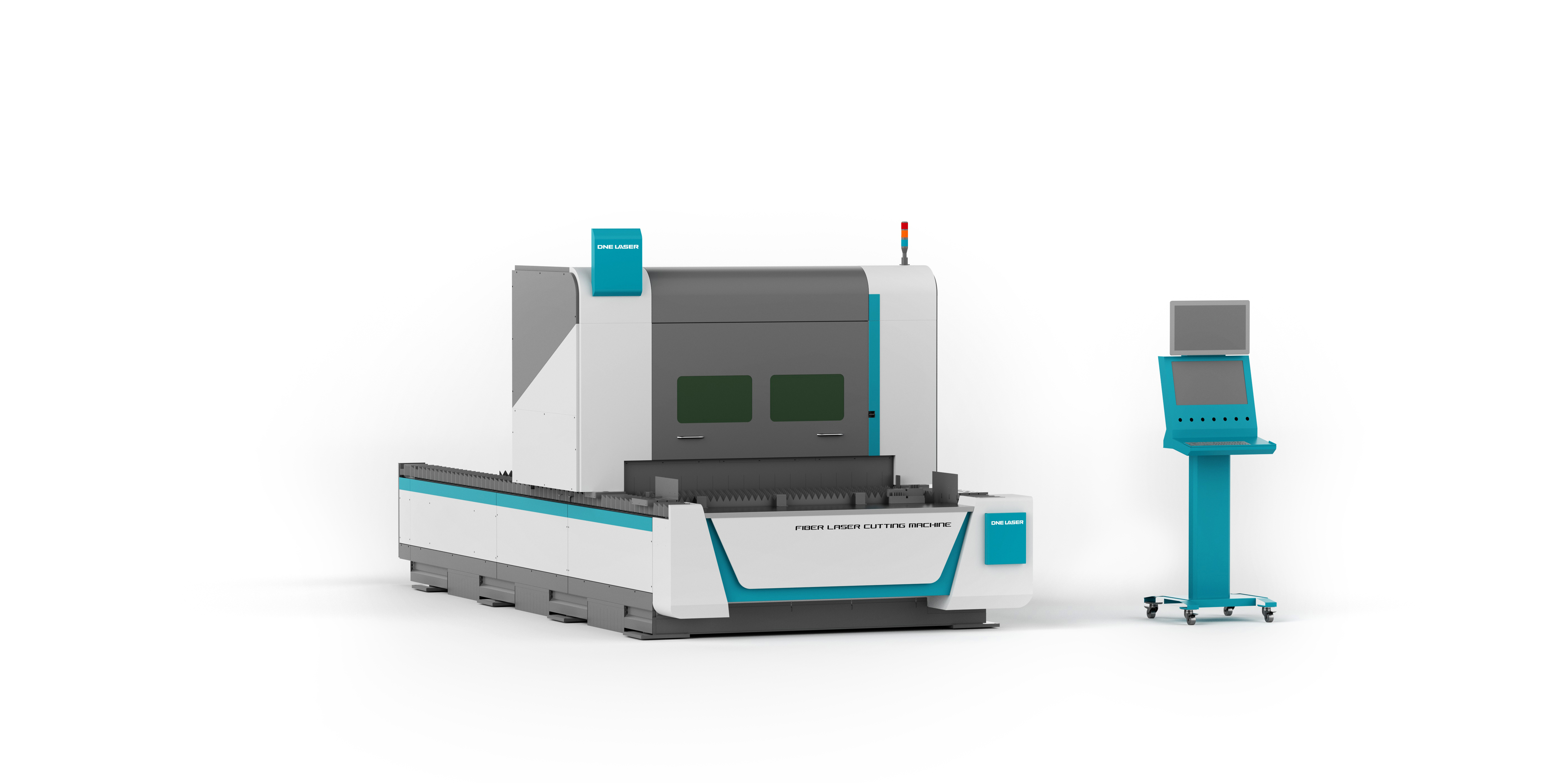
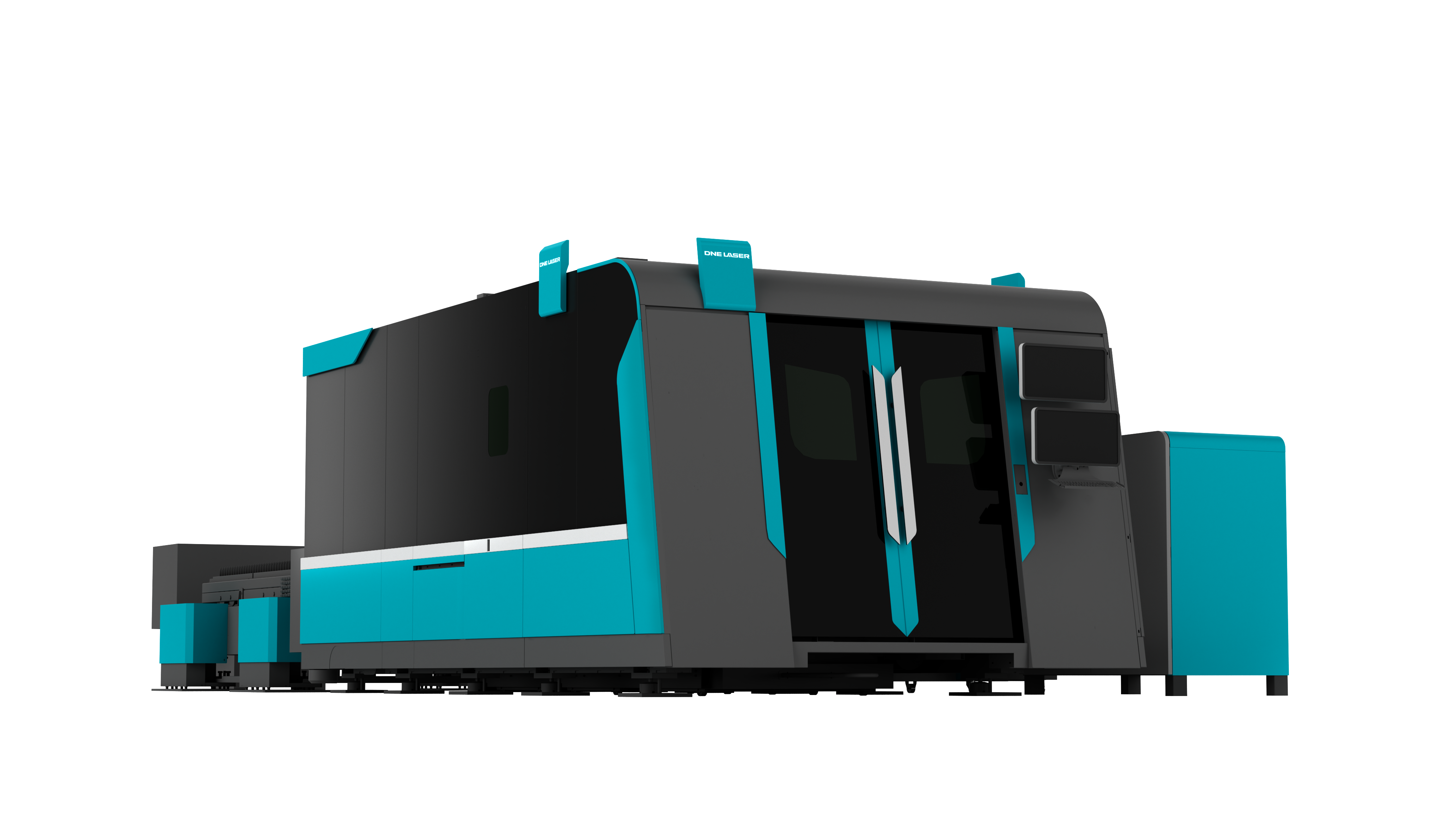
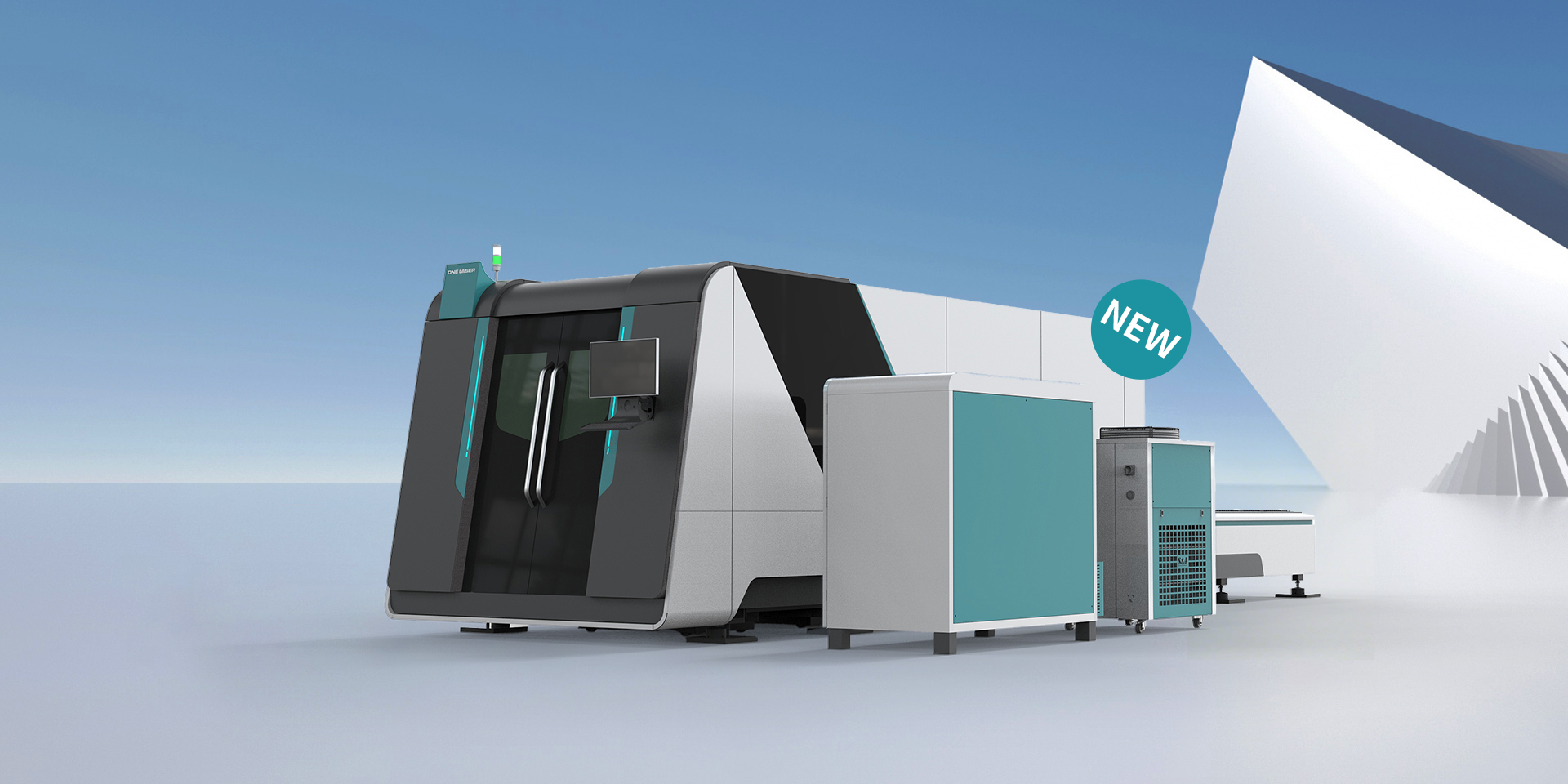
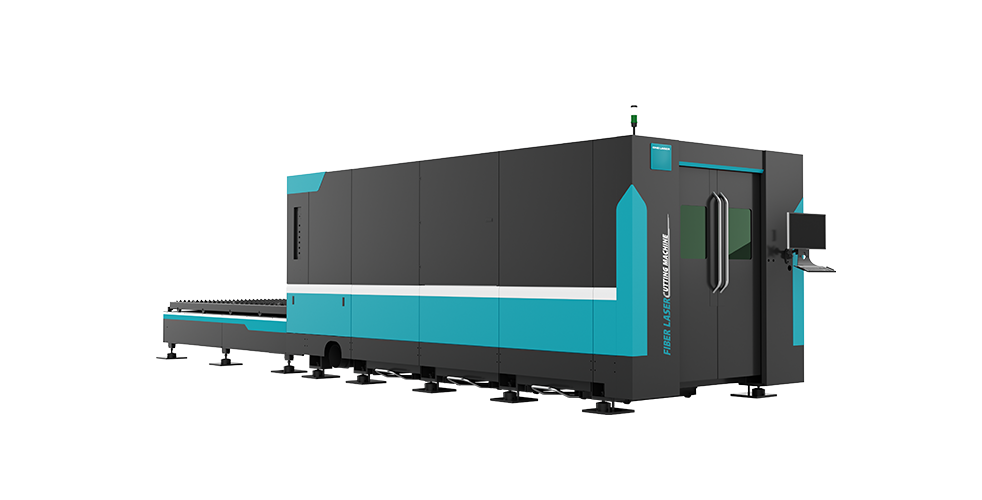
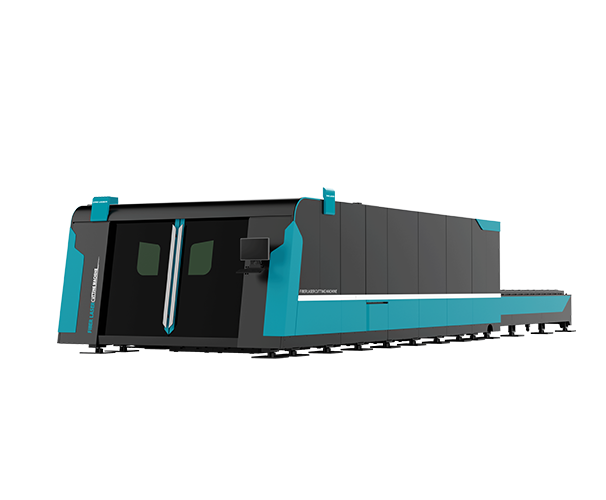
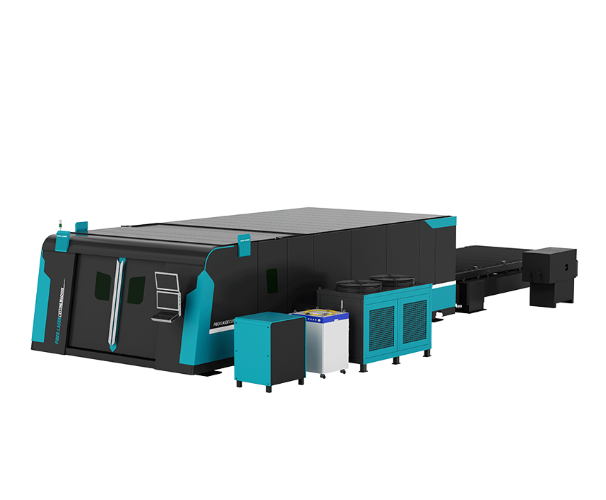
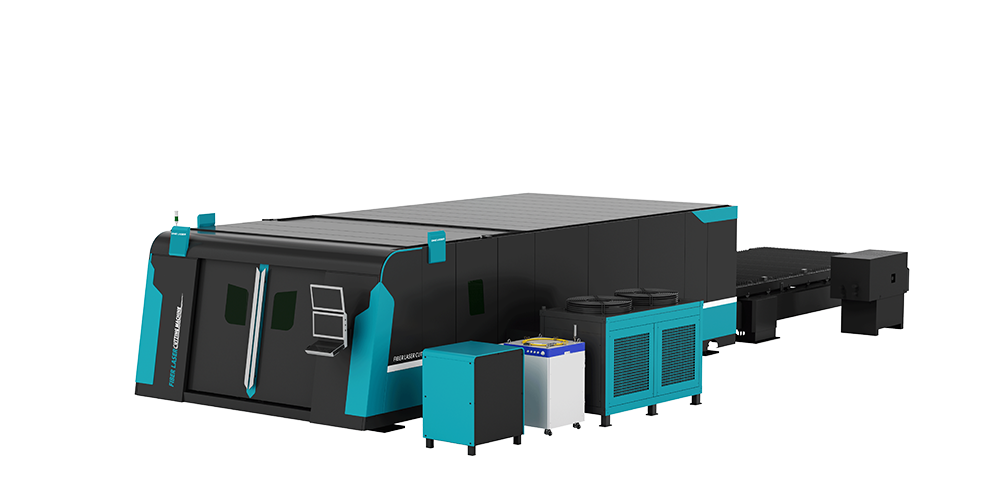
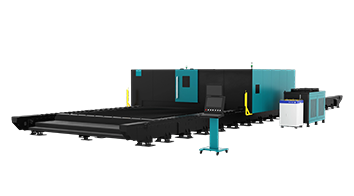
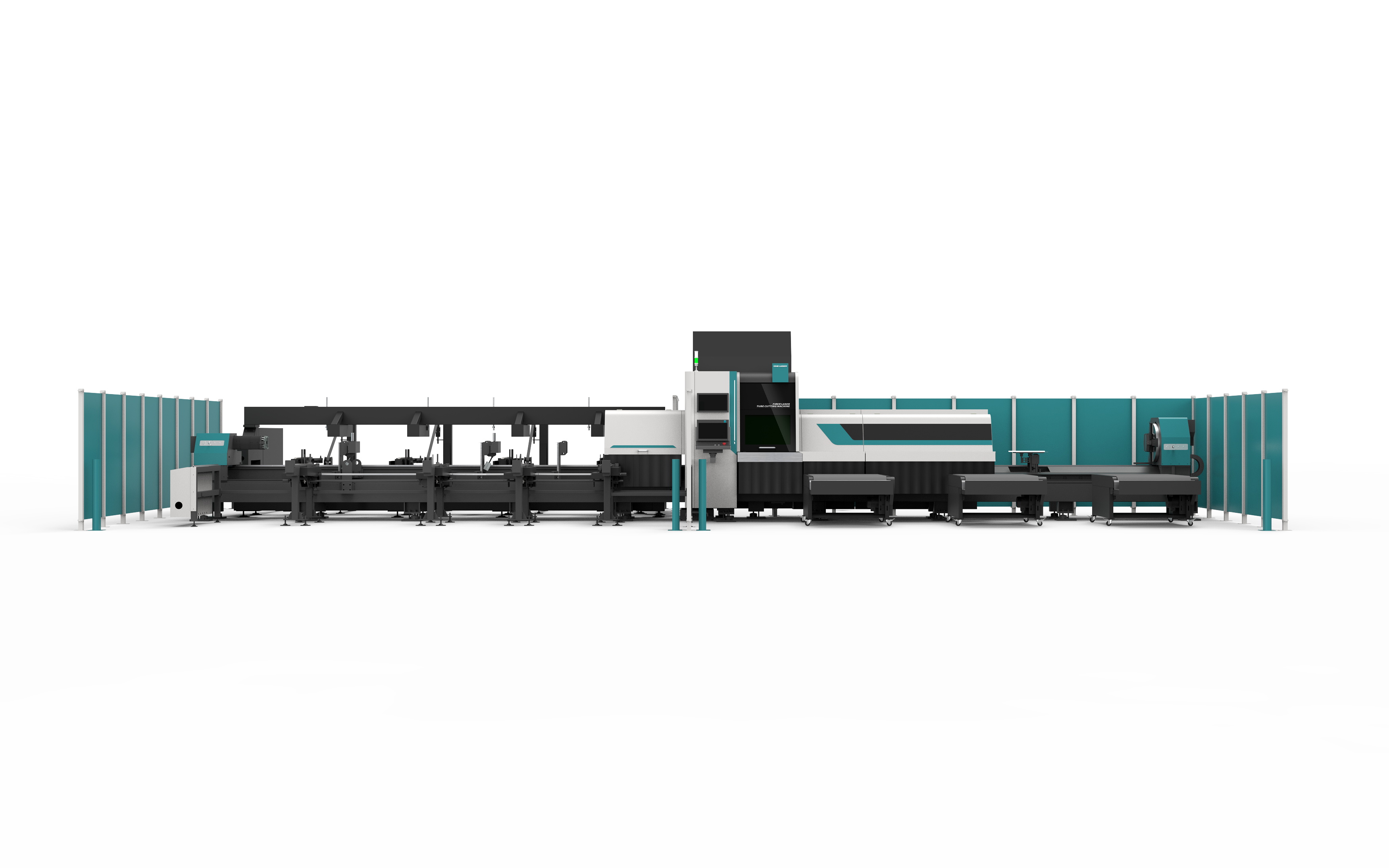
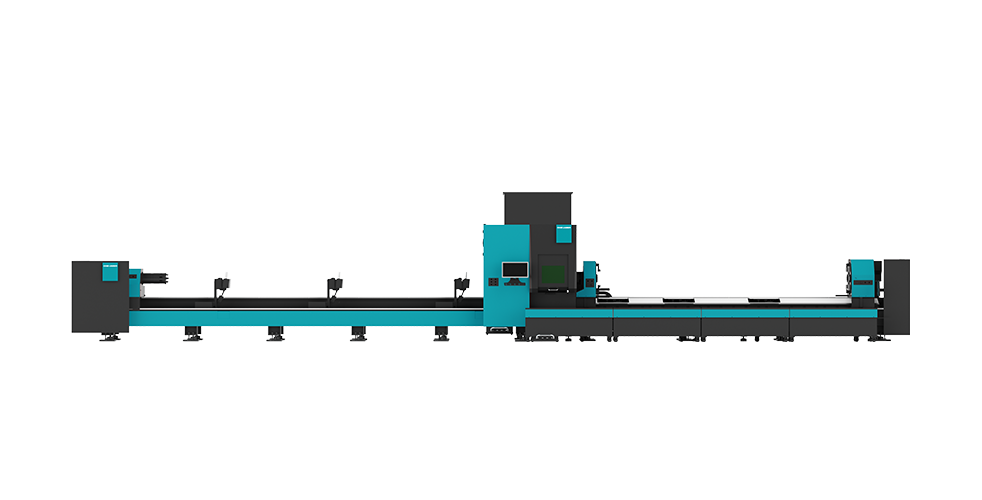
Fiber laser cutting machines are known for their high energy efficiency and ability to generate extremely high temperatures while maintaining precise control. With power ranging from 500 watts to 50,000 watts, they can heat materials to temperatures exceeding 5550°C, especially when cutting high-melting-point metals such as tungsten. These cutters use fiber optic cables to amplify the laser beam, resulting in more efficient energy transfer compared to gas systems. This high energy concentration enables faster cutting speeds and narrower kerf widths, making fiber lasers ideal for applications requiring fine detail and minimal thermal deformation. Fiber laser cutting technology excels at cutting metals such as steel, aluminum, and titanium, and its speed and power make it an essential tool in heavy manufacturing and metalworking industries. Furthermore, its low heat spread makes it suitable for processing thin metal sheets and materials requiring extremely high precision.
Diode Laser Cutting Machines
Diode laser cutting machines are typically used for low-power tasks such as engraving and cutting lightweight materials. These machines have a power range of 10 to 100 watts, while amateur models have a power of approximately 5 to 20 watts. These models have lower heat output, with material temperatures generally between 150°C and 500°C, sufficient for cutting thin materials such as paper, plastic, and cardboard. Due to their limited heat capacity, diode lasers are less effective at processing thick materials or metals. However, they are ideal for processing delicate materials, as excessively high temperatures can damage them.
Diode lasers are commonly used in manufacturing processes requiring precise marking or optical cutting, small business operations, and educational environments. Despite their lower heat output, diode lasers remain a reliable choice for non-industrial applications due to their low cost, simple structure, and suitability for processing thin, heat-sensitive materials.
Nd:YAG Laser Cutting Machines
Nd:YAG laser cutting machines, particularly those using Nd:YAG (neodymium-doped yttrium aluminum garnet) lasers, are renowned for their precision and ability to cut hard materials with high heat requirements. These machines typically range in power from 100 to 500 watts, making them suitable for high-precision cutting tasks requiring clean edges and minimal heat-affected zones. The heat output of Nd:YAG lasers can reach the melting and vaporization points of many metals. For example, they can cut materials such as stainless steel and titanium, reaching temperatures as high as 2870°C (iron) and approximately 3290°C (titanium). This makes them particularly useful in industries requiring fine machining, such as aerospace, medical device manufacturing, and high-end jewelry production. Nd:YAG lasers focus energy into a concentrated beam with minimal heat diffusion, thus improving cutting efficiency and reducing thermal deformation.