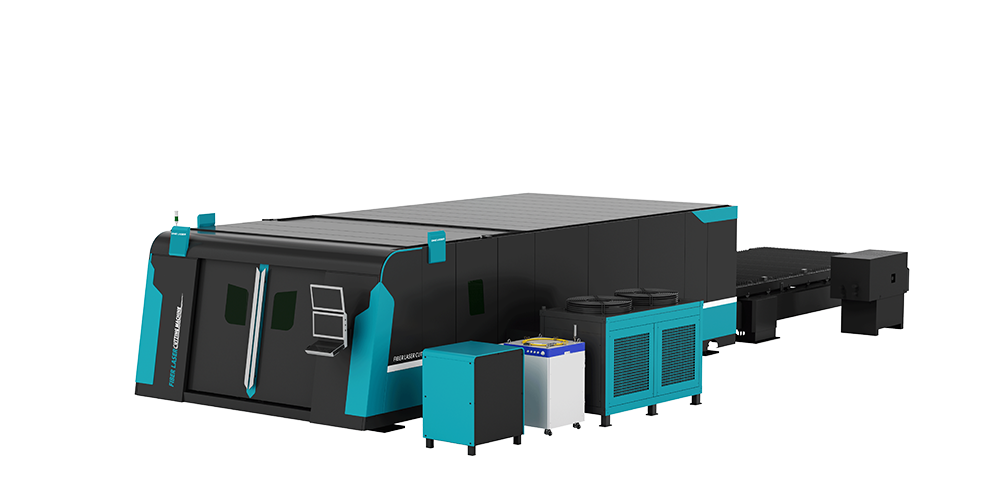
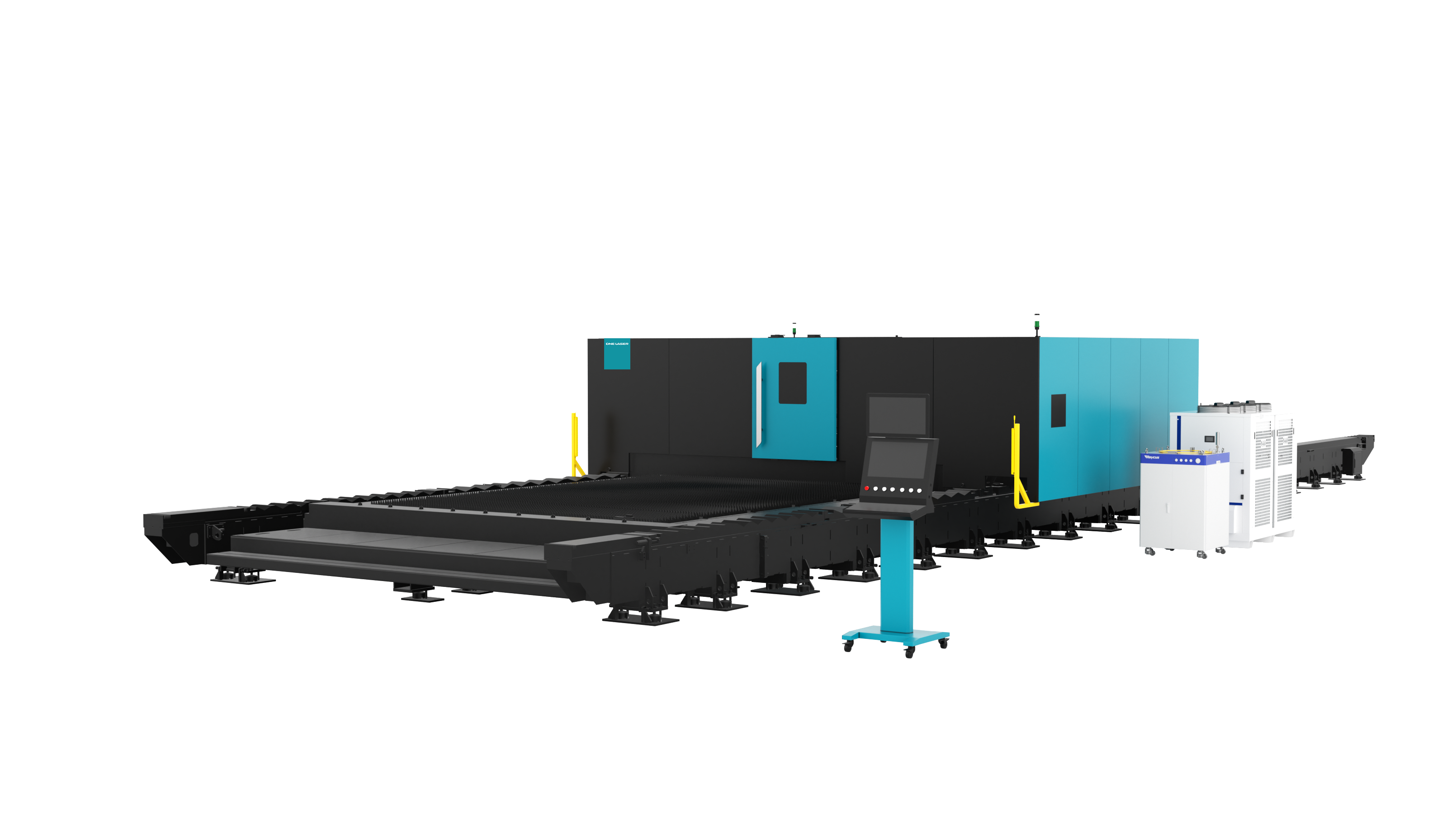
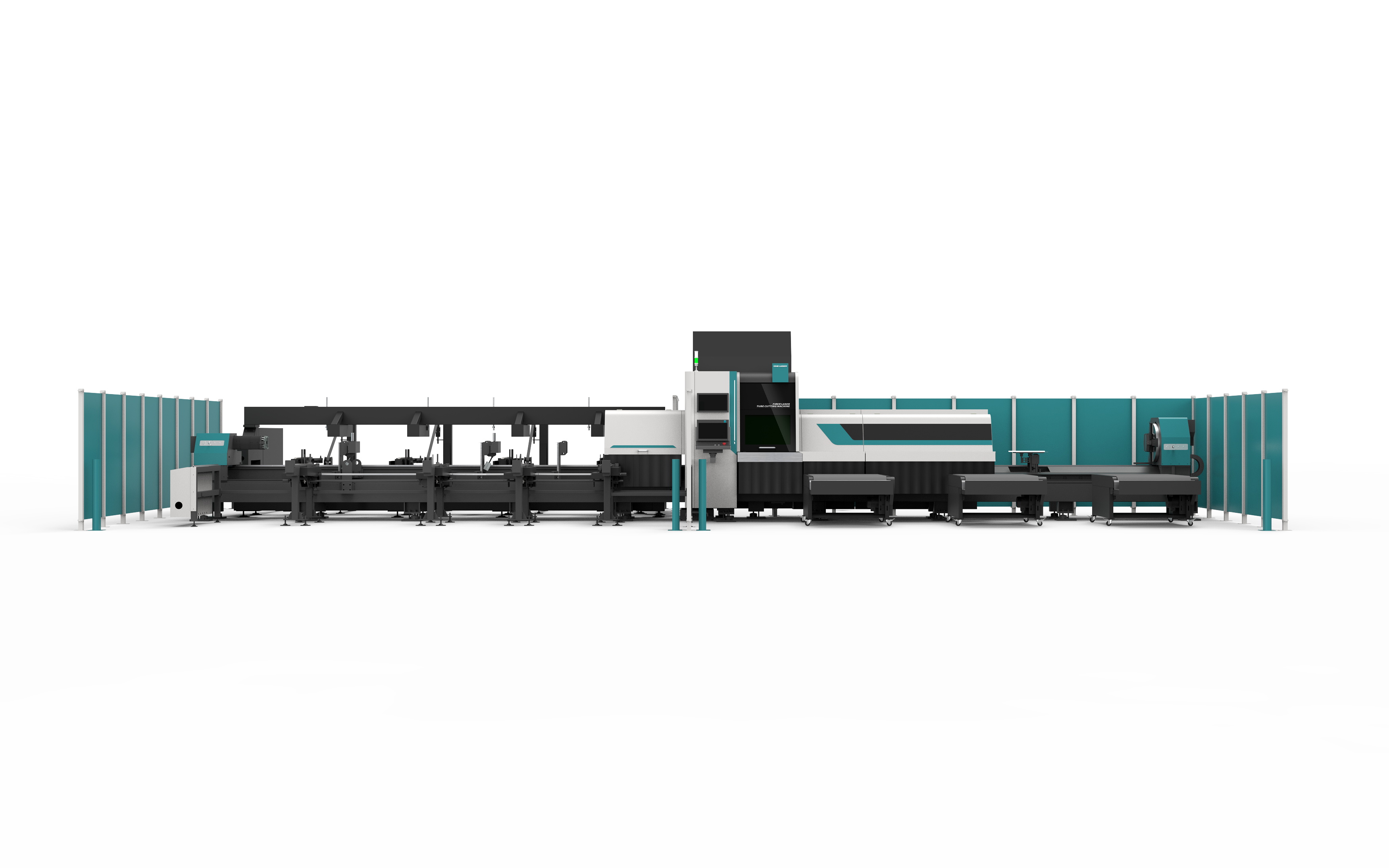
At a material thickness of 1 mm, the fiber laser cutting speed is 6 times faster than a CO2 laser of equivalent power—this is the most significant speed difference across the entire thickness range. The speed difference gradually decreases as the thickness increases to 5 mm. When cutting 5 mm thick low-carbon steel using a 6 kW laser, both fiber and CO2 lasers achieve the same cutting speed of 4.2 m/min. This speed advantage only applies to thin materials and is not universally applicable.
According to data published by Esprit Automation, the benchmark cutting speeds of a 6 kW laser at three representative thicknesses are as follows:
Material Thickness 6 kW Fiber Speed 6 kW CO2 Speed Notes
Stainless Steel 5 mm 6.0 m/min 2.7 m/min Fiber speed is 2.2 times faster than ordinary fiber
Low Carbon Steel 5 mm 4.2 m/min 4.2 m/min Equal
Stainless Steel 15 mm 0.9 m/min 0.75 m/min Fiber slightly faster
Stainless Steel 15 mm — — High Definition Plasma: 1.23 m/min (faster than both)
SA Lasers reports maximum cutting speeds: up to 100 inches per minute for fiber lasers; up to 50 inches per minute for CO2 lasers. High-power fiber lasers exceeding 6 kW can achieve even faster cutting speeds across all thickness ranges. For low-carbon steel thicker than 10 mm, high-definition plasma cutting speeds can reach 1.23 meters per minute, exceeding two 6 kW lasers. Therefore, at standard power levels, plasma cutting is the recommended technology for this thickness range.
With advancements in fiber laser technology, manufacturers report that in standard production processes, fiber lasers offer three to four times the throughput of CO2 lasers—a figure consistent with a 3-5 times speed advantage measured on thin metal sheets. It's worth noting that while CO2 lasers maintain a speed advantage in straight-line cutting on certain thick sections, fiber lasers experience a significant speed reduction when cutting complex shapes and fine features. The speed data above applies to straight-line cutting; for complex contours, the throughput of fiber lasers in dual-axis and moving stage configurations drops significantly compared to CO2 lasers.
Is fiber laser cutting always faster than CO2 laser cutting?
No—fiber laser cutting is not always faster than CO2 laser cutting: the speed advantage depends on the material and thickness.
On thin materials (≤5 mm) and medium-thickness stainless steel, fiber lasers are faster. However, on 5 mm thick low-carbon steel, both technologies achieve a processing speed of 4.2 m/min at 6 kW power, showing no significant difference. At the same power, for materials thicker than 5-8 mm, CO2 laser processing speeds can rival or even surpass those of fiber optics. For straight paths in thick materials, CO2 laser processing speeds are comparable to or better than fiber optics. For low-carbon steel thicker than 10 mm, high-density plasma lasers outperform both lasers within the 6 kW power range. High-power fiber lasers above 6 kW gradually narrow this gap across all thicknesses, and when the power exceeds 10 kW, no CO2 laser configuration can match the processing speed of fiber optics. The key point is that the processing speed advantage of fiber optics is most significant on thin metals, gradually diminishing as the thickness increases to 5 mm and above.