Search
Hot search keywords:
series DNE Mechanical C-Bend
Home·News·Company News

What Is a Press Brake?

Published:2026-01-23
Browse:
Share:

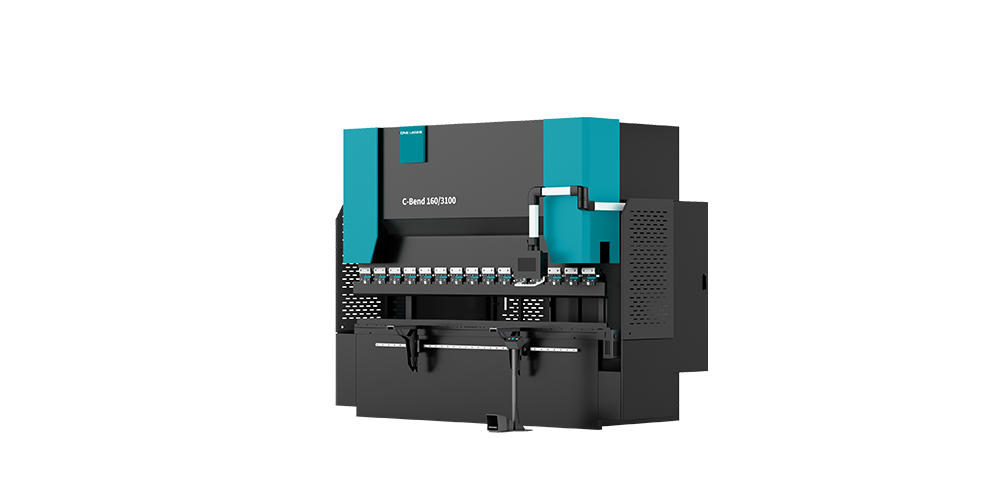
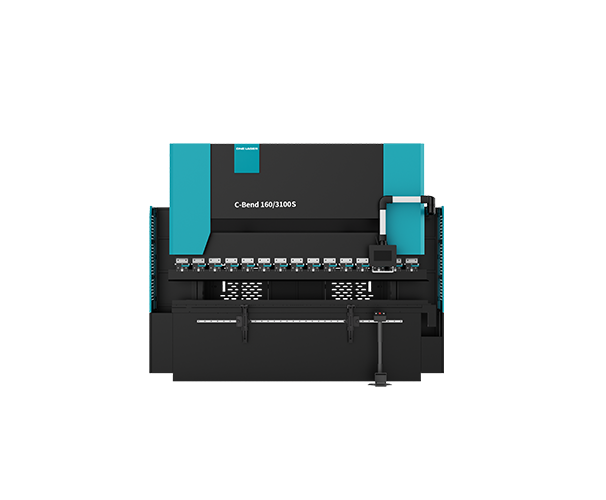
A press brake is a fundamental machine tool in metal fabrication, designed to bend sheet metal into precise angles and shapes by applying force through a punch (upper tool) and die (lower tool). As a cornerstone of modern manufacturing, it transforms flat metal sheets into components used in industries ranging from automotive and aerospace to construction and electronics, enabling the creation of everything from car chassis parts to architectural cladding.


Core Mechanics: How Press Brakes Work

The bending process begins when a metal sheet is positioned between the punch and die. The press brake’s ram (the moving part) descends, pressing the punch into the material, which conforms to the die’s shape. The force applied determines the bend’s angle and depth, with thicker materials requiring higher tonnage (pressure capacity).


Press brakes are categorized by their power systems:

  1. Mechanical Press Brakes: Use a flywheel-driven crank mechanism to generate force. They are fast but less precise, suitable for high-volume production of simple bends.

 2. Hydraulic Press Brakes: Utilize hydraulic fluid to move the ram, offering smooth, controlled motion. They excel in heavy-duty applications (e.g., bending thick steel plates) and allow adjustable pressure and speed.

3. Electric Servo Press Brakes: Represent the latest innovation, using servo motors for direct ram control. These machines combine high precision (±0.01mm repeatability), energy efficiency (30% less power than hydraulic models), and quiet operation, making them ideal for complex parts like medical device enclosures.


Safety First: Protecting Operators in High-Risk Environments


Press brakes pose significant hazards due to their powerful moving parts. Modern machines integrate advanced safety features:

 • Light Curtains: Infrared beams create an invisible barrier; if interrupted, the machine stops instantly to prevent hand injuries.


 • Two-Hand Controls: Require simultaneous button presses to activate the ram, ensuring operators keep hands clear.


  • Rear Guard Systems: Automatically adjust the backstop (material positioning guide) to prevent manual adjustments near the bending zone.

• Hydraulic Lockouts: Disable the ram during maintenance to avoid accidental activation.

Applications: From Simple Brackets to Complex Structures

Press brakes are versatile enough to handle diverse tasks:

• Automotive: Manufacturing exhaust systems, door hinges, and chassis components.

• Aerospace: Forming lightweight aluminum or titanium parts for aircraft fuselages.

 • Construction: Creating steel beams, stair treads, and decorative metal facades.

• Electronics: Producing precise enclosures for servers, laptops, and industrial controllers.

With CNC (Computer Numerical Control) technology, press brakes can now perform multi-step bends, angle corrections, and automatic tool changes, reducing setup time and human error.

The Future of Bending: Smart and Sustainable

Today’s press brakes are evolving into "smart" machines equipped with IoT sensors to monitor performance, predict maintenance needs, and optimize energy use. As industries demand lighter, stronger materials (e.g., carbon fiber composites), press brakes will continue to adapt, ensuring they remain indispensable in the era of Industry 4.0.

In essence, a press brake is not just a machine—it’s a precision instrument that shapes the physical world, one bend at a time.

niu_icon01.png
Request A Quote
Name*
E-mail*
Phone or WhatsApp*
Country*
City
Company
Cutting Material
Machine Type
Message
Submit Now
Thank you!
Thank you for your attention. We will contact you as soon as possible.
Confirm
Confirm
Product List
Submit information
Submit Now