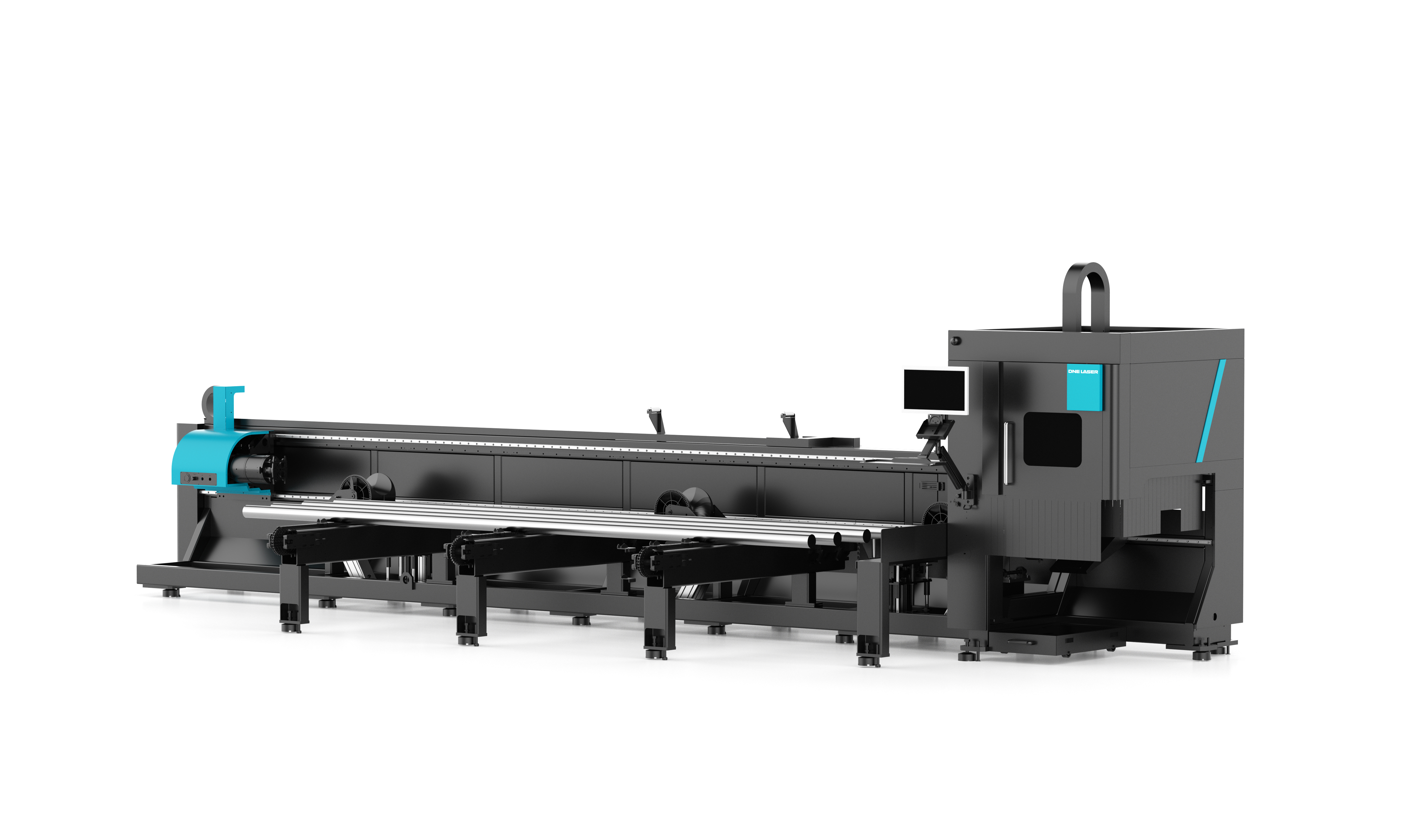
In the modern era, automatic devices have become ubiquitous, transforming industries, simplifying daily tasks, and reshaping how humans interact with technology. From household appliances to industrial machinery, these devices operate with minimal human intervention, relying on programmed instructions or sensors to perform tasks efficiently. But what exactly defines an automatic device, and how have they evolved to dominate contemporary life?
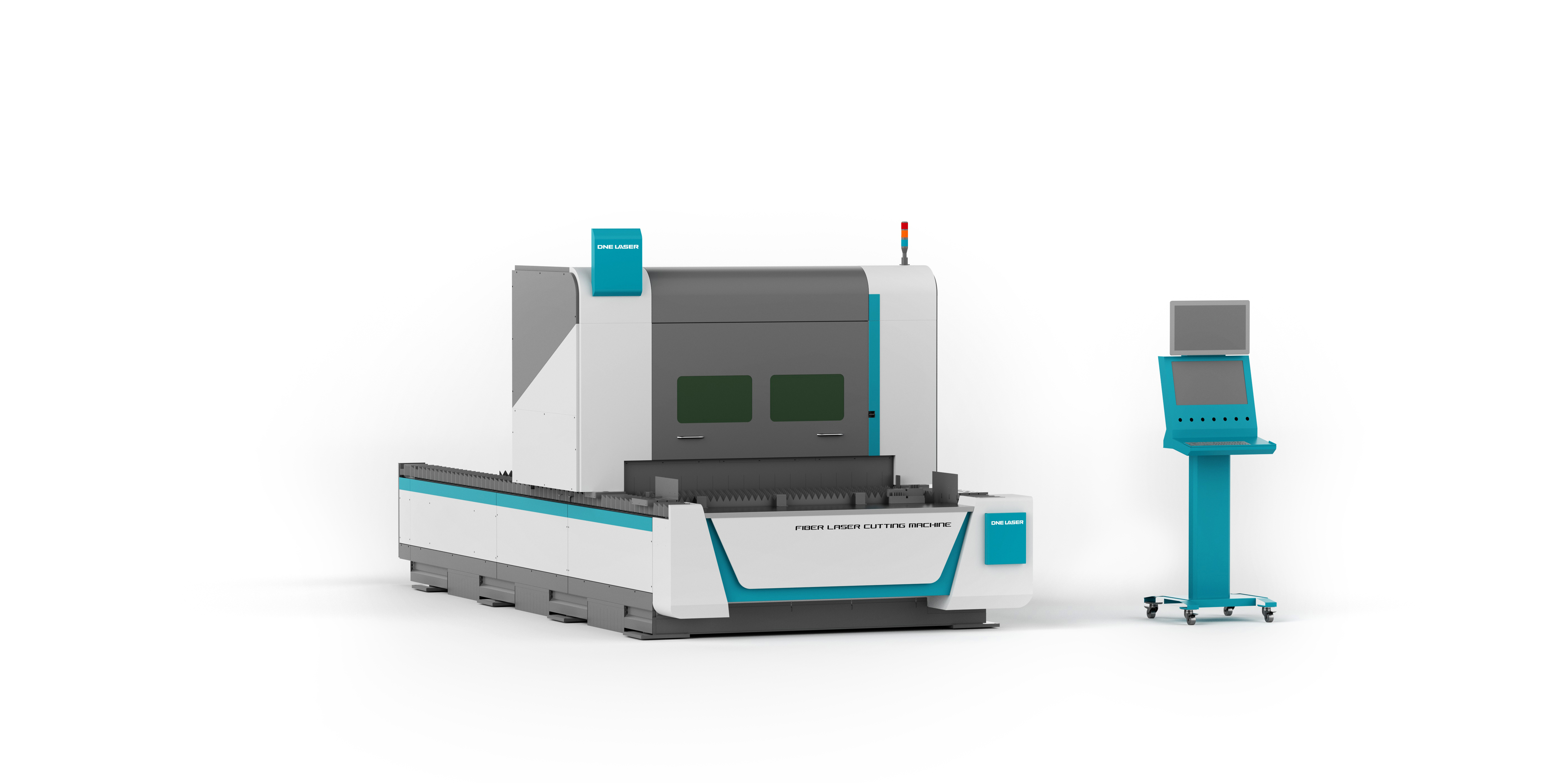
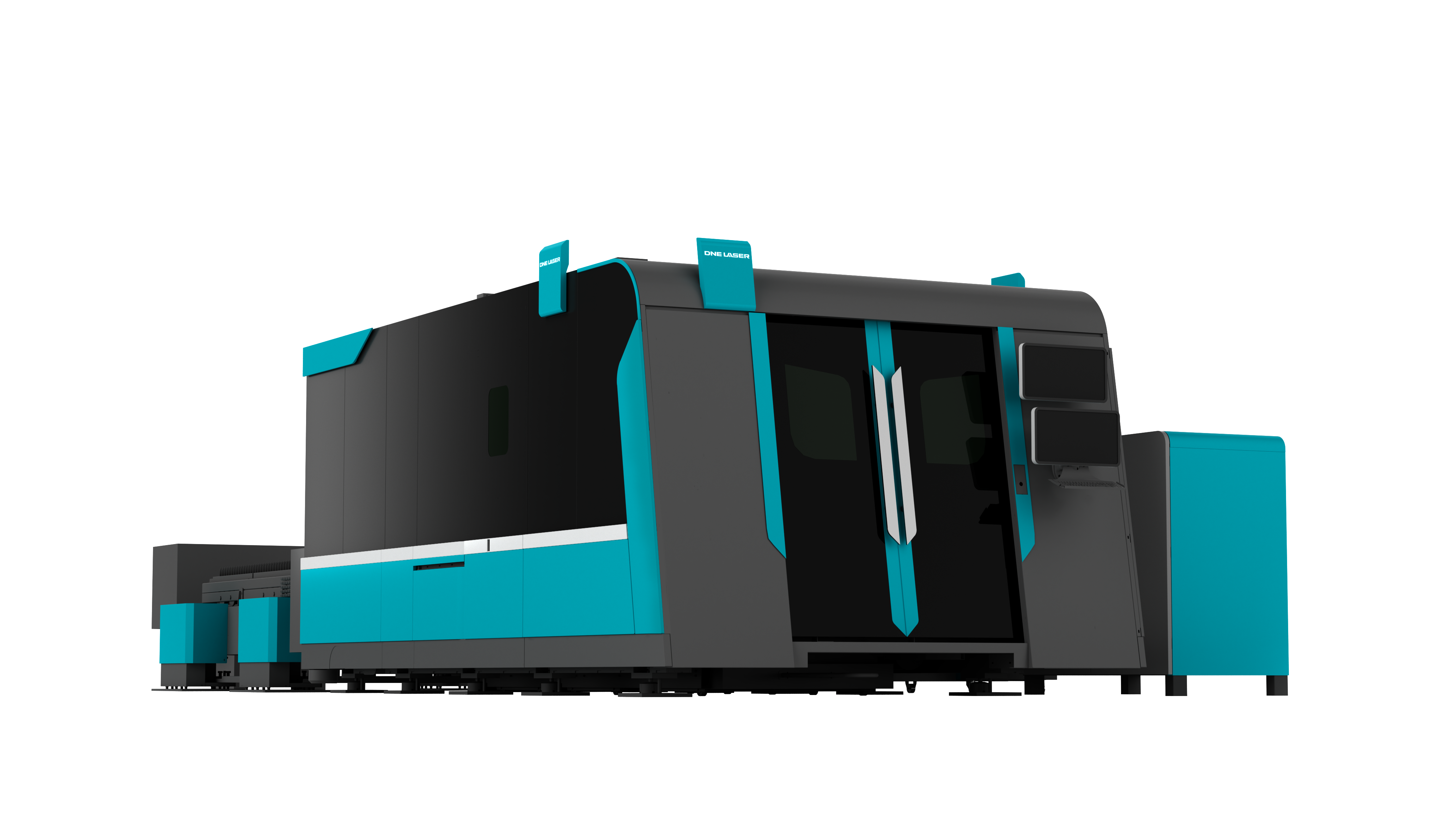
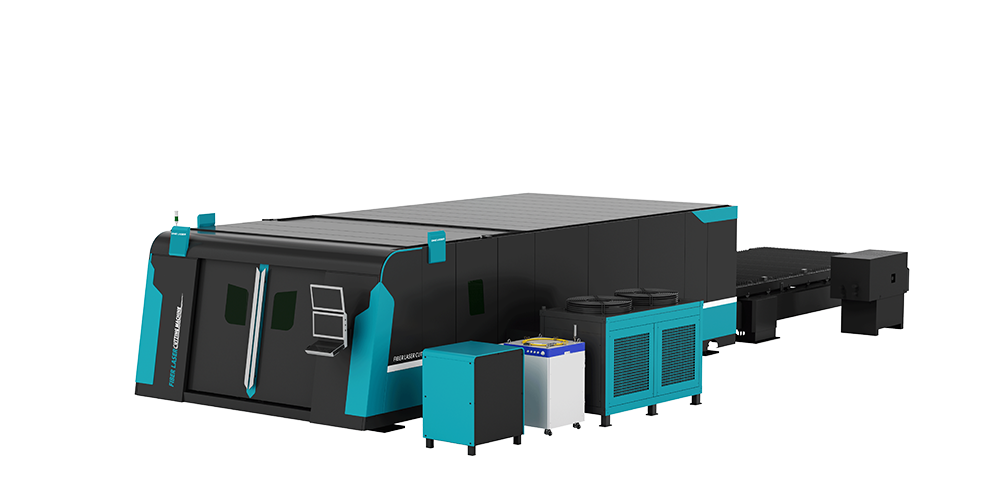
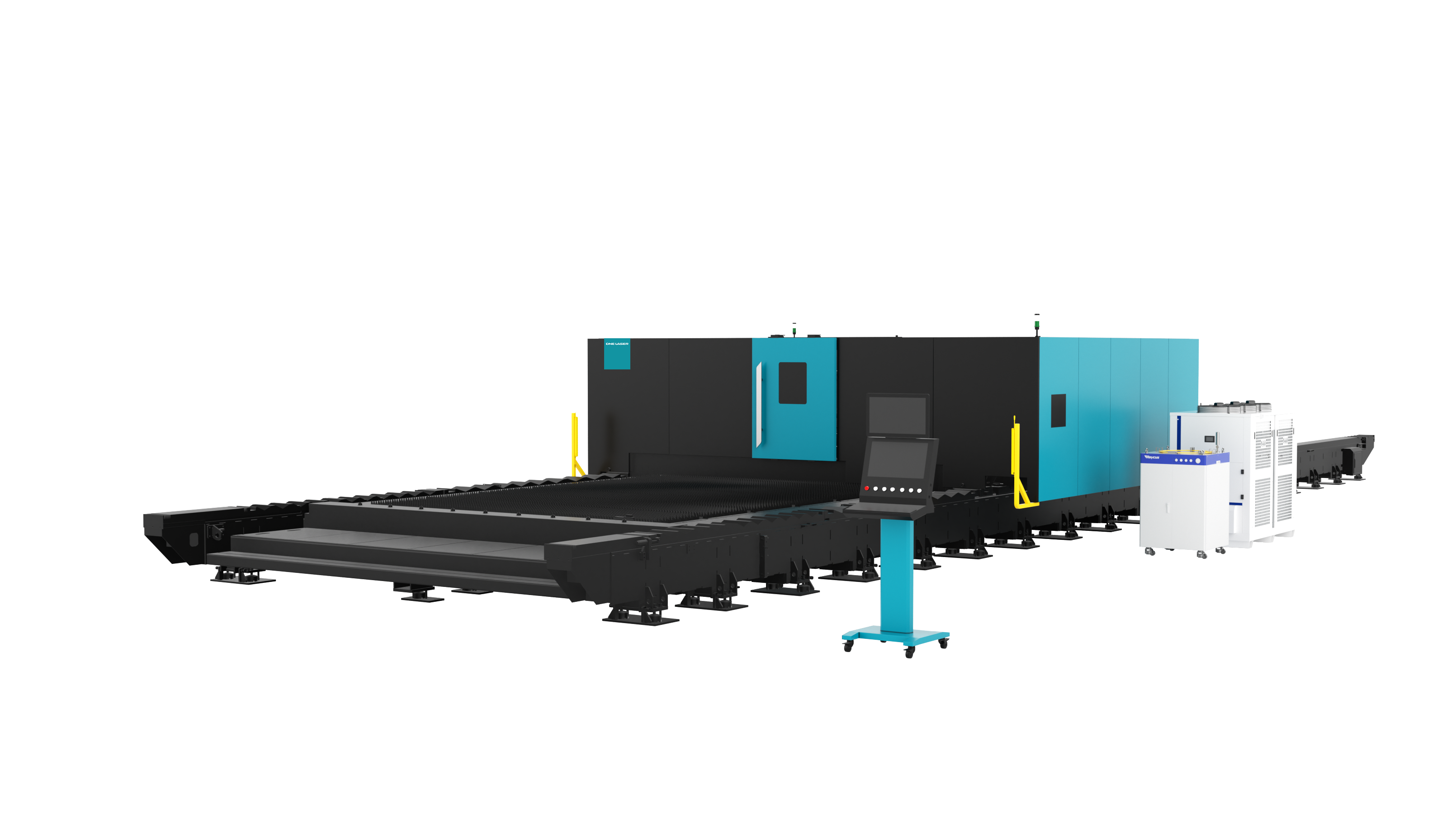
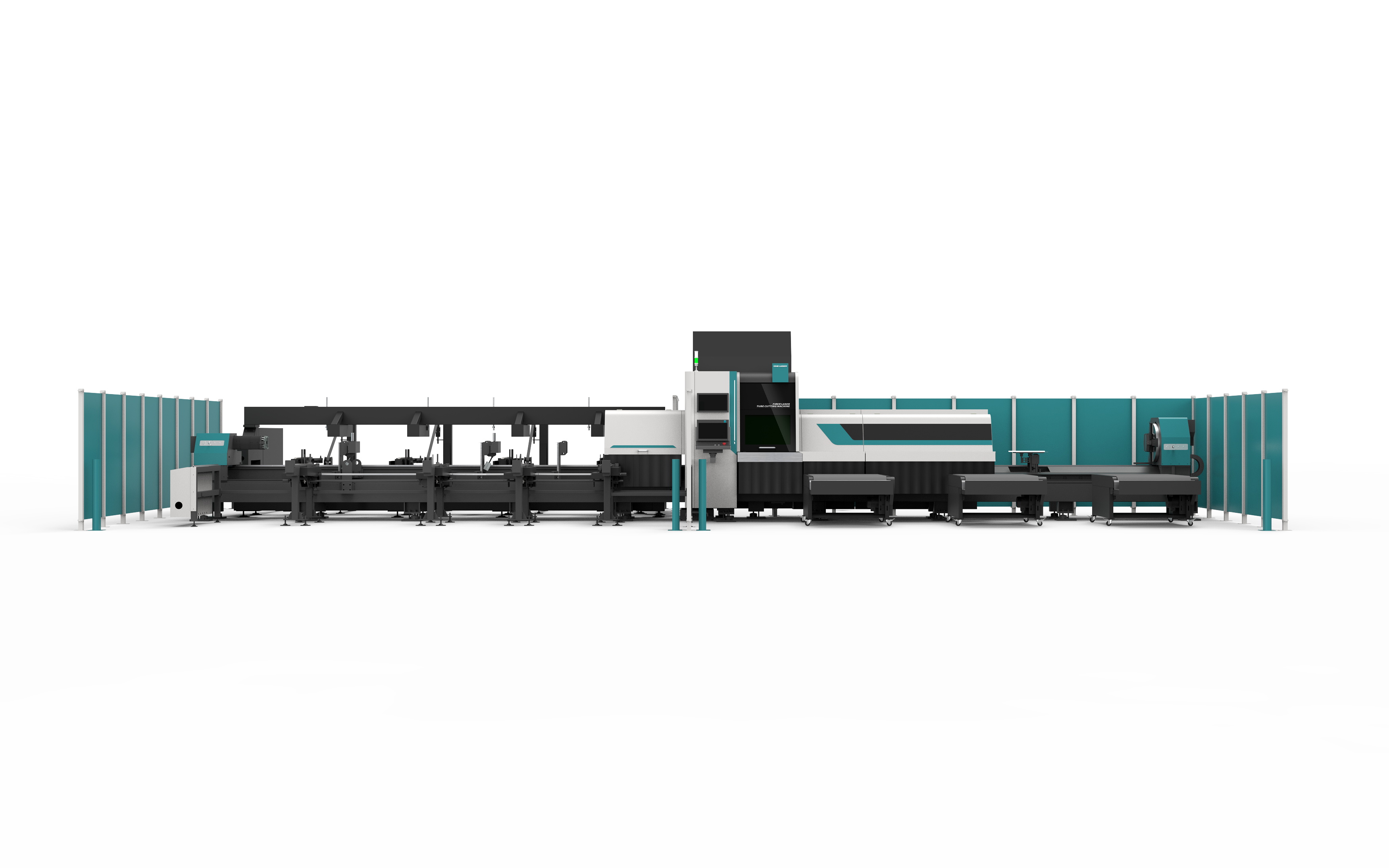
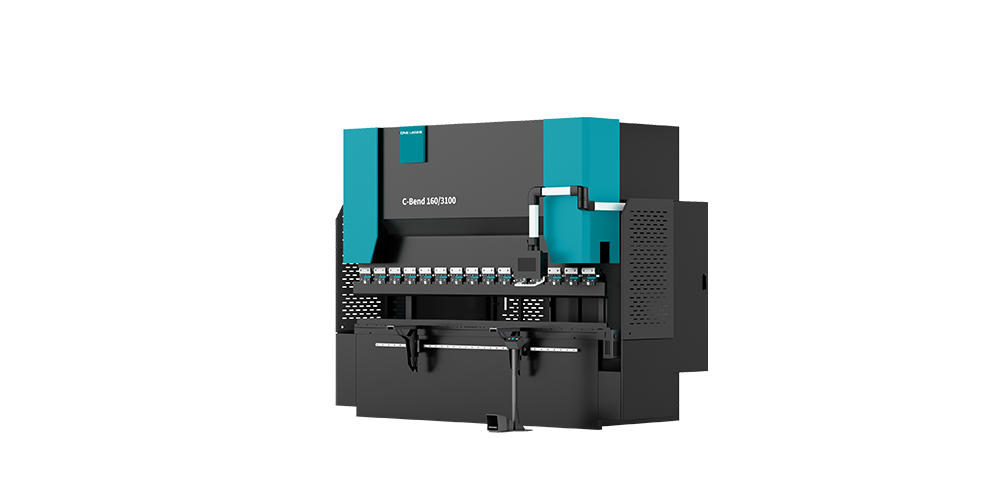
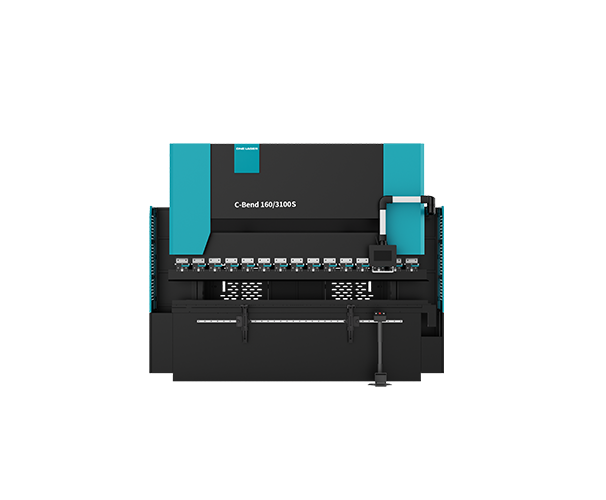
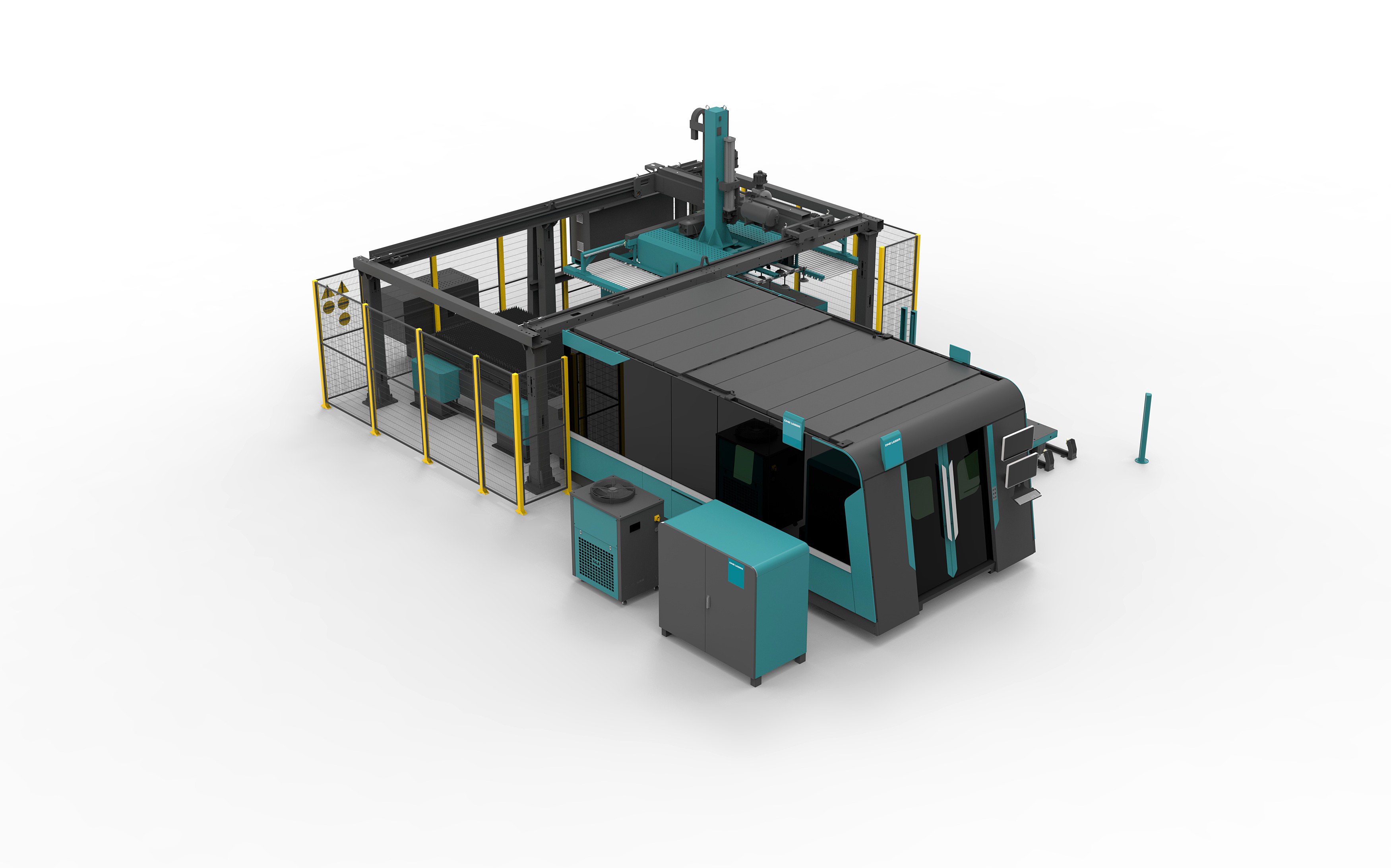
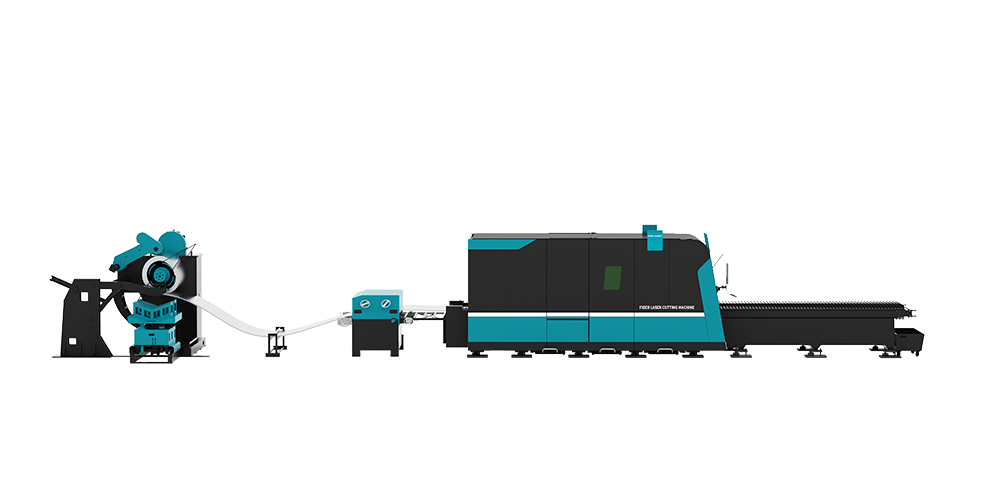
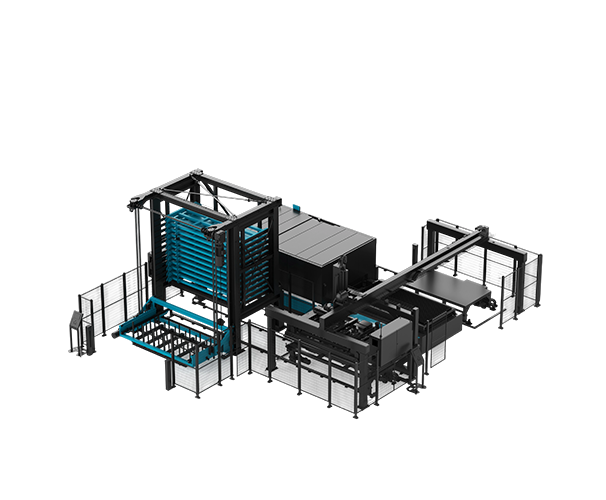
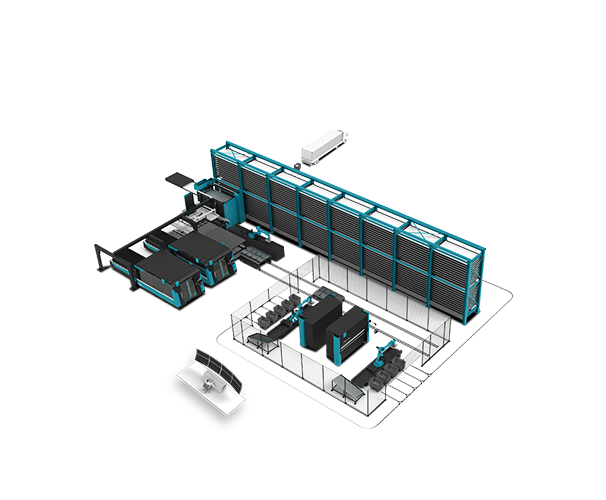
An automatic device is a machine or system designed to function independently once activated, often using sensors, microprocessors, or pre-set algorithms to control its actions. Unlike manual tools, which require constant human input, automatic devices leverage technology to automate processes, reducing errors and saving time. Their core purpose is to enhance productivity, safety, and convenience by handling repetitive, complex, or hazardous tasks. For example, a washing machine adjusts water levels and spin cycles based on load size, while a thermostat maintains room temperature by analyzing environmental data. These devices exemplify how automation bridges human needs with technological precision.
The evolution of automatic devices traces back to ancient innovations like water clocks and early mechanical looms, but their modern form emerged during the Industrial Revolution. The 19th century saw the rise of programmable looms and steam engines, which laid the groundwork for automated manufacturing. The 20th century accelerated this progress with the invention of computers and microchips, enabling devices to process information and make decisions. Today, automatic devices span fields such as healthcare (robotic surgery systems), transportation (self-driving cars), and agriculture (autonomous tractors). Advancements in artificial intelligence (AI) and the Internet of Things (IoT) have further expanded their capabilities, allowing devices to learn from data and communicate with other systems.
The benefits of automatic devices are profound. In industries, they slash production costs and improve consistency by minimizing human error. In daily life, they free individuals from mundane chores—think of vacuum robots or smart home systems that adjust lighting based on occupancy. Safety is another critical advantage; automatic emergency brakes in vehicles or fire suppression systems in buildings operate faster than human reflexes, potentially saving lives. Moreover, automation drives innovation by redirecting human effort toward creative and strategic endeavors.
However, challenges persist. Over-reliance on automatic devices can lead to skill degradation, as seen in navigation apps reducing human spatial awareness. Job displacement is another concern, particularly in sectors like manufacturing, where machines replace repetitive roles. Ethical dilemmas also arise, such as accountability for errors in AI-driven systems. Additionally, technical failures or cyberattacks pose risks, underscoring the need for robust security measures.
In conclusion, automatic devices represent a fusion of engineering ingenuity and technological progress, redefining efficiency and convenience in the 21st century. While they offer immense potential, their adoption demands careful consideration of societal, ethical, and economic impacts. As automation continues to evolve, striking a balance between human oversight and machine autonomy will be key to harnessing its benefits while mitigating drawbacks. Ultimately, these devices are not just tools but catalysts for a future where technology and humanity coexist symbiotically.