Search
Hot search keywords:
series DNE Mechanical C-Bend
Home·News·Company News

The Comprehensive Processing Flow of Tube Laser Cutting

Published:2026-04-09
Browse:
Share:
Tube laser cutting has emerged as a revolutionary technology in modern metal manufacturing, offering unparalleled precision, efficiency, and flexibility for processing a wide range of tubular materials, from carbon steel and stainless steel to aluminum and alloy tubes. Unlike traditional cutting methods that rely on rigid molds or mechanical tools, this advanced process integrates optical, mechanical, and control technologies to achieve complex three-dimensional (3D)加工 with minimal human intervention. A thorough understanding of its systematic processing flow is essential for ensuring optimal quality, maximizing material utilization, and streamlining production efficiency.

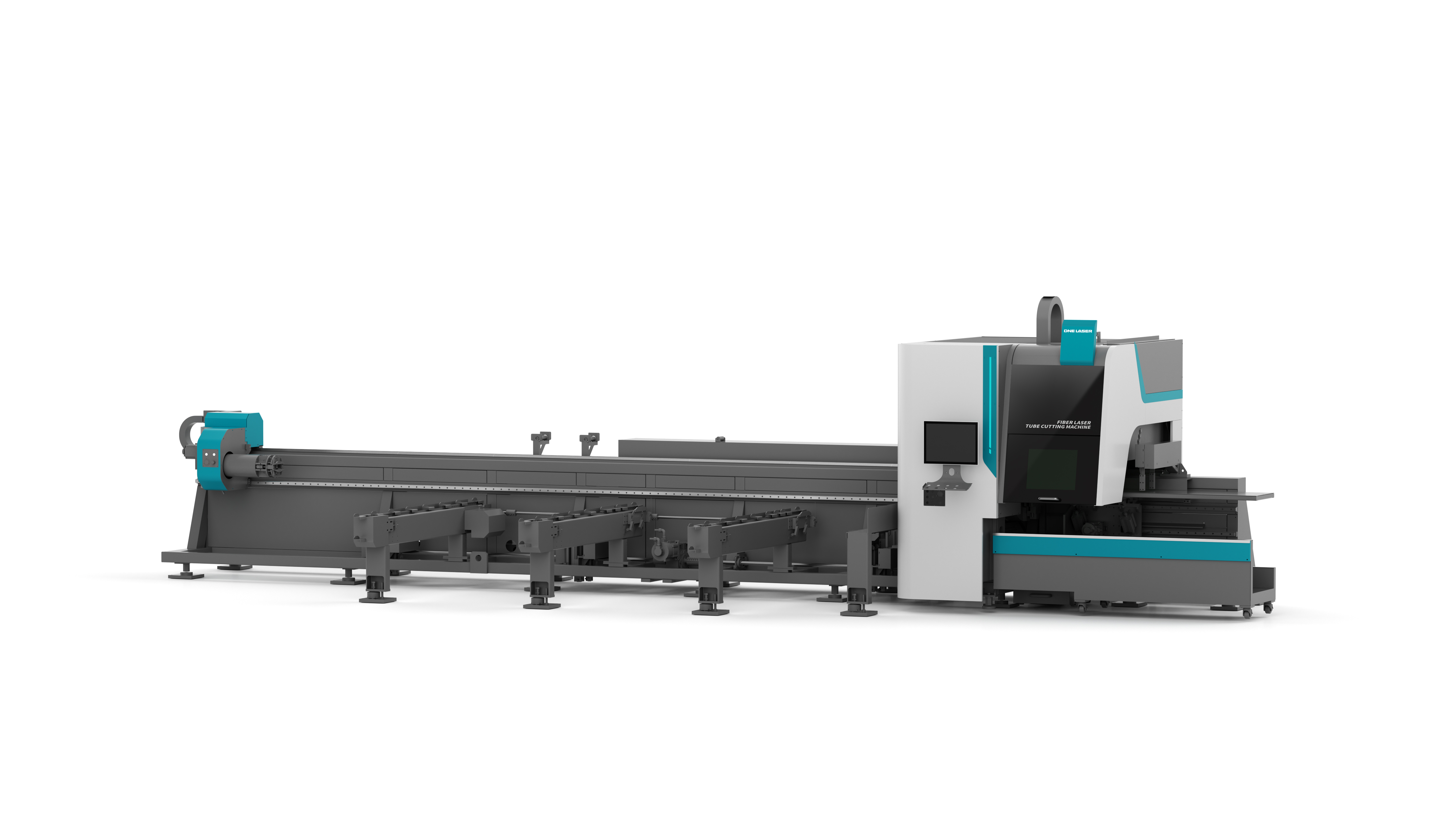
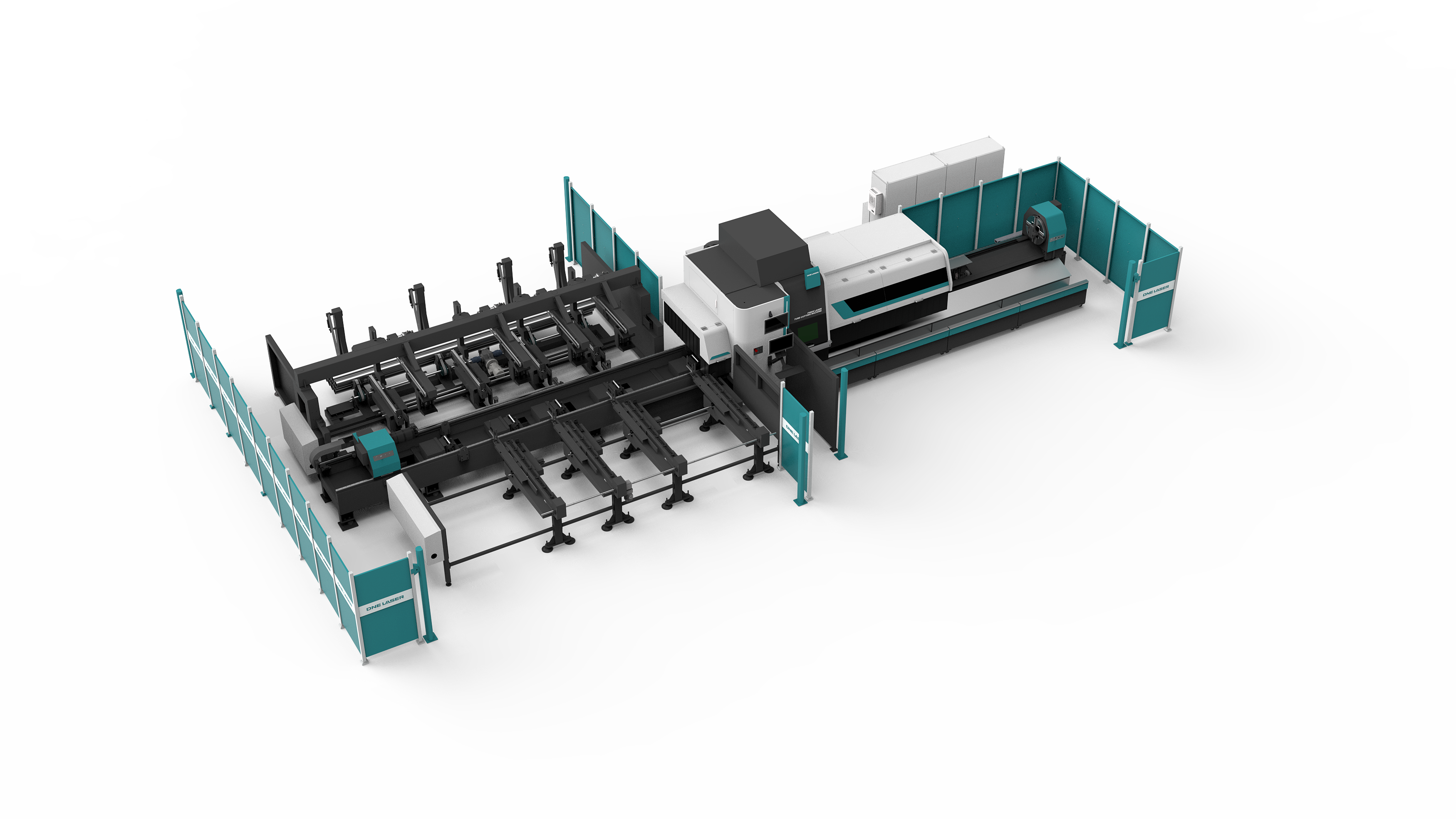
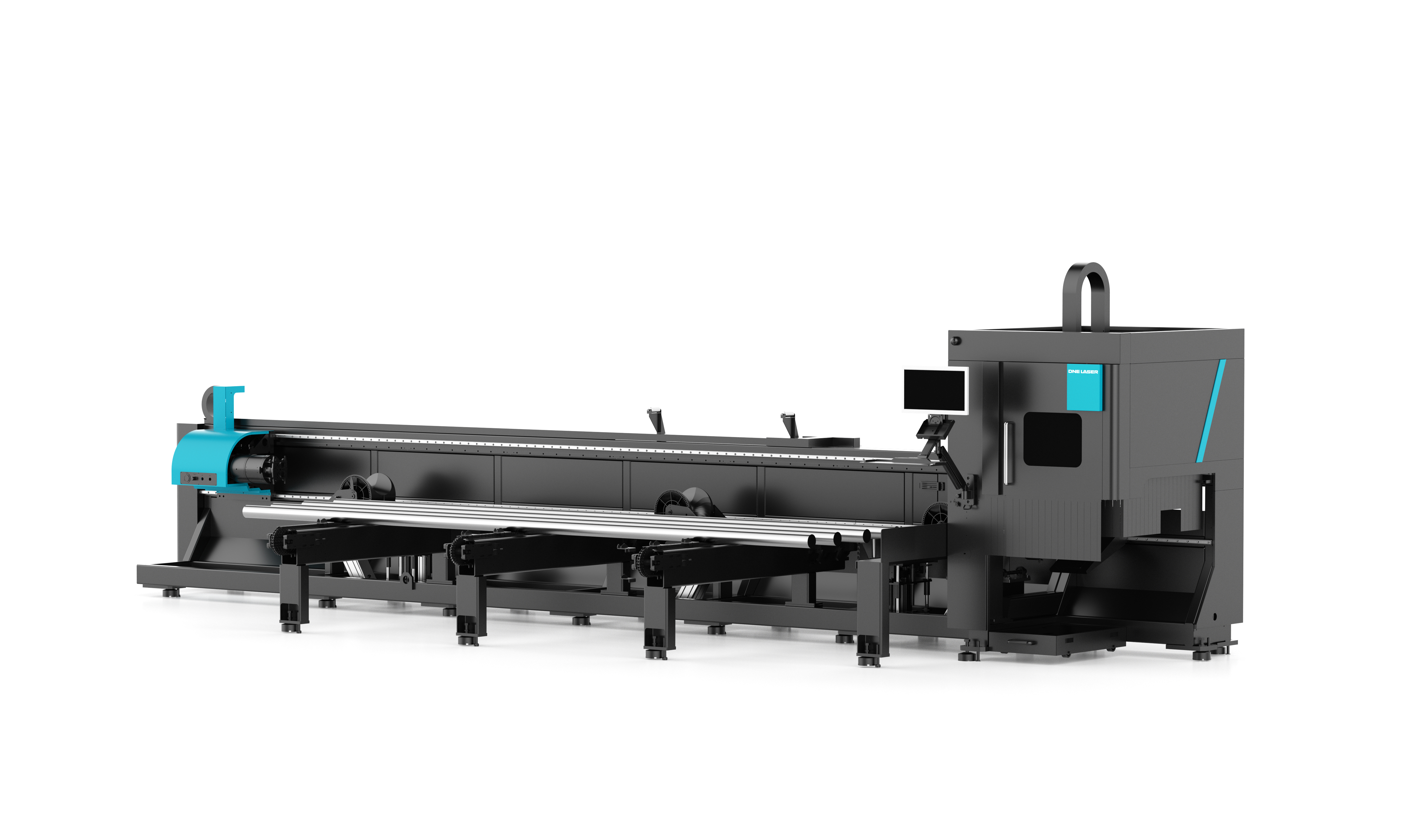
The processing flow begins with Material Preparation and Loading, the foundational step that sets the stage for the entire operation. First, operators inspect the raw tubes for surface defects, dimensional inconsistencies, or contamination that could affect cutting quality. The tubes are then loaded onto the laser cutting machine, typically via an automatic loading system for high-volume production or manually for small-batch jobs. The machine’s chucking system securely clamps the tube, ensuring stable positioning during rotation and cutting. Precise alignment is critical here, as any misalignment can lead to inaccurate cuts or even damage to the machine’s optical components. Modern machines often feature automatic centering and calibration functions to simplify this step.

Next comes Programming and Process Simulation, the "brain" of the operation that translates design requirements into machine instructions. Operators import the 3D model of the desired part into specialized software, such as FiberLaser Pro or TubeMaster, which uses CAD/CAM (Computer-Aided Design/Manufacturing) technology to generate the cutting path. The software automatically calculates the optimal tool paths, taking into account the tube’s diameter, wall thickness, and material properties to avoid collisions and minimize waste. It also simulates the entire cutting process in real time, identifying potential issues like excessive heat input or poor accessibility before production begins. For complex features like holes, notches, or beveled edges, the software can generate multi-axis motion commands to guide the laser head through 3D space.

The core stage is Precision Cutting, where the laser beam interacts with the tube material to achieve the desired shape. The machine’s high-power fiber laser emits a focused, coherent beam that melts, vaporizes, or burns through the tube’s surface. Simultaneously, a high-pressure gas assist—usually nitrogen, oxygen, or compressed air—is blown through the nozzle to blow molten material away from the cut zone, preventing slag formation and ensuring a clean edge. The tube is rotated incrementally by the chuck system, while the laser head moves along the X, Y, and Z axes to execute the pre-programmed path. For 3D features like interlocking joints or curved contours, the machine’s intelligent following system maintains a constant focal distance, adapting to the tube’s contour in real time. This stage demands extreme precision, with tolerances often as tight as ±0.1 mm for high-end applications.

Once cutting is complete, the process moves to Unloading and Post-Processing. The finished parts are automatically unloaded and sorted into designated containers, while any remaining scrap or offcuts are collected for recycling. Post-processing is minimal due to the high quality of laser-cut surfaces, but it may include deburring to remove any remaining micro-burrs, cleaning to eliminate residue from the assist gas, or surface treatment to enhance corrosion resistance. For parts requiring assembly, dimensional inspection is conducted using coordinate measuring machines (CMM) to verify compliance with design specifications

Finally, Quality Control and System Integration ensure the overall reliability of the process. The machine’s built-in sensors monitor critical parameters such as laser power, cutting speed, and gas pressure, providing real-time feedback to adjust for variations. Data from the production process is often integrated into a Manufacturing Execution System (MES) for traceability, inventory management, and continuous improvement. By analyzing cutting data, manufacturers can optimize parameters to reduce production time, minimize material waste, and maintain consistent quality across all batches.

In conclusion, the tube laser cutting process is a sophisticated, multi-stage operation that combines precise material handling, intelligent programming, high-precision cutting, and rigorous quality control. Its seamless integration of advanced hardware and software enables manufacturers to meet the growing demand for complex, high-precision tubular components in industries ranging from automotive and aerospace to construction and furniture. As technology continues to evolve, this process will remain at the forefront of modern manufacturing, driving innovation and efficiency across global supply chains.

niu_icon01.png
Request A Quote
Name*
E-mail*
Phone or WhatsApp*
Country*
City
Company
Cutting Material
Machine Type
Message
Submit Now
Thank you!
Thank you for your attention. We will contact you as soon as possible.
Confirm
Confirm
Product List
Submit information
Submit Now