Search
Hot search keywords:
series DNE Mechanical C-Bend
Home·News·Company News

Materials Suitable for Tube Laser Cutting

Published:2026-04-13
Browse:
Share:
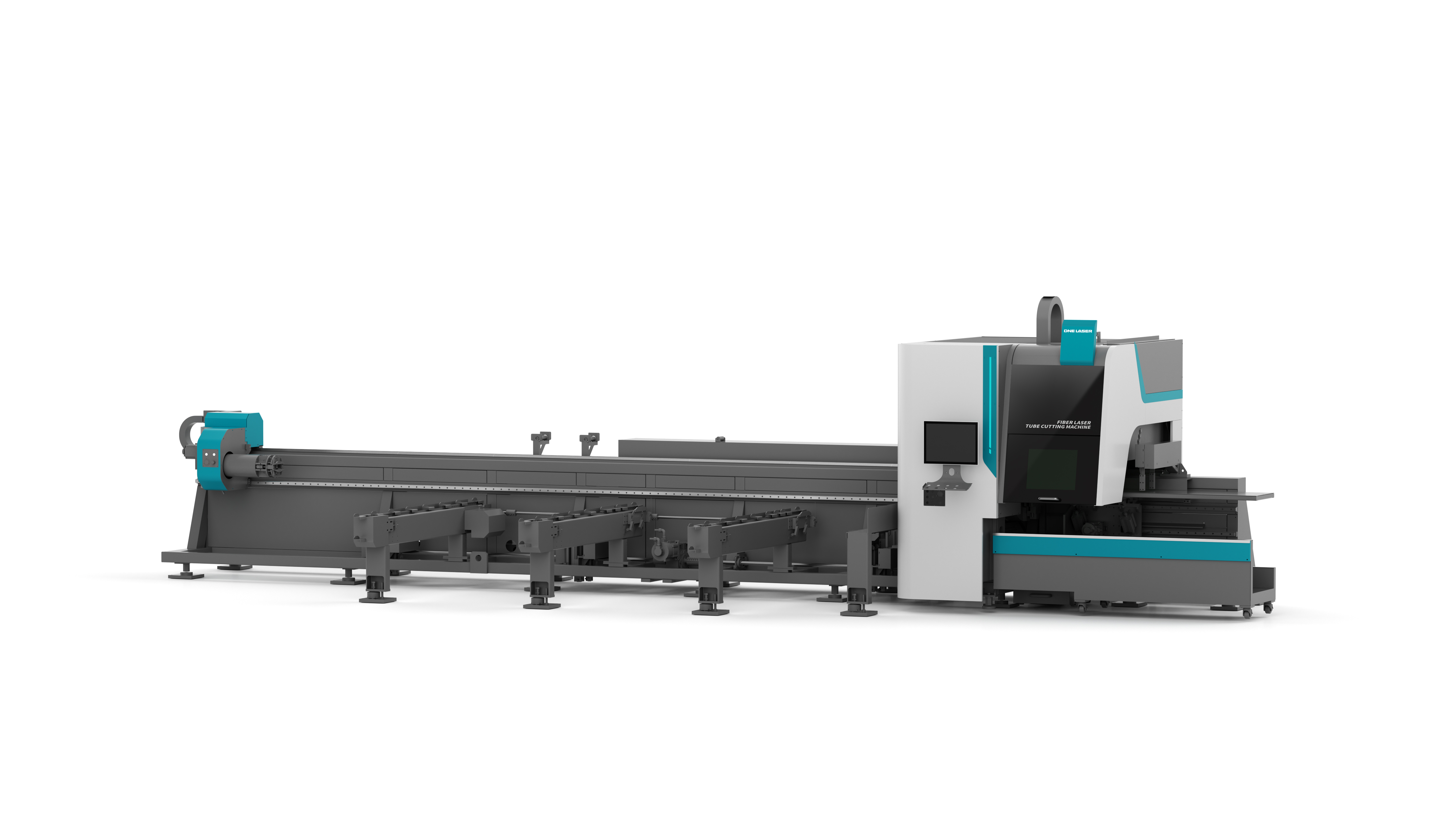
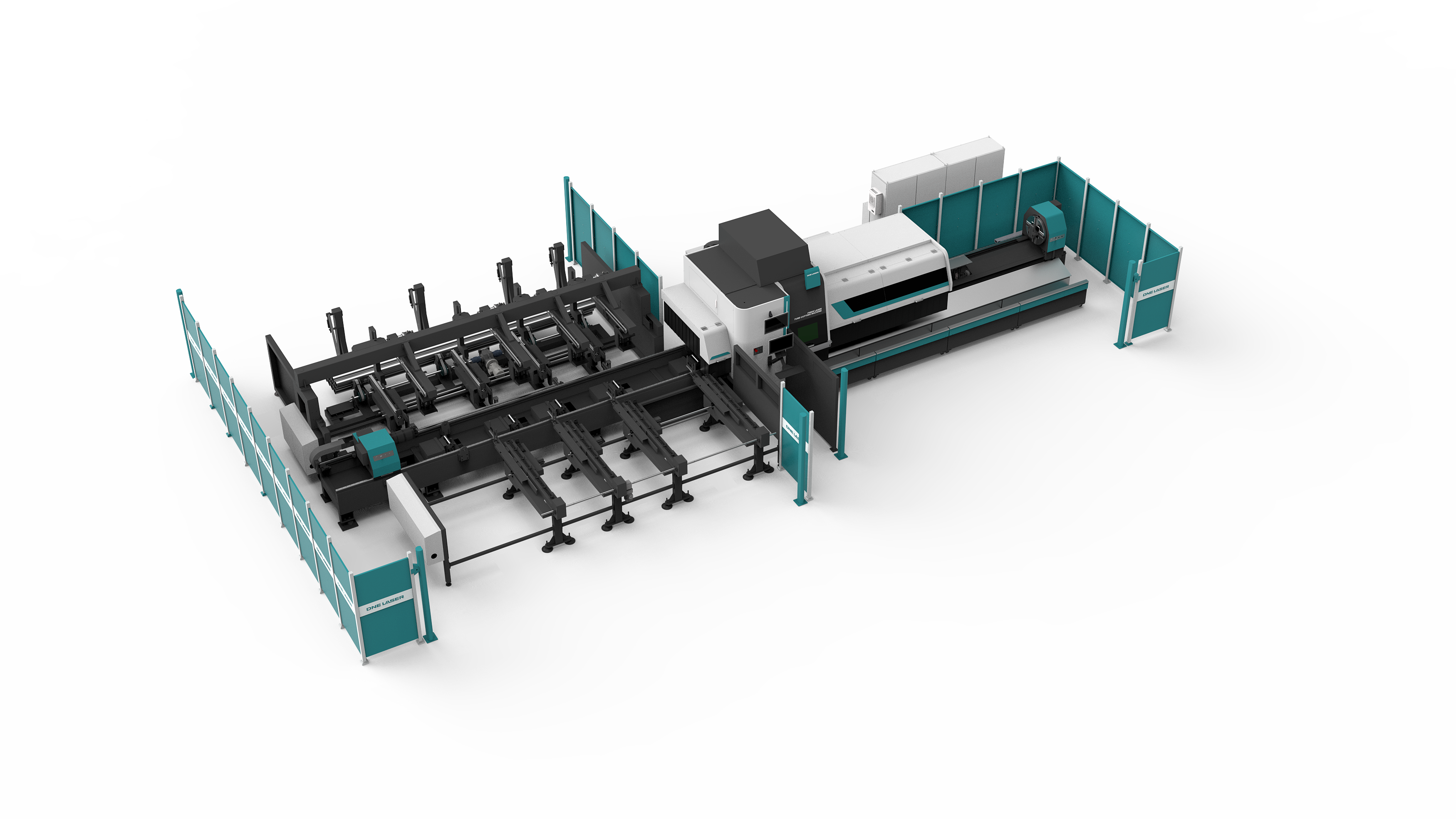
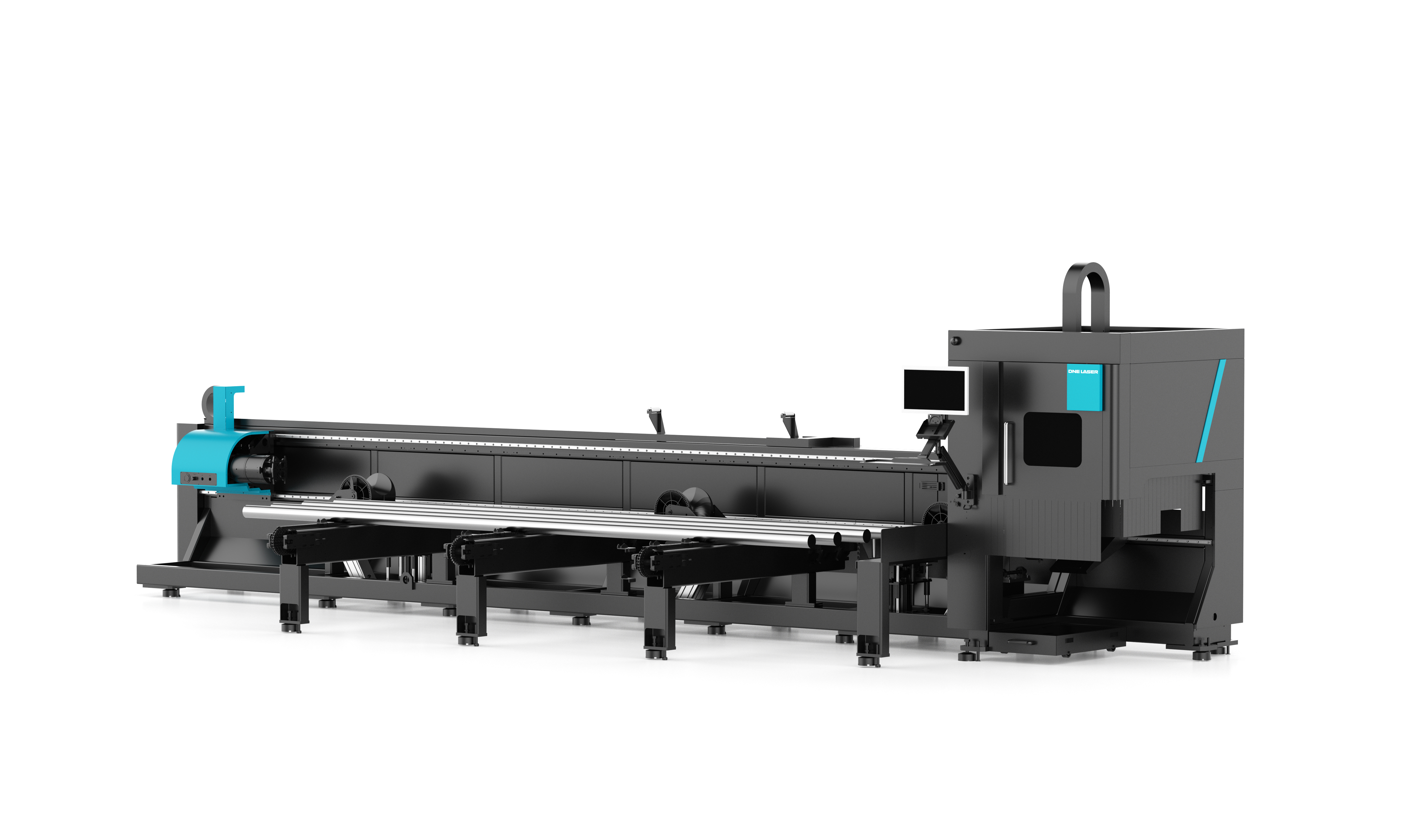
Tube laser cutting has emerged as a precision manufacturing technology widely used in modern industry, renowned for its high accuracy, efficiency, and non-contact processing. Unlike traditional cutting methods, it uses a focused high-power laser beam to melt or vaporize tube materials, enabling clean, burr-free cuts for various hollow profiles such as round, square, rectangular, and oval tubes. This advanced technique is highly compatible with a diverse range of materials, primarily metals, and a small number of non-metallic materials, making it indispensable in automotive, aerospace, construction, furniture, and medical industries.


Ferrous metals are the most commonly processed materials in tube laser cutting, with carbon steel and stainless steel leading the way. Carbon steel, including mild steel, is the most widely used due to its excellent laser absorption rate and cost-effectiveness. It is extensively applied in structural components, pipeline engineering, and mechanical frameworks, with tube laser cutters handling thicknesses ranging from thin-walled decorative tubes to thick-walled industrial pipes up to 20mm with high-power fiber laser systems. Stainless steel, prized for its exceptional corrosion resistance, heat resistance, and aesthetic appeal, is another staple. It is widely used in medical devices, food processing equipment, marine engineering, and architectural decoration, as laser cutting preserves its corrosion-resistant properties without damaging the surface finish, meeting strict hygiene and durability standards.

Non-ferrous metals are also well-suited for tube laser cutting, especially with modern fiber laser technology that efficiently processes reflective materials. Aluminum and its alloys are extremely popular for their lightweight, high strength-to-weight ratio, and corrosion resistance. They are widely used in aerospace components, automotive parts, bicycle frames, and HVAC systems, where weight reduction is critical. Brass and copper tubes, though highly reflective to laser beams, can be precisely cut with advanced fiber laser cutters. Brass is commonly used in decorative hardware, musical instruments, and plumbing fixtures, while copper excels in thermal and electrical conductivity, making it ideal for heat exchangers, electrical conduits, and refrigeration systems. Titanium alloys, a high-performance specialty material, are also processable via tube laser cutting, used in aerospace, medical implants, and high-end sports equipment due to their ultra-lightweight, high strength, and biocompatibility.

In addition to metals, tube laser cutting can process certain non-metallic materials, though this is less common. Some thermoplastic tubes, such as PVC, acrylic, and PET, can be cut with CO2 laser cutters, used in decorative tubes, electrical insulation pipes, and lightweight packaging components. However, non-metallic materials are limited by low melting points and potential toxic fumes during cutting, so their application is restricted to specific non-industrial fields.

It should be noted that material thickness and laser power are key factors affecting cutting results. High-power fiber laser cutters are more versatile, handling thicker and highly reflective metals, while low-power models are suitable for thin-walled tubes. In conclusion, tube laser cutting’s broad material compatibility, from common carbon steel to high-end titanium alloys, makes it a core technology in precision tube processing, driving innovation and efficiency across multiple industrial sectors.

niu_icon01.png
Request A Quote
Name*
E-mail*
Phone or WhatsApp*
Country*
City
Company
Cutting Material
Machine Type
Message
Submit Now
Thank you!
Thank you for your attention. We will contact you as soon as possible.
Confirm
Confirm
Product List
Submit information
Submit Now