How Does a Press Brake Compare to Other Sheet Metal Forming Machines?
Published:2026-09-04
Browse:
Sheet metal forming is a core process in modern manufacturing, covering industries from automotive and electronics to construction and machinery. Among all forming equipment, the press brake stands out for its outstanding versatility and precision. To better understand its industrial value, it is necessary to compare press brakes with three mainstream alternatives: stamping presses, roll forming machines, and sheet metal folding machines.
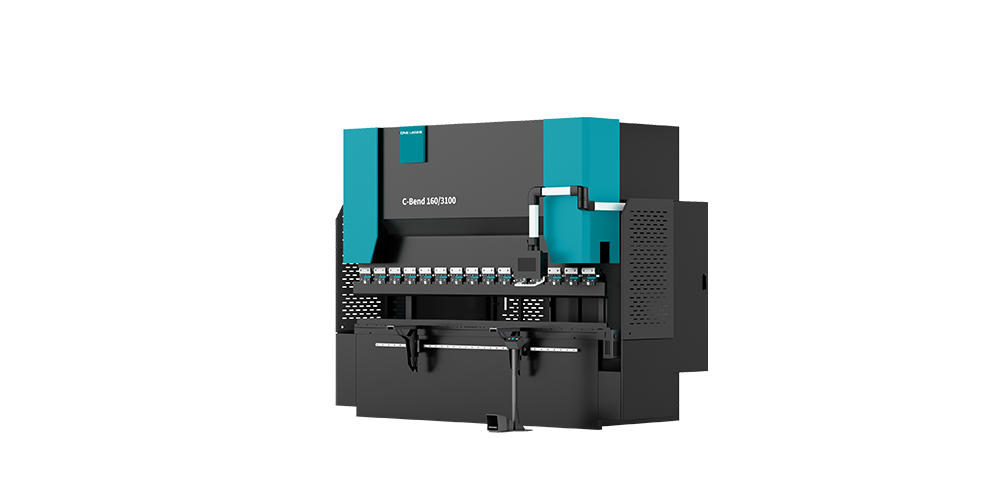
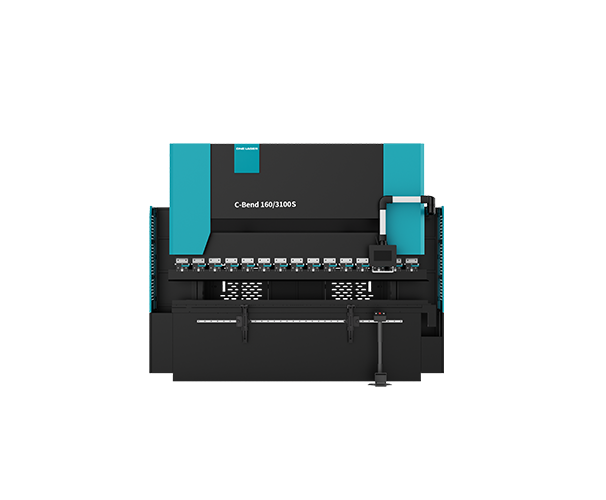
A press brake shapes metal sheets through vertical pressure from a punch and die, creating precise discrete bends with controllable angles and radii. Its most prominent advantage is extreme flexibility. It adapts to small-batch, customized production and complex multi-bend workpieces, such as electrical enclosures, equipment brackets, and cabinet shells. Equipped with CNC systems, modern press brakes deliver high repeat accuracy and can process both thin sheets and thick metal plates steadily. However, its single-piece production speed is relatively low, making it less ideal for ultra-high-volume standardized production.
In contrast, stamping presses prioritize high-speed mass production. They form workpieces via instantaneous impact force with customized dies, completing punching, bending, and shaping in one stroke. Stamping machines excel at manufacturing identical parts in large quantities, such as automotive metal accessories and standard hardware components. Yet, they have obvious limitations. Custom stamping dies require extremely high upfront costs and long debugging cycles, which are uneconomical for small-batch or personalized orders. Moreover, the strong impact force may compromise the internal integrity of thick metal materials.
Roll forming machines adopt a continuous processing mode, gradually bending metal coils through multiple sets of rolling wheels. This equipment is perfect for producing long, linear, and profile-shaped parts like metal keels, ventilation ducts, and continuous wall panels. It features stable molding, high efficiency, and consistent product precision for long workpieces. The downside is its poor flexibility. Custom rolling molds are costly, and the lengthy setup process makes it unsuitable for short or irregular multi-bend components, failing to meet flexible customized production needs.
Sheet metal folding machines share similar bending functions with press brakes but differ greatly in mechanical structure. They bend metal via a rotating folding beam instead of vertical stamping. Folding machines are simple to operate, cost-effective, and suitable for processing thin sheets and large flat panels with single and simple bends. Nevertheless, they cannot achieve complex angle bending, deep flanges, or tapered bends, and lack the precision and pressure tolerance to process thick plates.
In conclusion, each sheet metal forming machine has its unique application scenarios. Stamping suits high-volume standardized production, roll forming fits long profile processing, and folding machines are ideal for simple thin-plate bending. As a flexible and balanced solution, the press brake fills the gap in customized, multi-specification, and medium-precision sheet metal processing, remaining an indispensable core device in versatile modern metal fabrication.