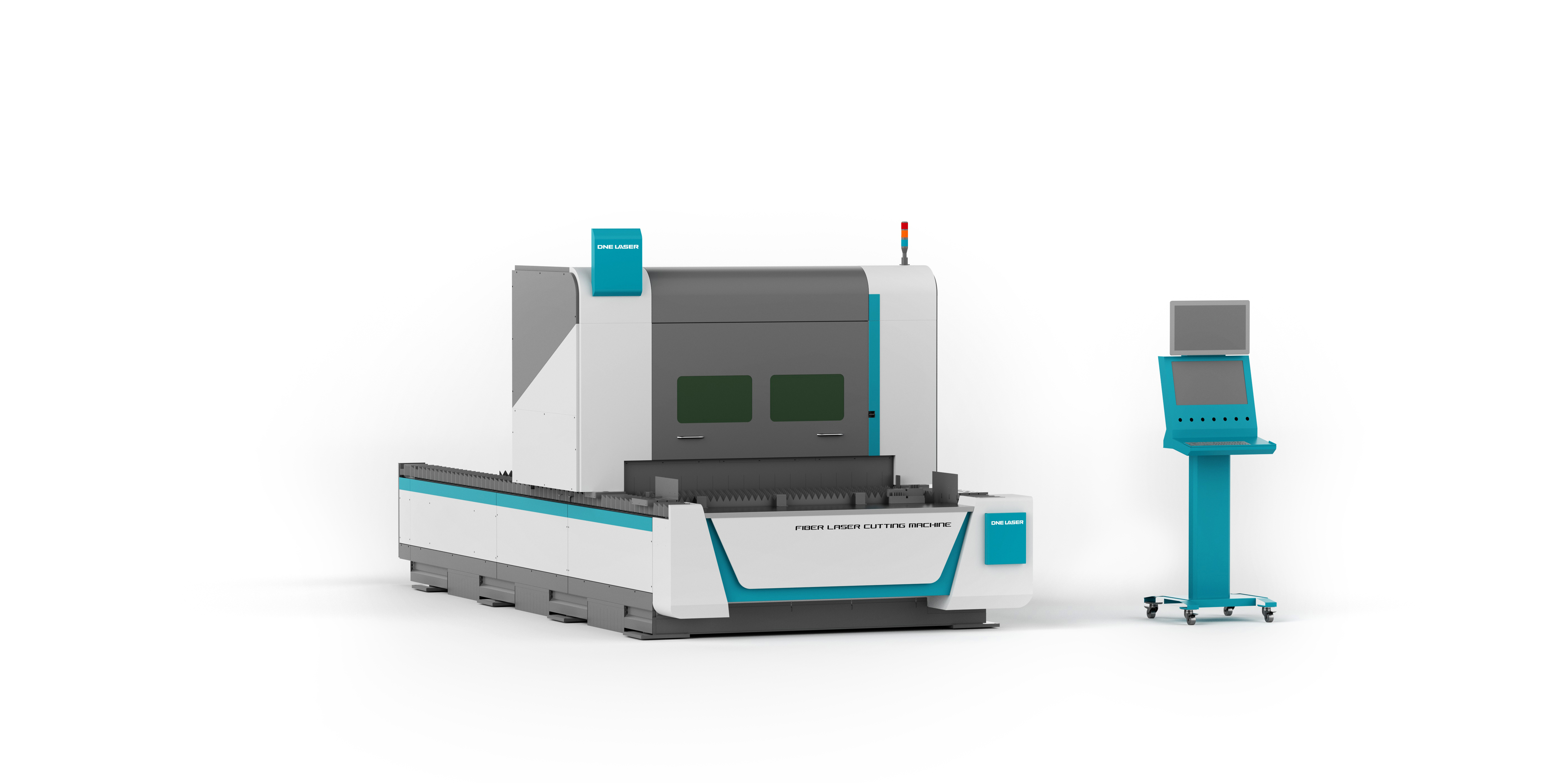
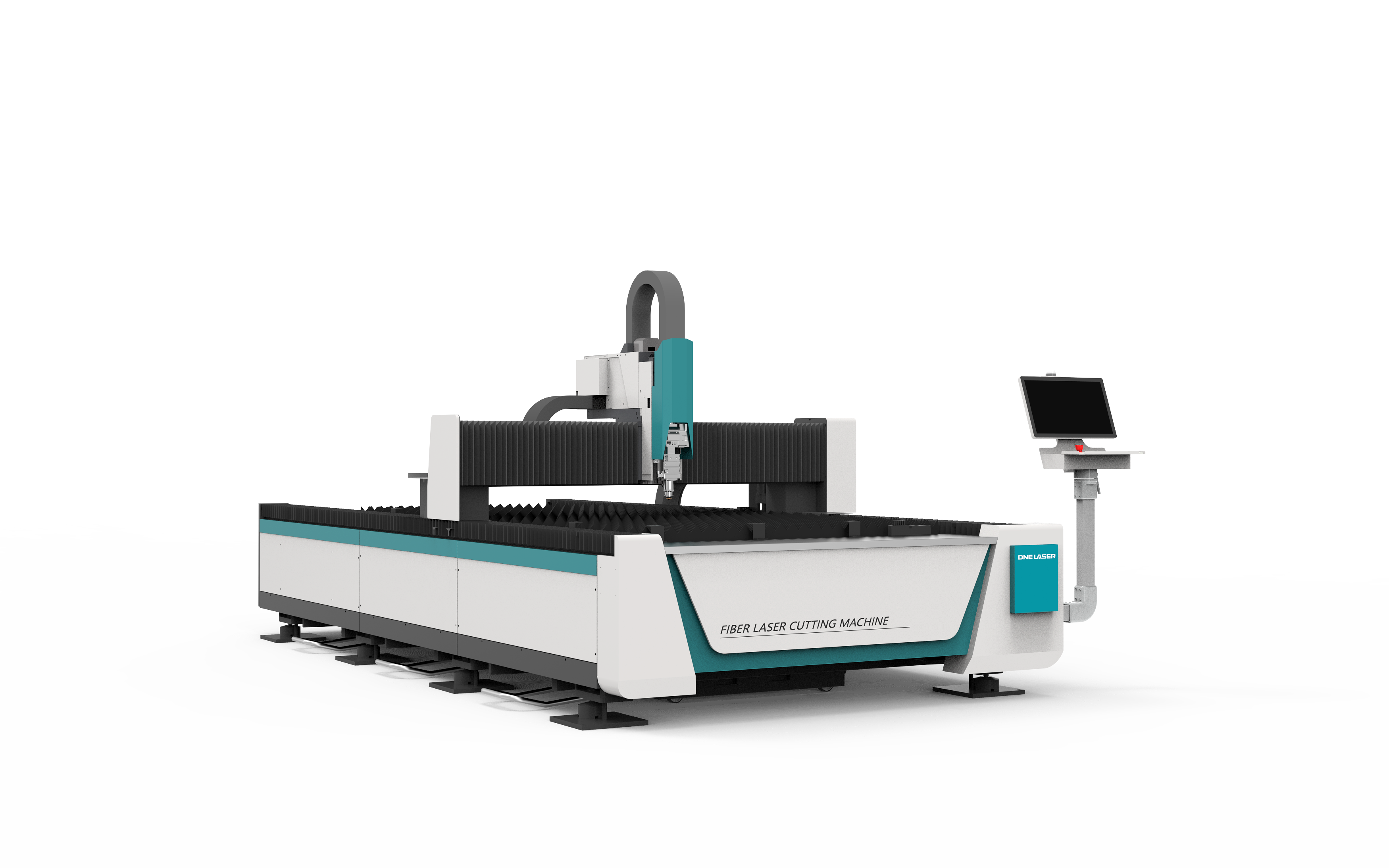
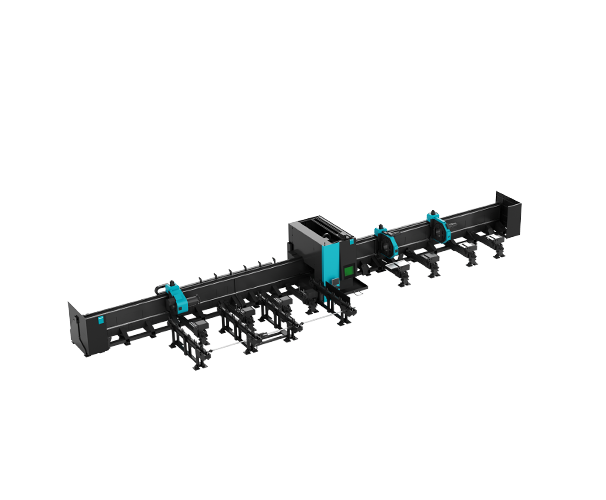
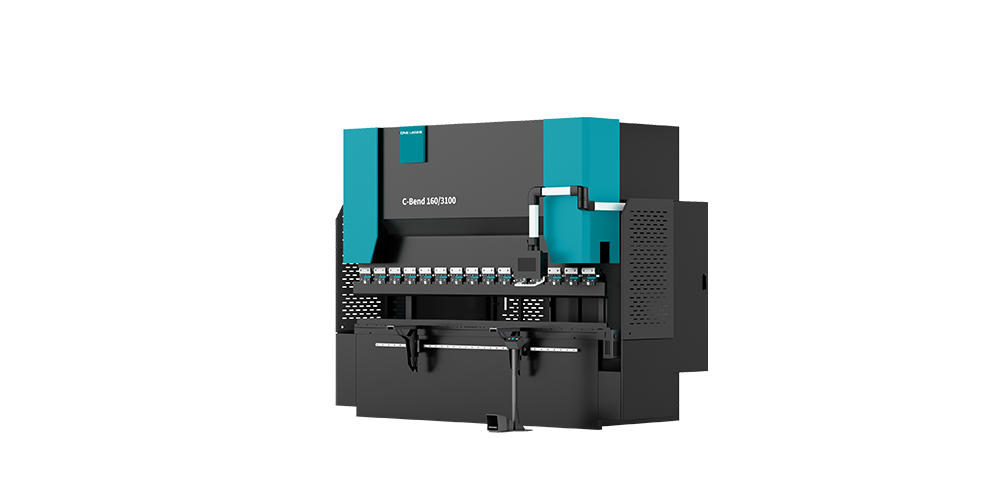
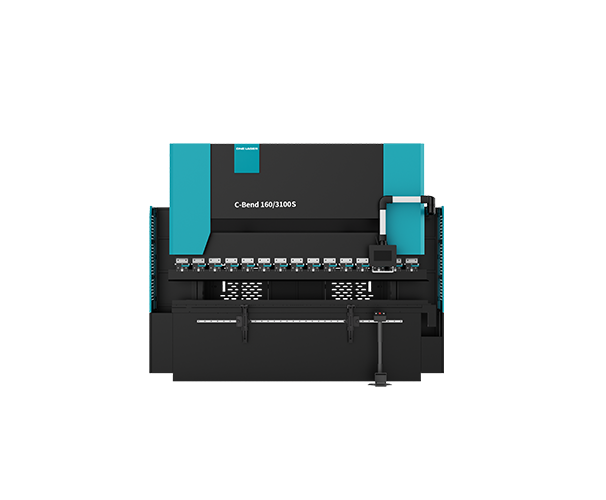
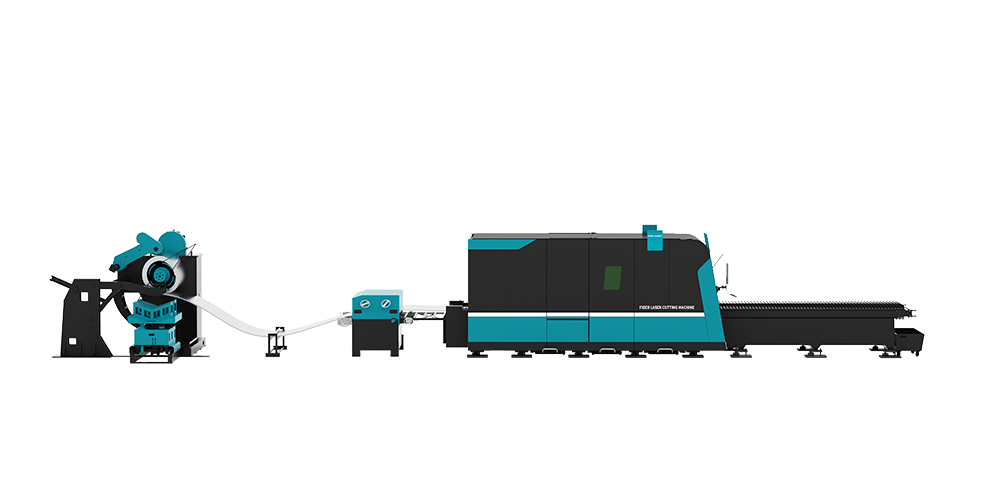
At its core, a laser cutting machine concentrates light energy into an extremely small spot. The beam is generated by a laser source—commonly a fiber laser in modern metalworking—then directed through a cutting head containing lenses or mirrors that focus it to a spot often smaller than 0.1 mm. Where the beam meets the material, the intense energy density melts or vaporizes the metal almost instantly. A coaxial gas stream, typically nitrogen, oxygen, or compressed air, blows the molten material out of the kerf to produce a clean cut edge.
The cutting head moves along a programmed path derived from CAD files. Here, the machine's motion system becomes as important as the laser itself. Acceleration, positioning speed, and linkage dynamics determine how quickly the head can move between cuts and how accurately it tracks complex contours. Two machines with identical laser power can therefore deliver very different real-world throughput.
When evaluating a laser cutting machine, several parameters matter most:
l Laser power — Higher power enables cutting thicker material and, more importantly for thin sheets, faster cutting. Modern fiber lasers reach 20 kW and beyond.
l Positioning speed — Expressed in meters per minute, this defines how fast the head travels between cutting locations.
l Acceleration — Measured in G, this determines how quickly the machine reaches its top speed. Single-axis and linkage acceleration figures are both relevant, since real cutting paths involve simultaneous multi-axis motion.
l Cut quality — Burr height and cut-edge roughness (Ra) are the standard indicators. Lower values mean less secondary processing.
The laser itself is only one part of the equation. In practice, a cutting machine's productivity is often limited not by how fast it cuts, but by how long it sits idle during loading, unloading, and part sorting. This is where the industry has changed most dramatically in recent years.
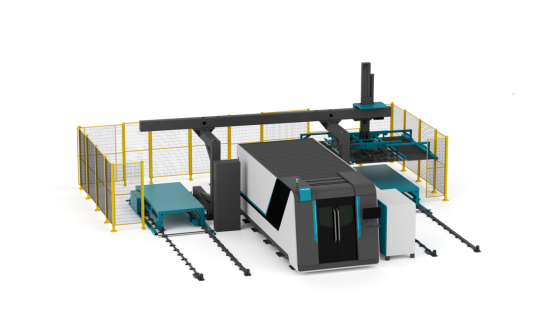
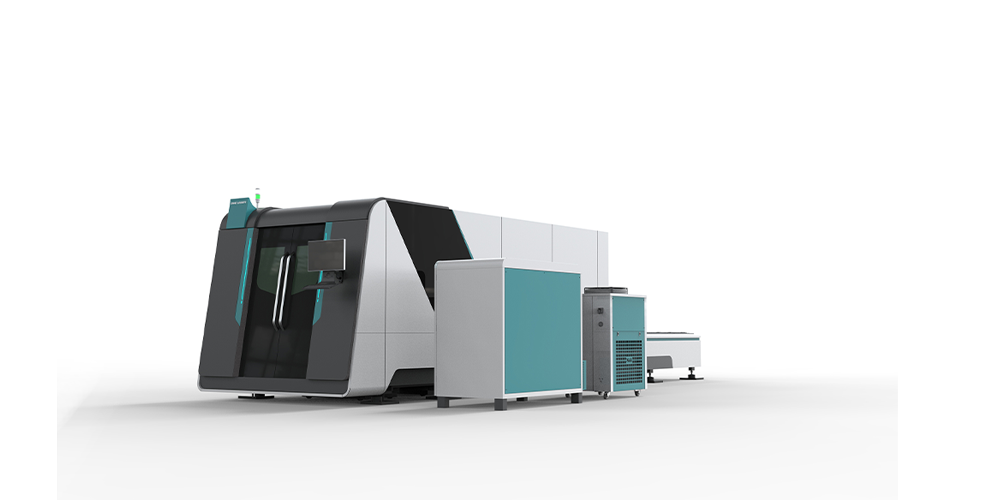
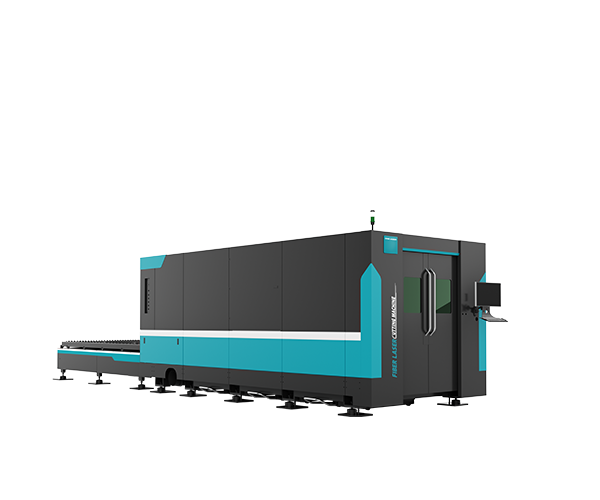
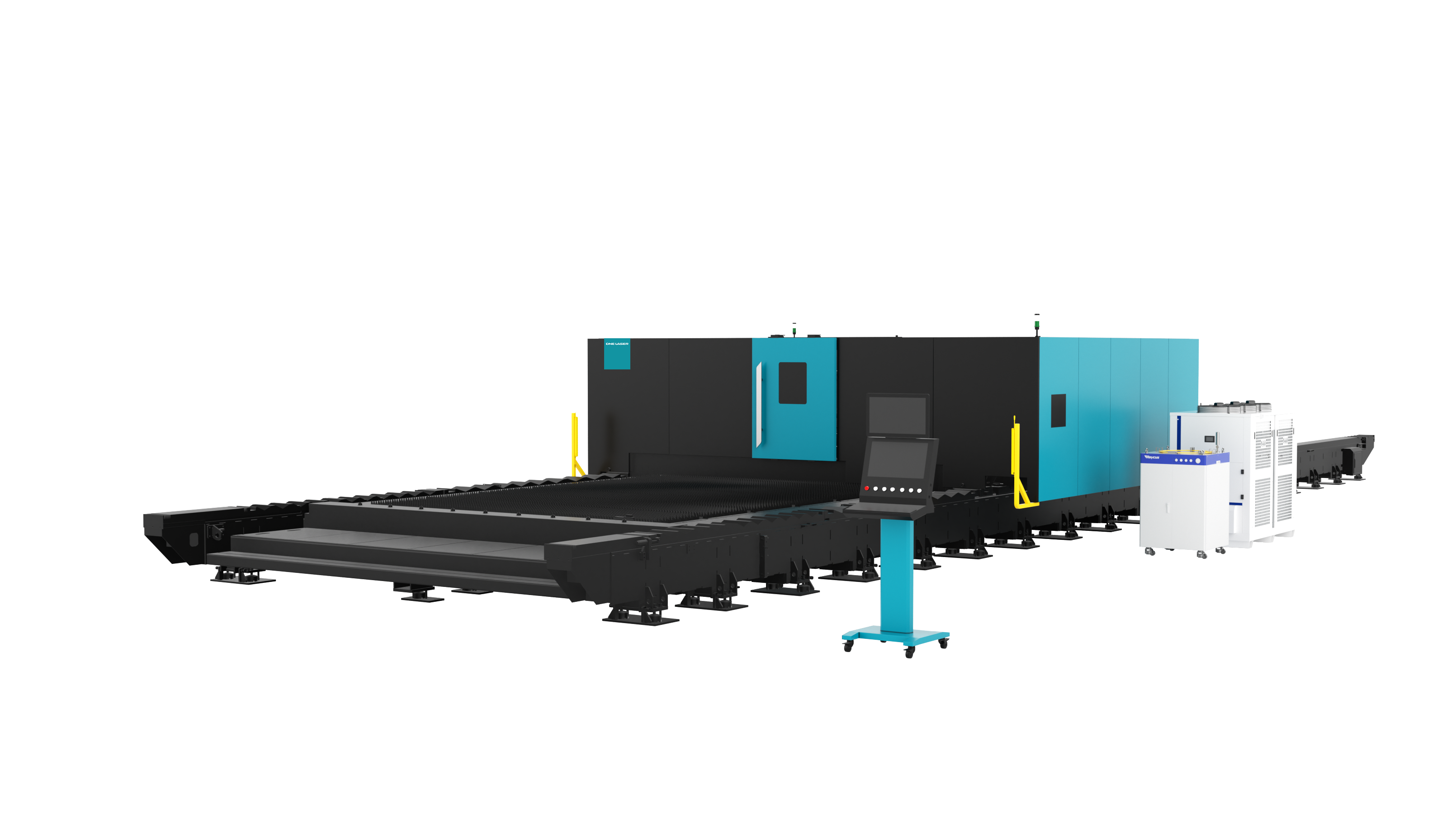
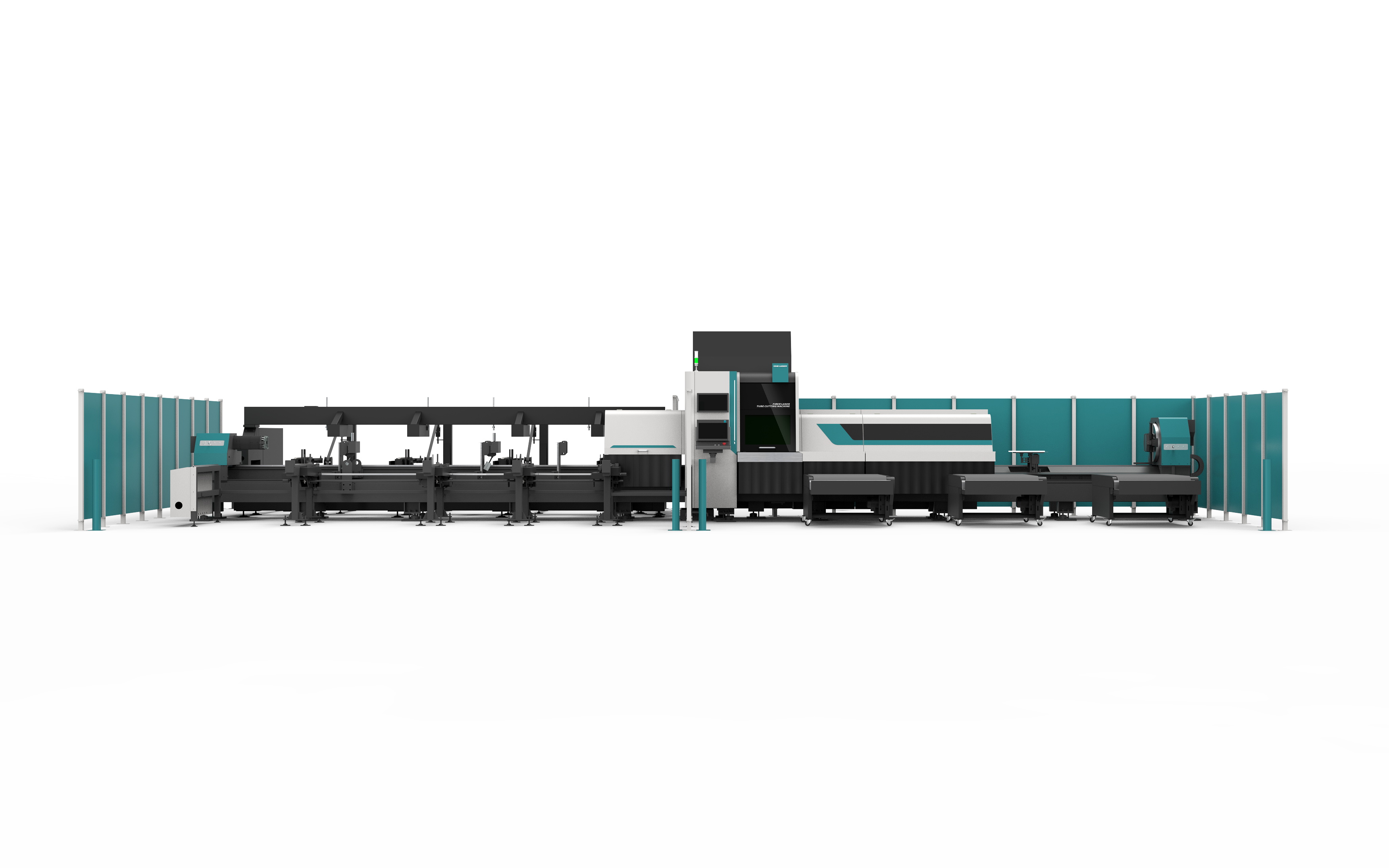
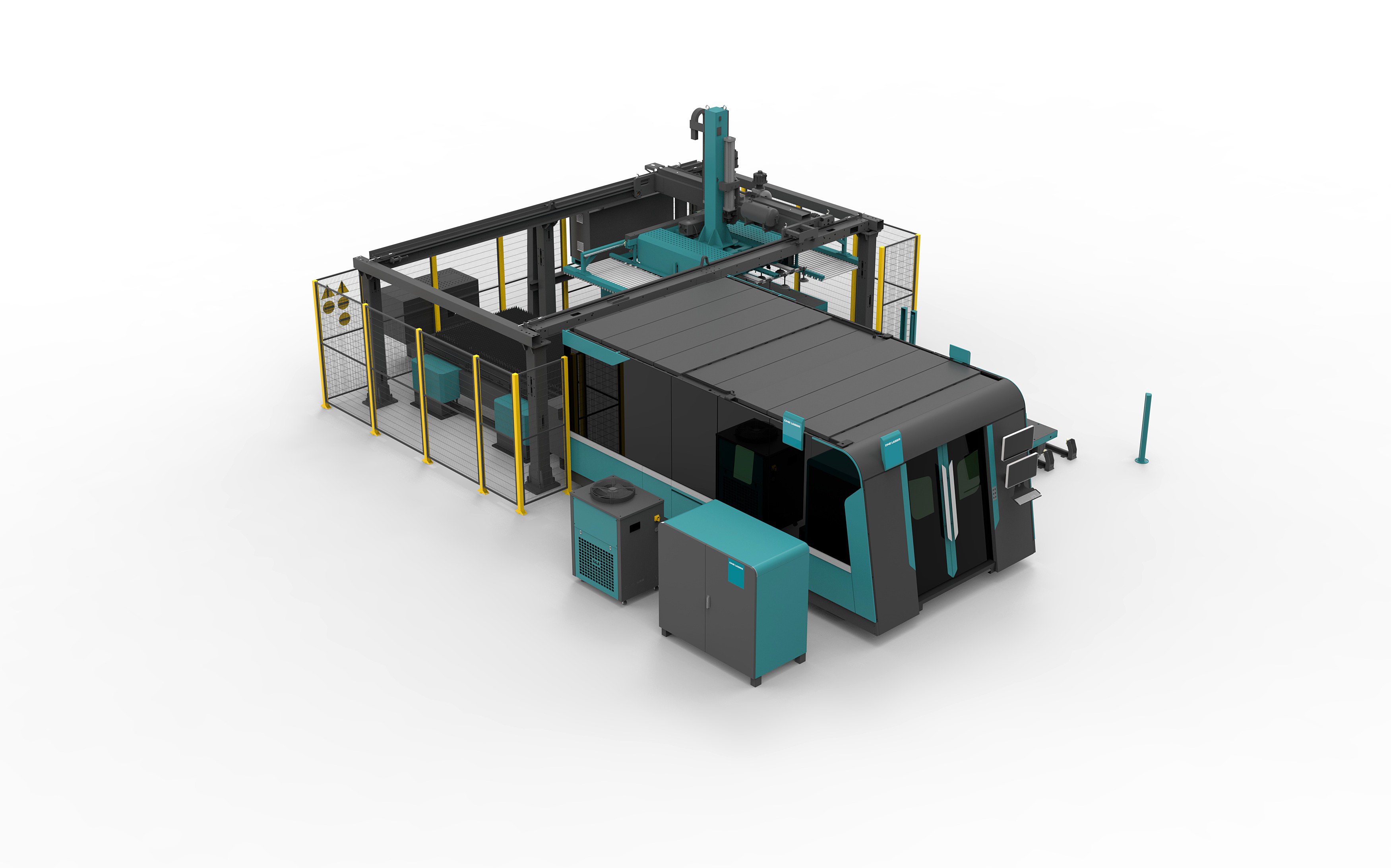
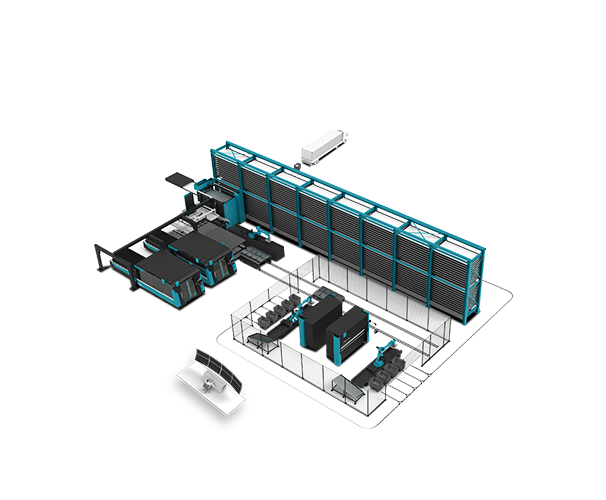
Modern automated cutting cells integrate loading, cutting, unloading, and stacking into a single continuous workflow. Drawing on Industry 4.0 principles, these systems use integrated machine control to reduce the PLC maintenance and commissioning burden that traditionally accompanied automated lines. The result is a production unit that can run continuously with a single operator in a supervisory role—lowering labor costs while simultaneously reducing process variability, which in turn improves part consistency, stability, and quality.
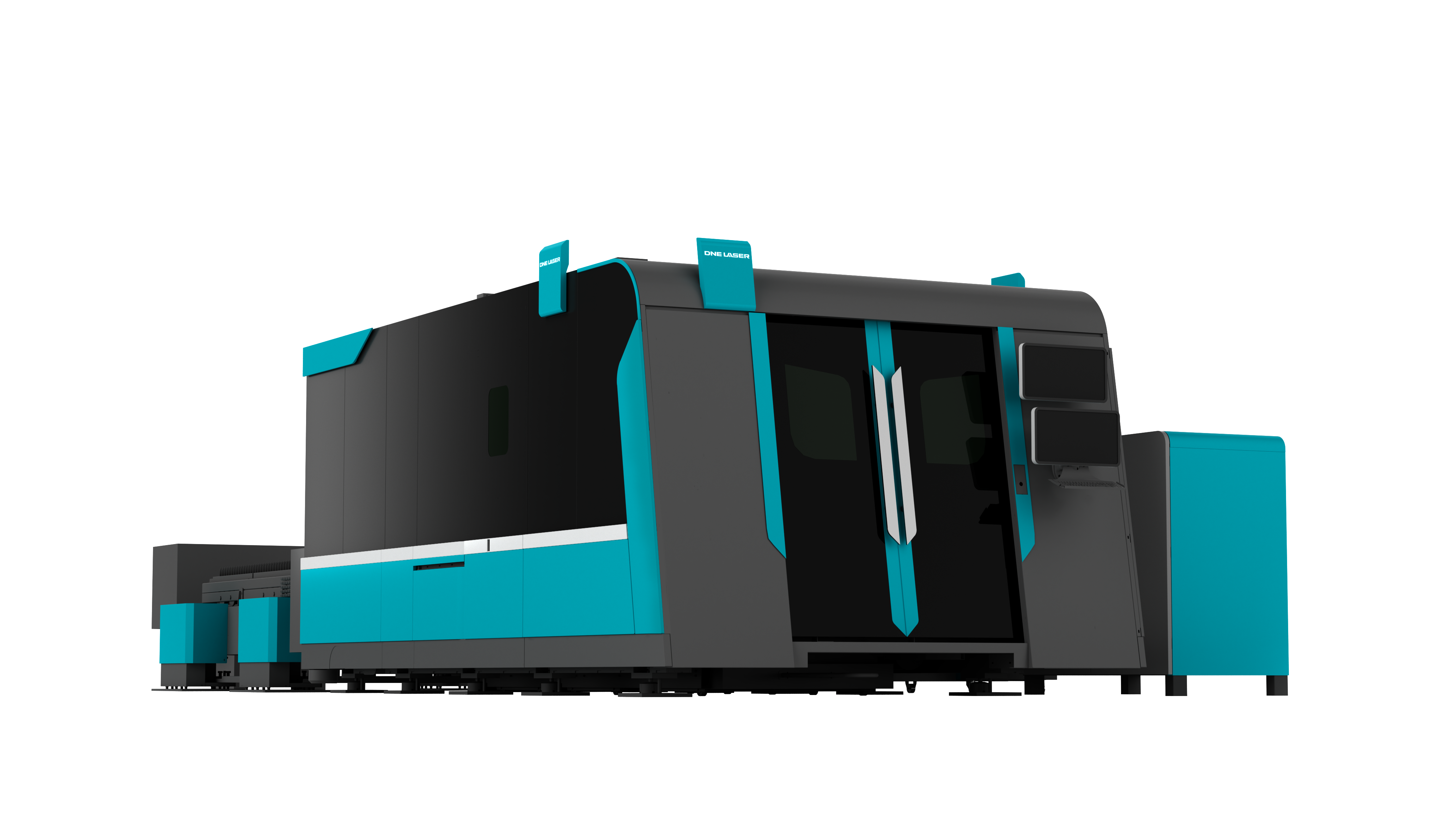
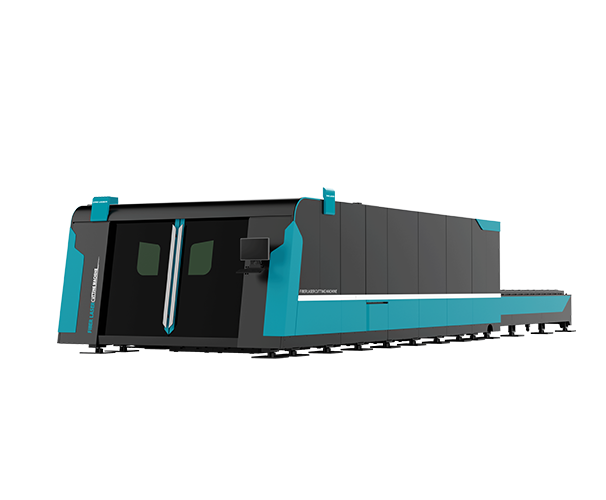
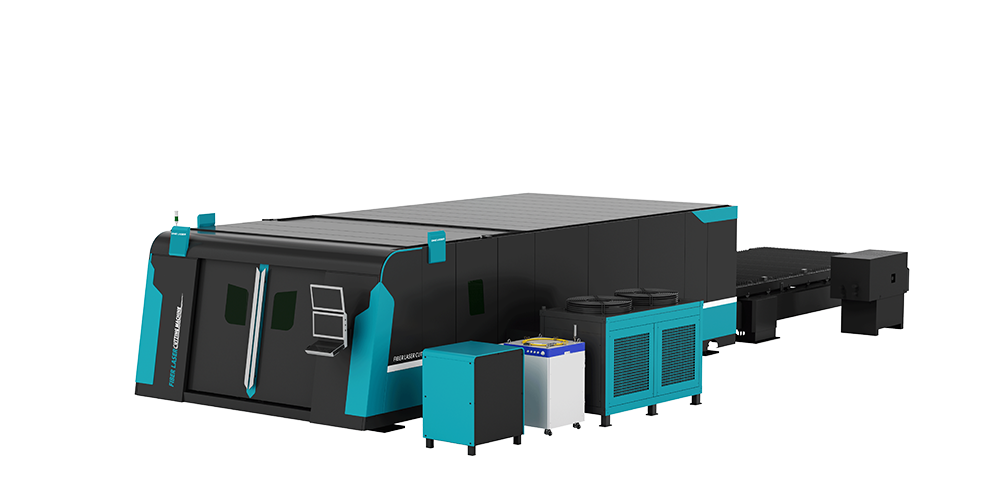
A representative example is the D-Speed High-Speed Automated Cutting Cell, developed independently by DNE LASER. Built around the company's self-developed D-Speed high-speed laser cutting machine, the cell supports laser power up to 20 kW, allowing it to process metal sheets of different materials and thicknesses. Its motion system delivers up to 1.5G single-axis acceleration, 150 m/min positioning speed, and 2.0G linkage acceleration—figures that translate directly into fast response, precise positioning, and reduced non-cutting time.
For thin sheet in the 1–3 mm range, the combination of a self-developed cutting head and small-core-diameter fiber increases cutting efficiency by 22%. Integrated 7 Hz low-pass filtering technology adds a further 15% improvement over conventional 5 Hz solutions. These gains matter because thin-sheet work is where cycle times are shortest and any inefficiency is amplified across thousands of parts.
Cut quality benefits as well. The D-Speed cell achieves a burr height of ≤0.02 mm and cut-edge roughness of ≤Ra 3.2—values that in many applications eliminate the need for secondary deburring or edge finishing.
A laser cutting machine is best understood not as a single tool but as a system: laser source, cutting head, motion platform, control software, and—increasingly—automation. The most meaningful advances today are less about raw laser power and more about how intelligently the entire process is integrated. As manufacturers face pressure to reduce labor costs and improve consistency, DNE LASER combines high-speed motion, precision optics, and continuous workflow to deliver automated cutting operations that save companies significant labor costs—representing the direction the industry is heading.