Fiber Optic Cutting Machines vs. Traditional Cutting Machines: A Battle of Technological Iteration in Industrial Cutting
Published:2026-01-09
Browse:
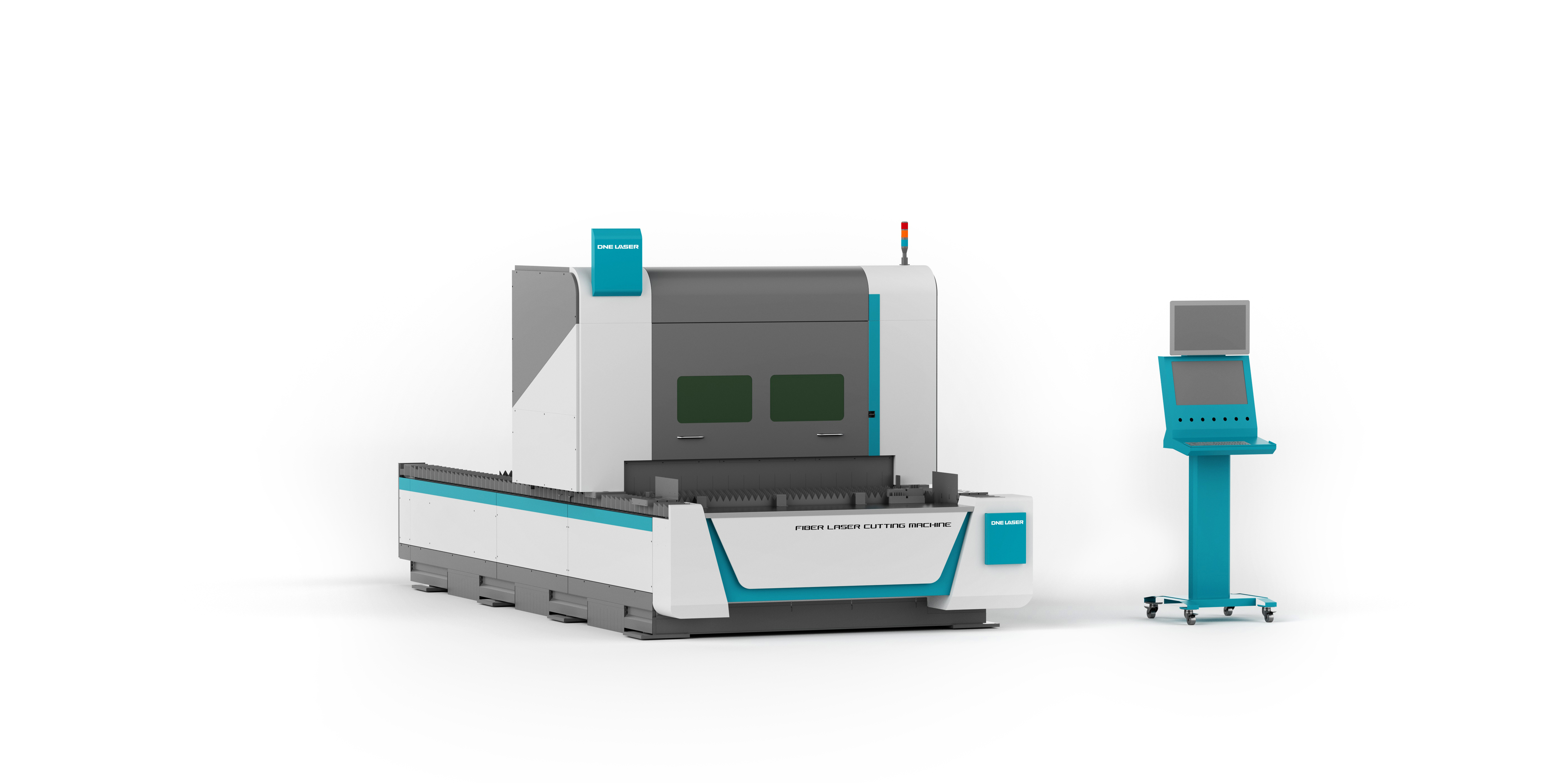
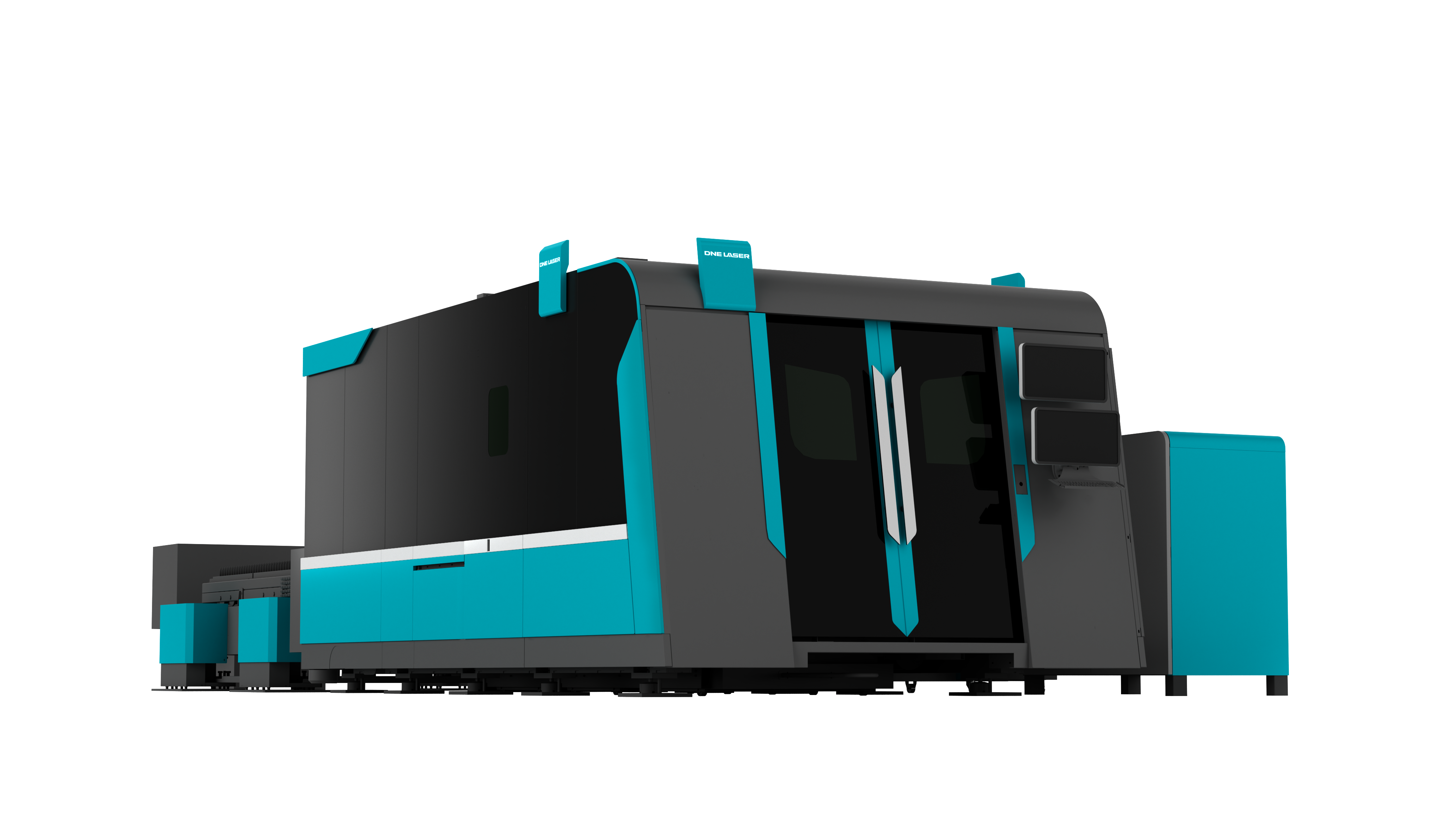
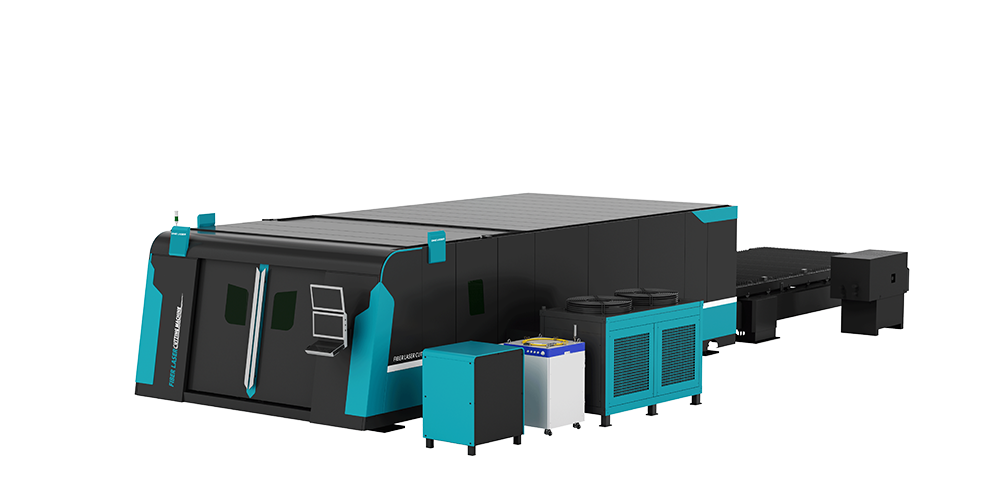
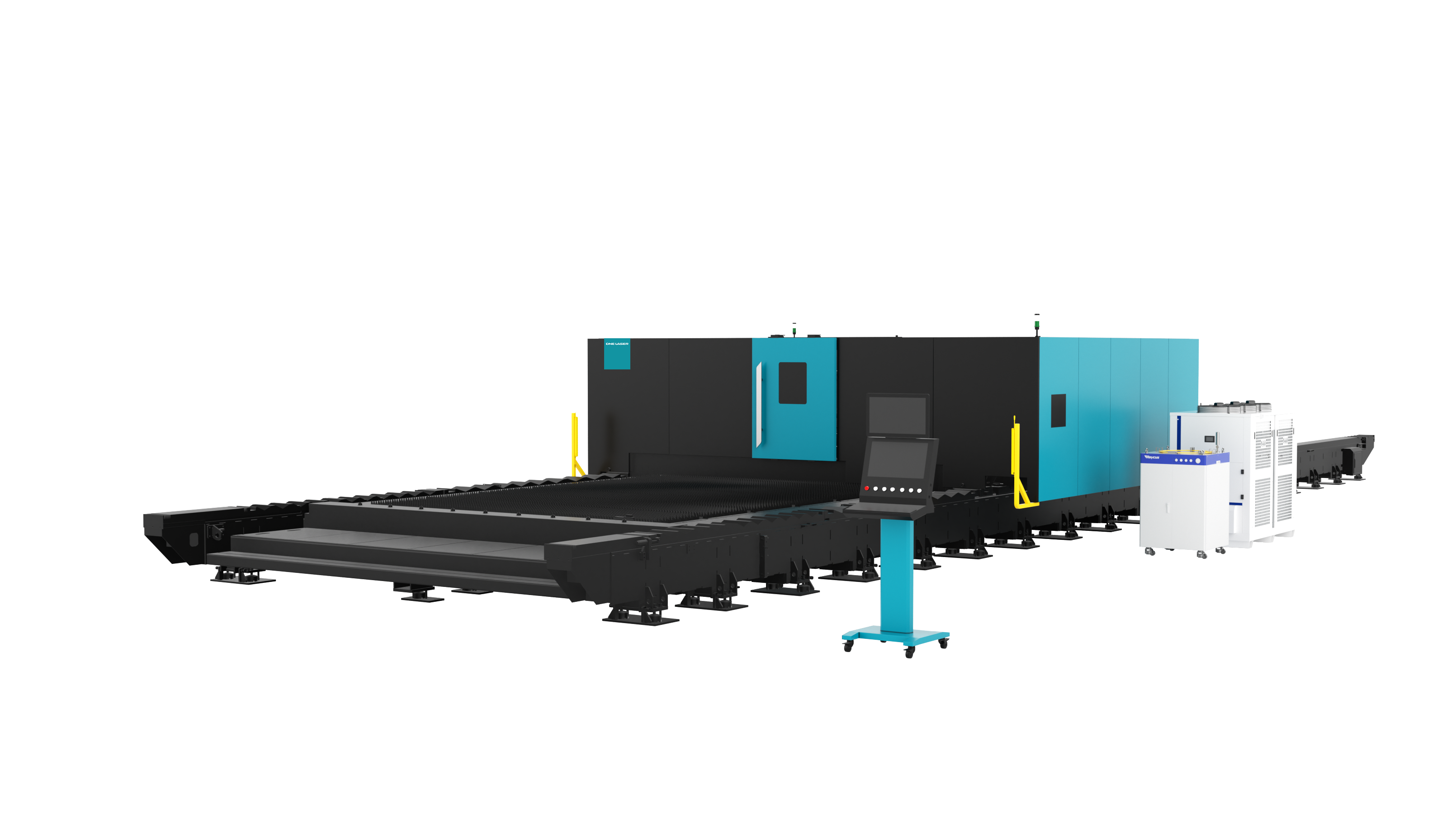
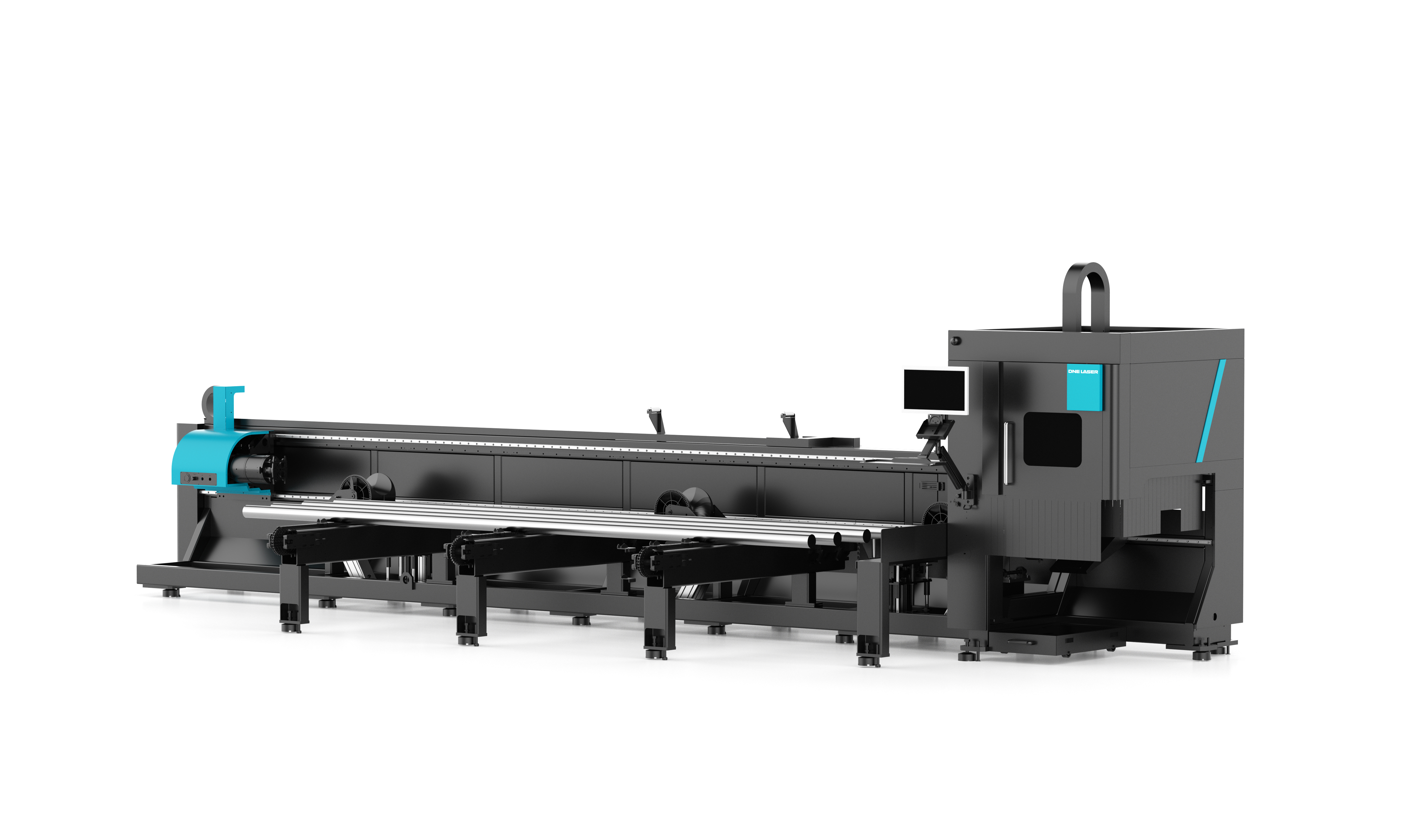
In modern manufacturing cutting processes, the core of the competition between fiber optic cutting machines and traditional cutting machines lies in how technological innovation reshapes industry efficiency and quality. Traditional cutting machines such as flame cutting, plasma cutting, and CNC punching machines have long dominated the market, while the rise of fiber laser cutting technology is fundamentally changing the landscape of industrial cutting. The differences between the two in performance, cost, and application scenarios have become key considerations for companies when choosing a machine.
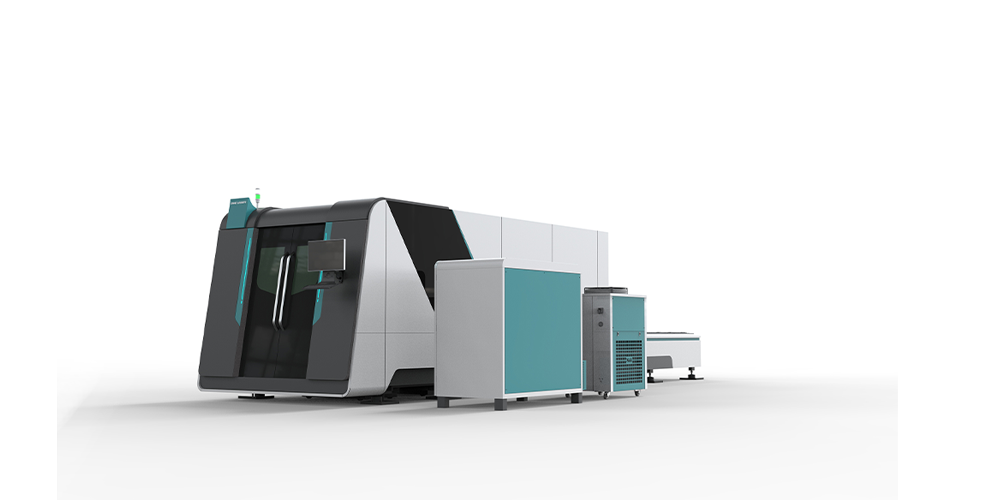
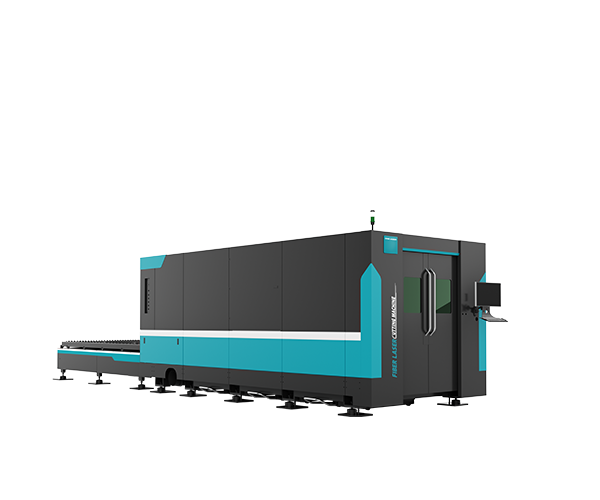
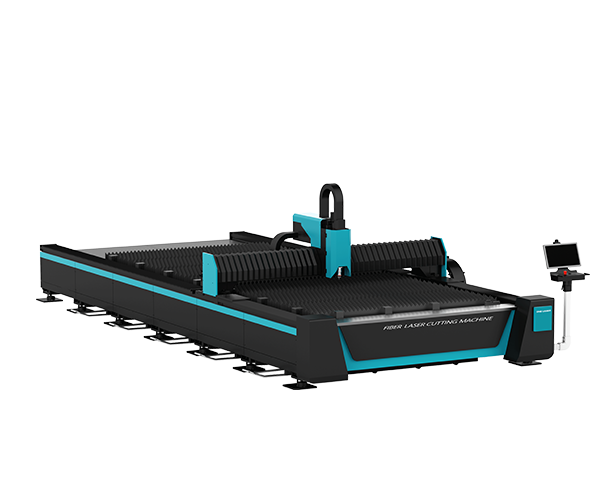
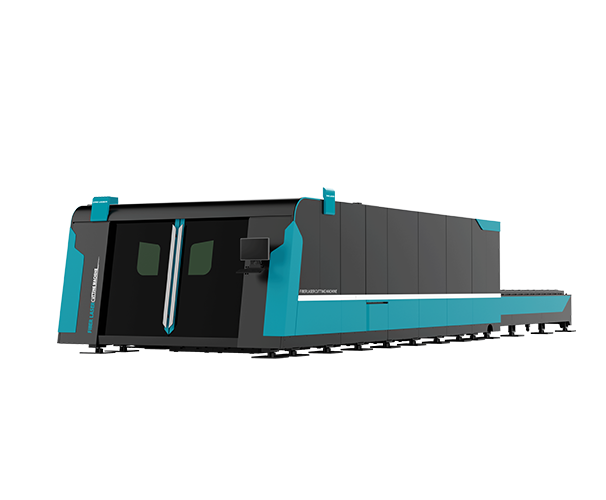
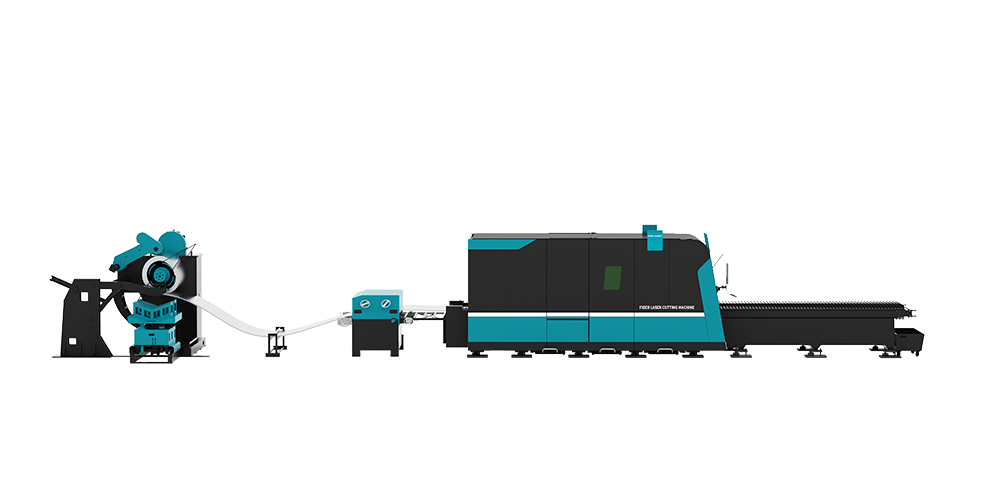
The difference in cutting efficiency and precision is the most obvious dividing line between the two. In traditional cutting machines, flame cutting relies on high-temperature combustion to melt the material. While it has advantages in cutting plates thicker than 30mm, it is slow, has a large heat-affected zone, and produces kerfs several millimeters wide, resulting in significant material waste. Plasma cutting is slightly more efficient, but still suffers from significant thermal deformation and large cut angles. Fiber optic cleavers, utilizing a short-wavelength 1.06μm laser with a focused spot size only at the micrometer level, can cut carbon steel 2-5 times faster than traditional equipment, achieving positioning accuracy within 0.05mm, a kerf as narrow as 0.1-0.2mm, and a smooth, burr-free cut surface, eliminating the need for secondary processing. Especially in cutting highly reflective metals such as aluminum and copper, where traditional equipment struggles to overcome material reflectivity limitations, the high absorption rate of fiber lasers makes this task easily achievable.
The difference in operating and maintenance costs highlights the long-term value. Traditional cutting machines have high hidden costs: flame cutting requires continuous consumption of oxygen and acetylene, plasma cutting electrodes wear out quickly, and CNC punching machines face high mold development and replacement costs. Fiber optic cleavers achieve a photoelectric conversion efficiency of over 30%, three times that of CO₂ laser cleavers, consume only 20-30% of the power of traditional equipment, and eliminate the need for easily damaged components such as reflective lenses and light guide systems, significantly reducing maintenance costs. Key components have a lifespan of up to 100,000 hours. Although the initial investment in fiber optic equipment is high, in the long run, its energy-saving characteristics and low maintenance costs significantly reduce unit processing costs.
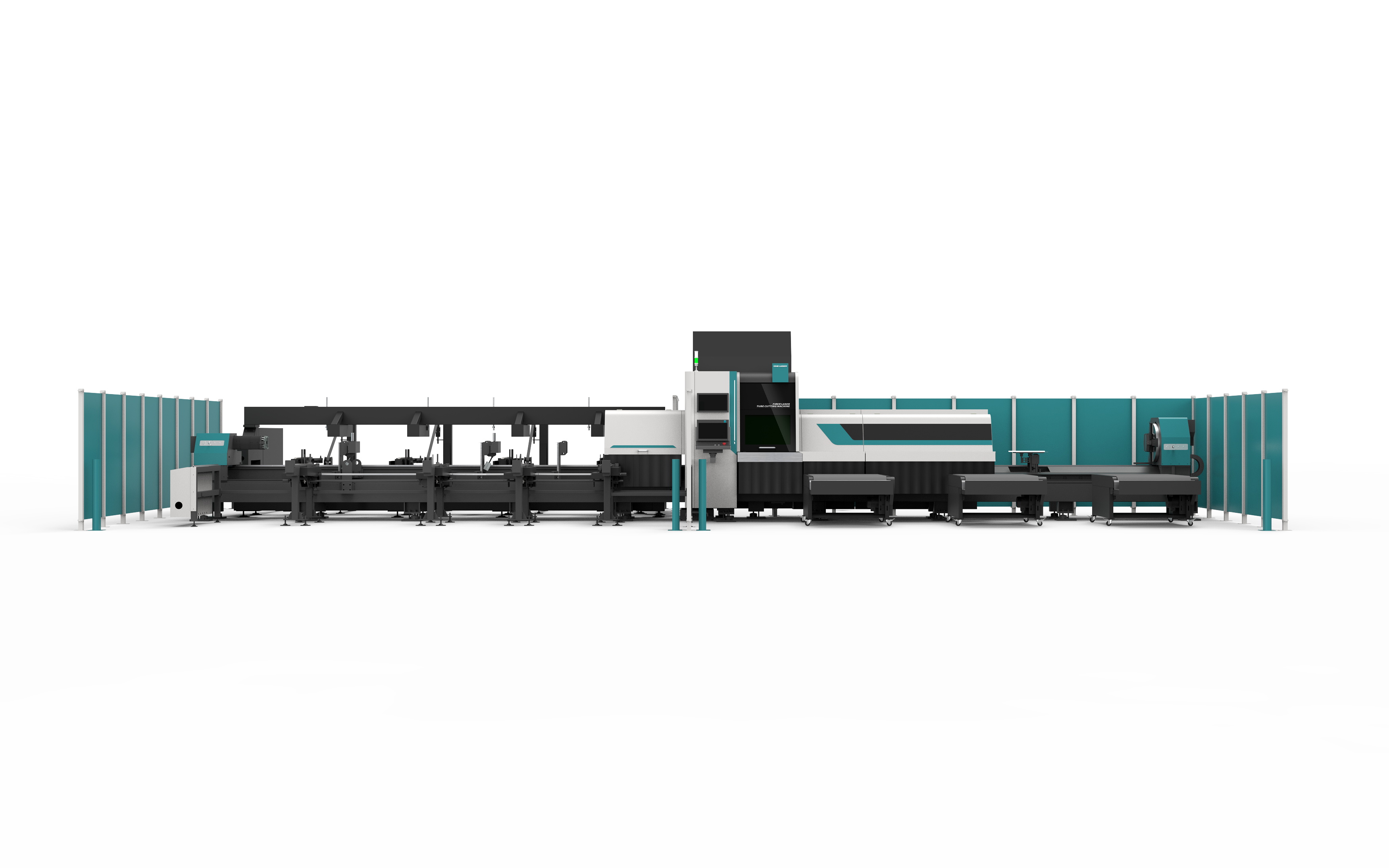
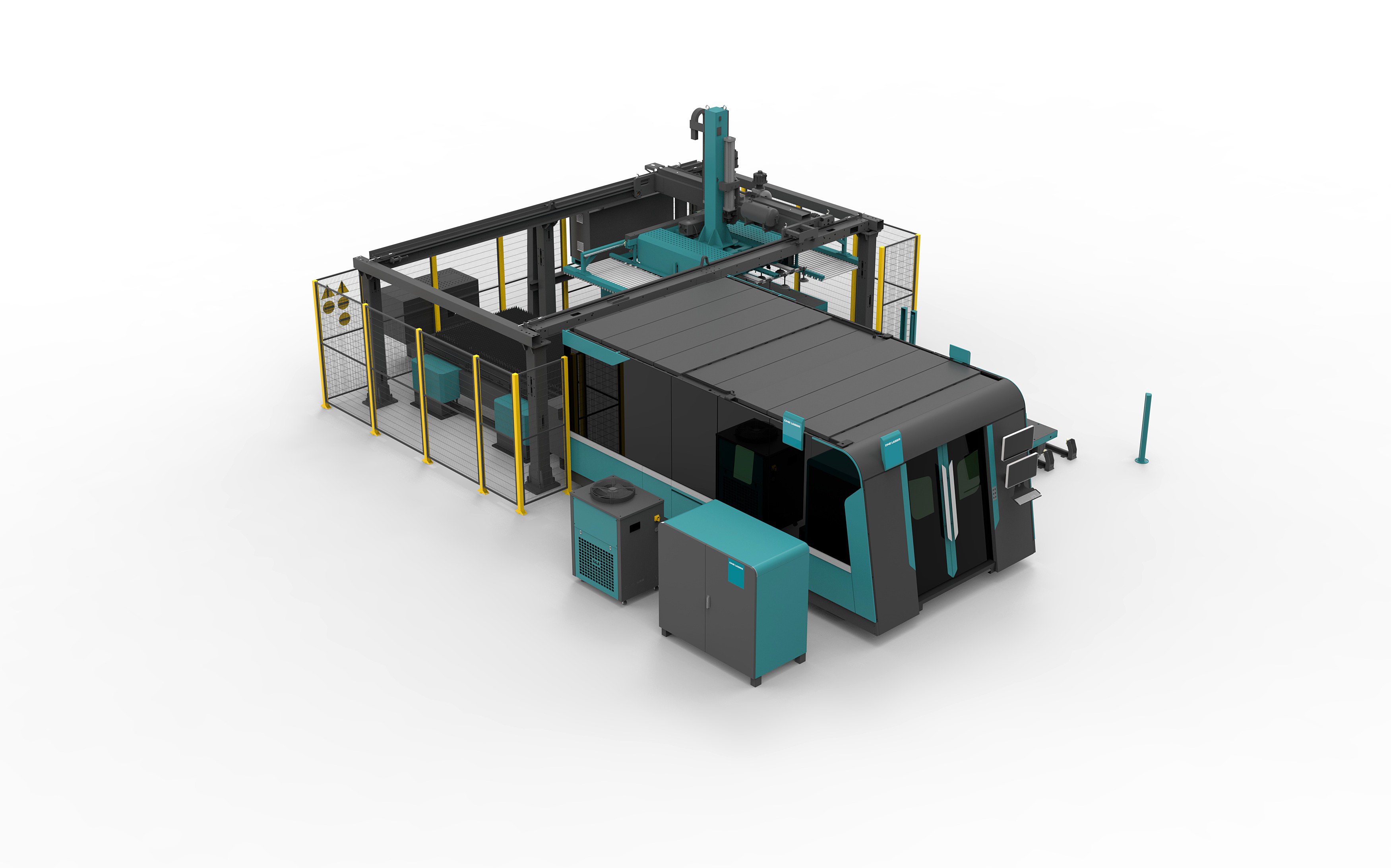
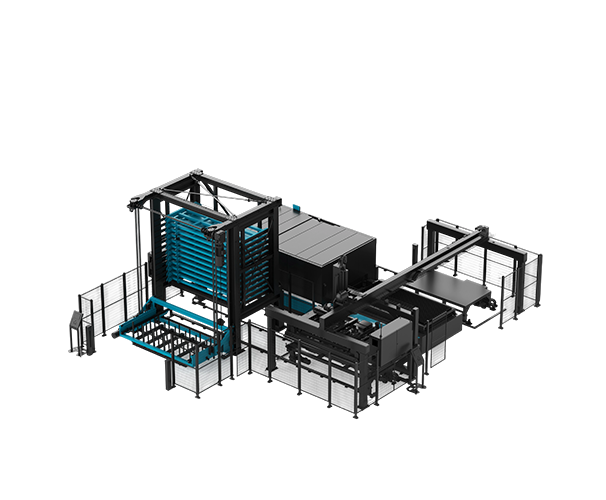
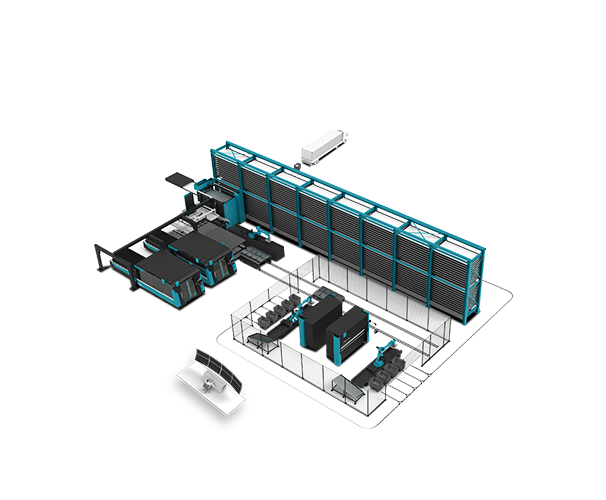
The adaptability of application scenarios determines the coexistence of the two. Traditional cutting machines have not completely disappeared from the market: flame cutting is still suitable for rough processing of thick plates with low precision requirements, and high-pressure water jets can cut special materials such as stone and ceramics. Fiber optic cutting machines, however, have a more prominent flexibility advantage. They can achieve cutting of any complex shape through computer programming without the need for molds, making them particularly suitable for small-batch, multi-variety production modes. They are widely used in sheet metal processing, automotive parts, precision instruments, and other fields. Their compact size (occupying only 0.8m²) and flexible optical path transmission characteristics also allow for integration with robots and multi-dimensional worktables, enabling three-dimensional cutting and multi-purpose functionality.
In the wave of technological iteration, fiber optic cutting machines, with their advantages of high efficiency, precision, and environmental friendliness, have become the mainstream trend in industrial cutting, while traditional cutting machines still play an irreplaceable role in specific scenarios. When selecting equipment, companies need to consider processing materials, precision requirements, and cost budgets: for those pursuing refined production and long-term benefits, fiber optic cleavers are the optimal solution; for handling rough machining of thick plates or special materials, traditional equipment offers better cost-effectiveness. The ultimate significance of this technological debate lies in encouraging the manufacturing industry to choose the optimal solution based on its needs, thereby improving the quality and efficiency of cutting processes and achieving sustainable development.