Search
Hot search keywords:
series DNE Mechanical C-Bend
Home·News·Company News·Technical Principles of Fiber Optic Cutting Machines

Technical Principles of Fiber Optic Cutting Machines

Published:2026-01-14
Browse:
Share:
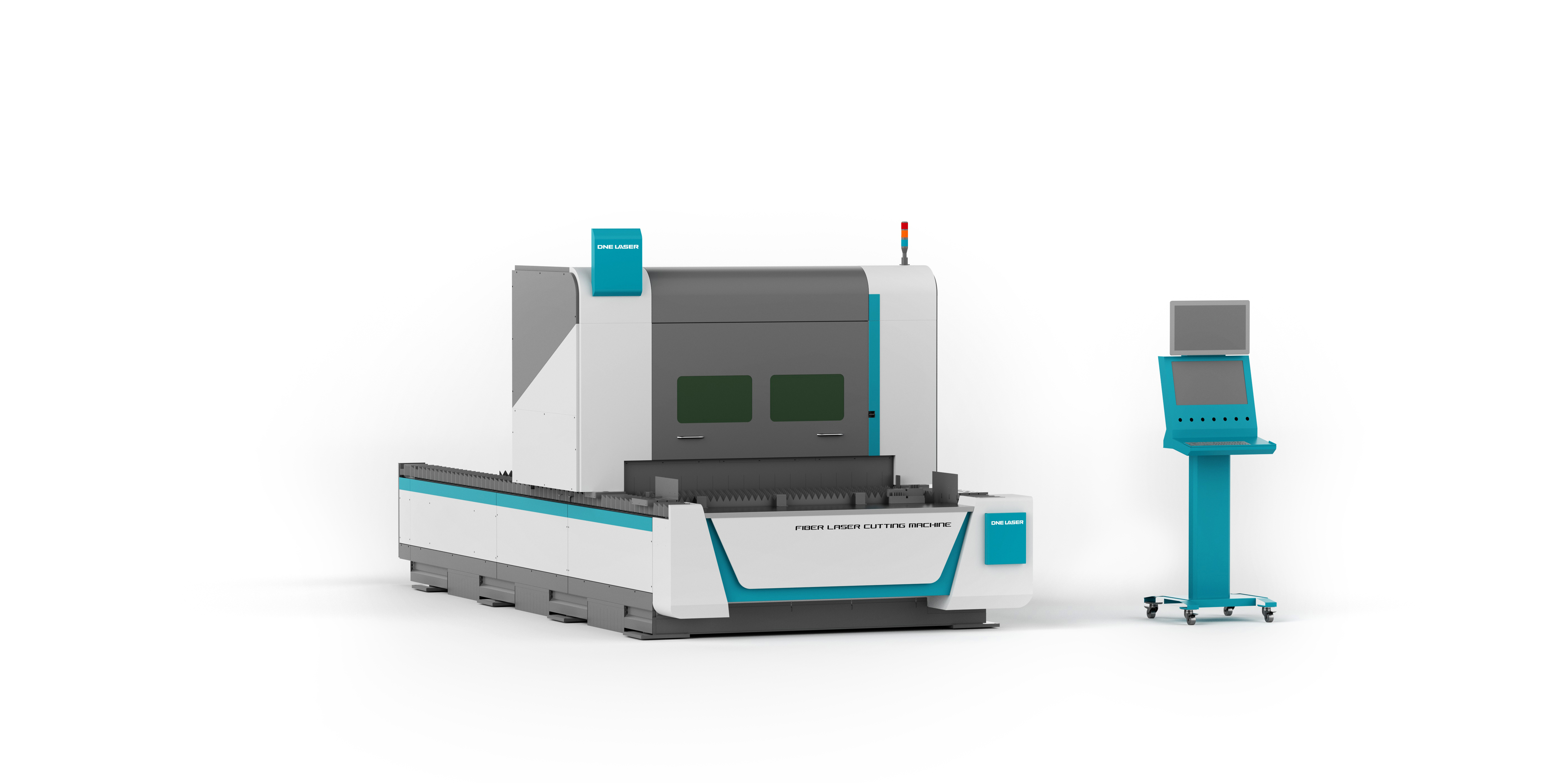
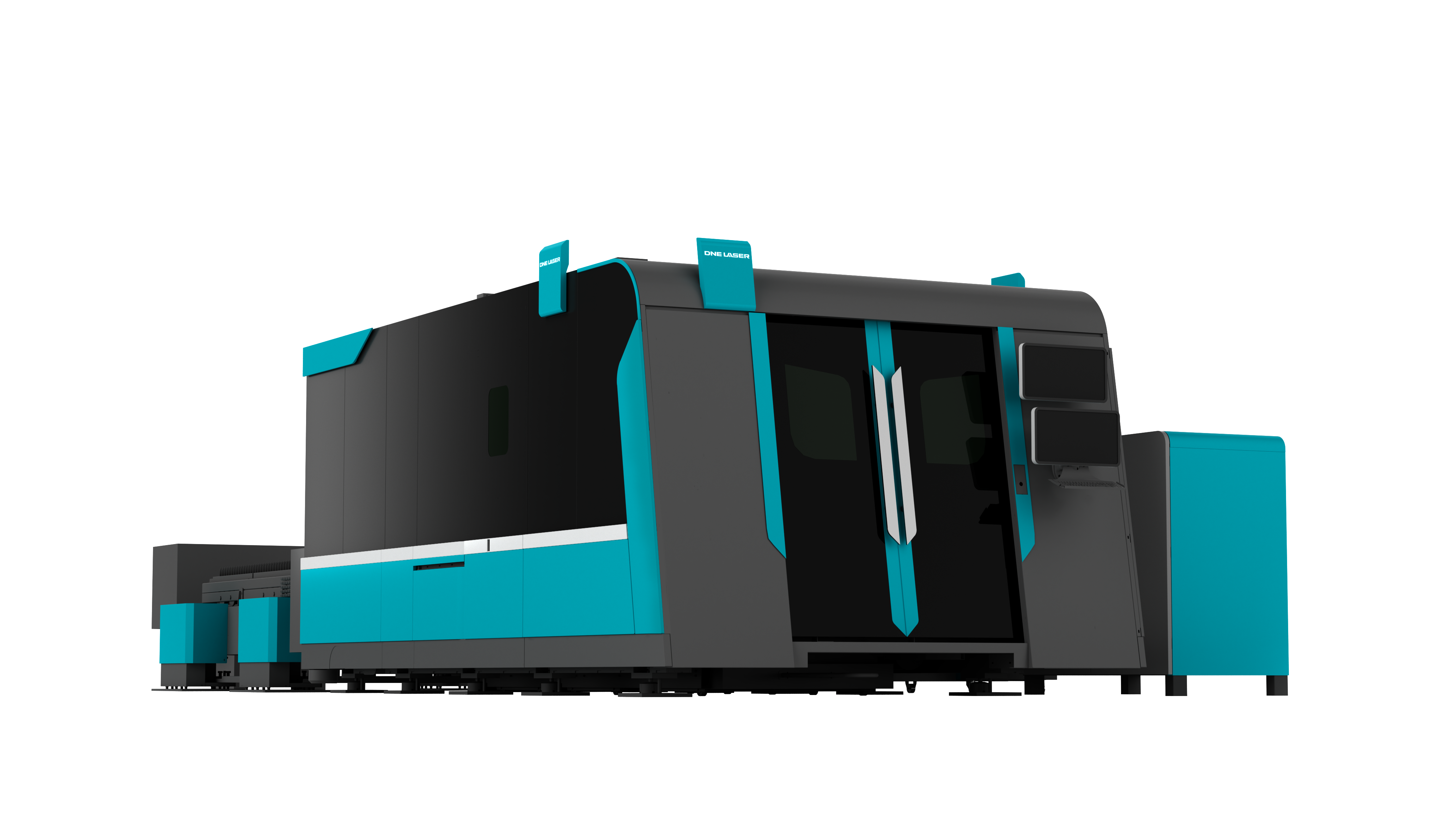
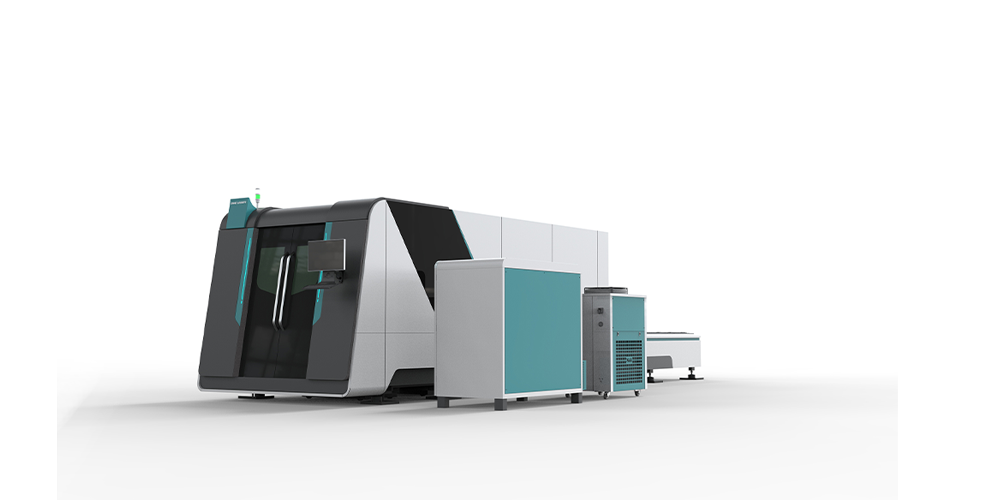
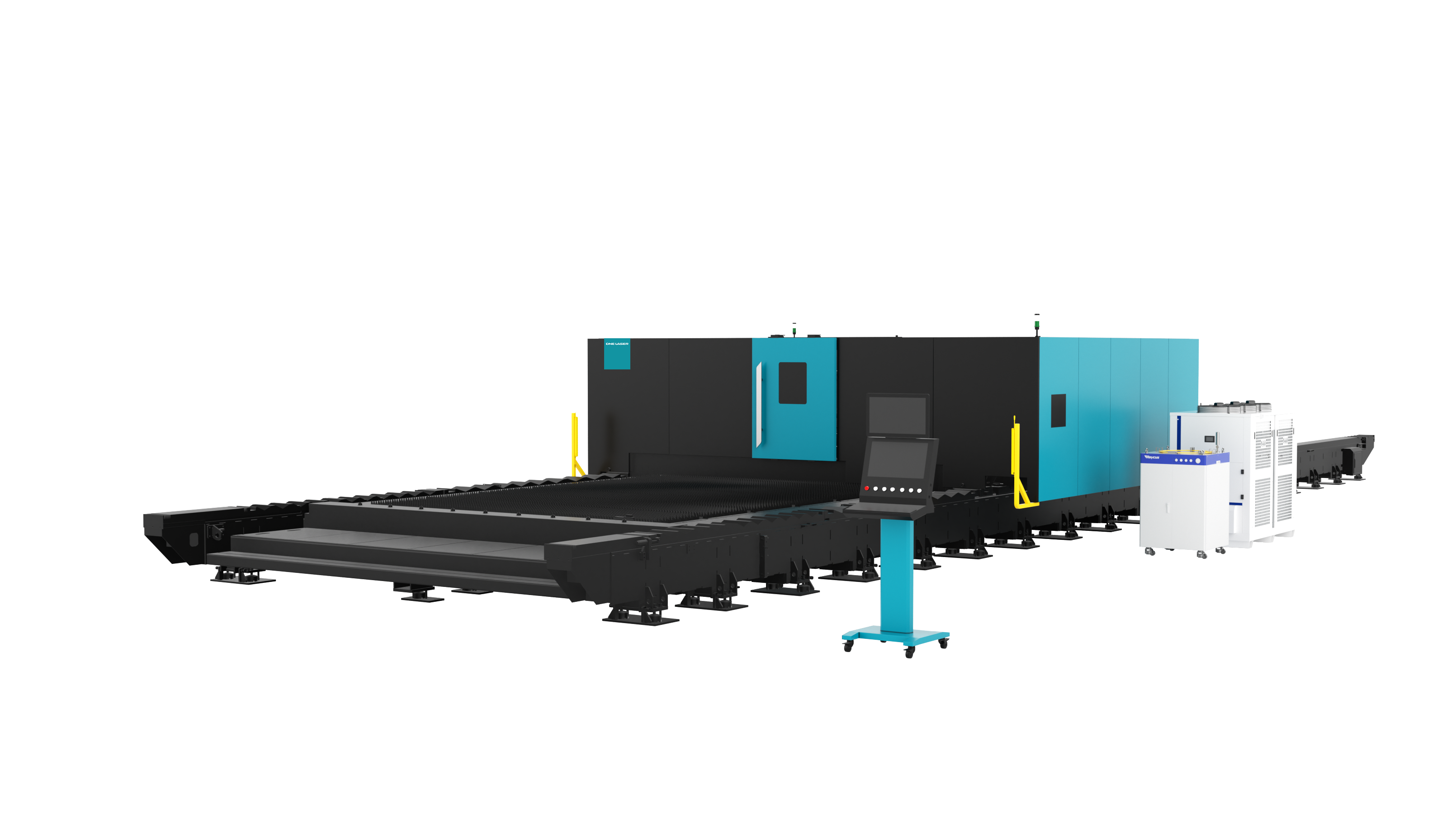
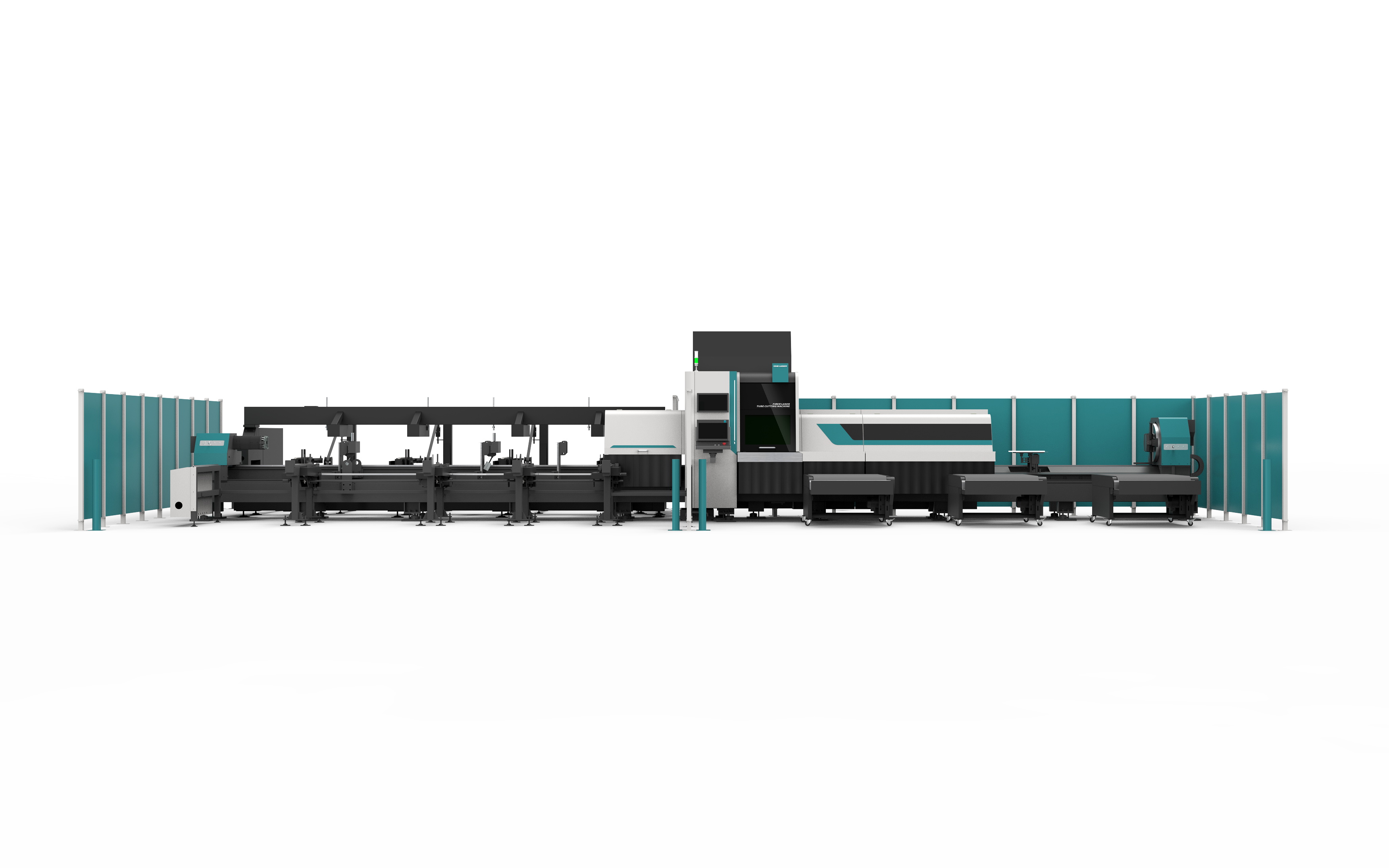
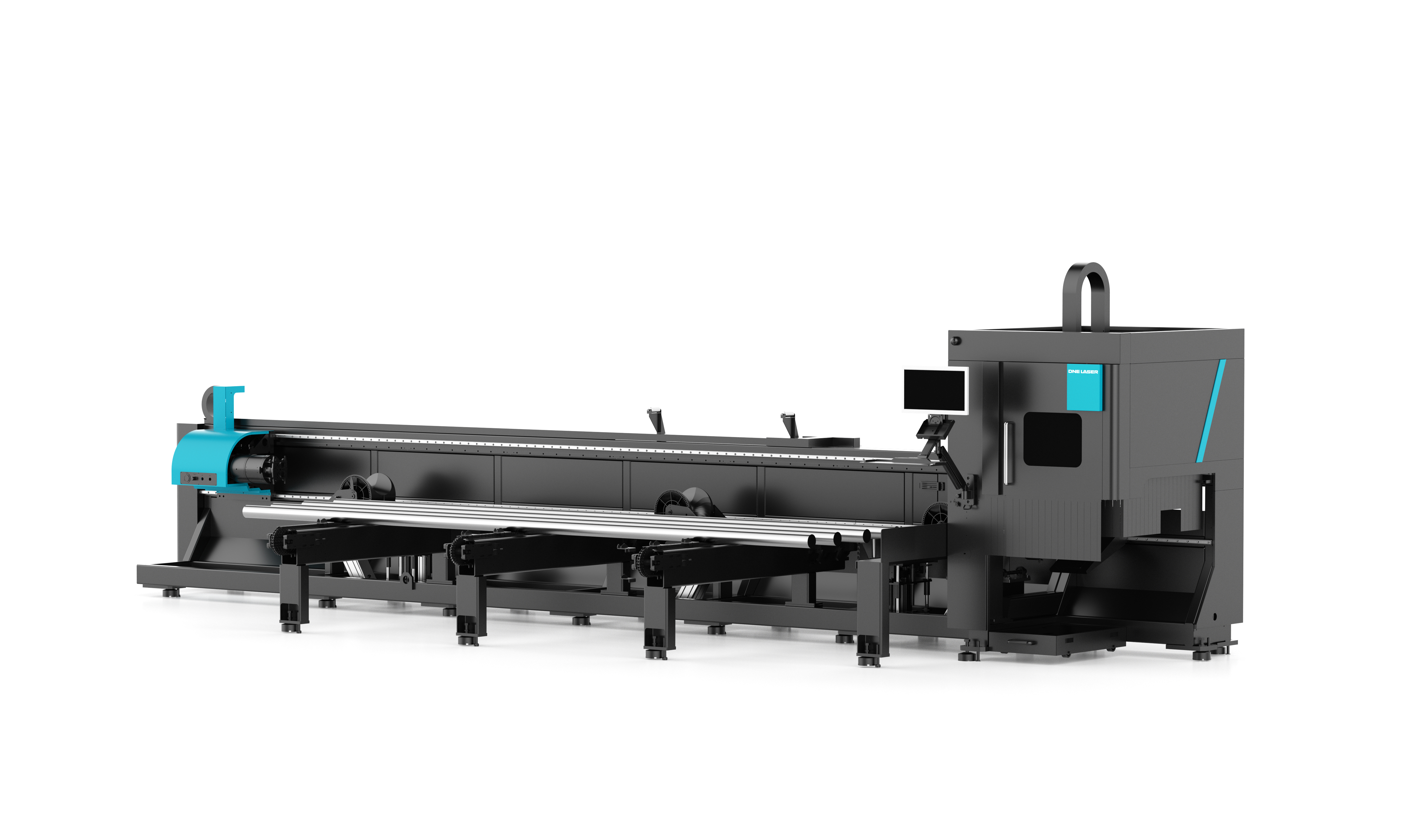
In the precision machining field of modern manufacturing, fiber optic cutting machines, with their advantages of high precision, high speed, and high adaptability, have become core equipment in industries such as metal processing and automobile manufacturing. Their core principle is to utilize a fiber laser to generate a high-energy-density laser beam. Through precise optical path transmission and focusing, the material is instantly melted or vaporized. This is then combined with a CNC system and auxiliary gas to complete the cutting process. The entire process integrates the coordinated operation of optical, mechanical, and electronic technologies.

The fiber laser is the "power core" of the fiber optic cutting machine, and its operation is based on the principle of stimulated emission. The laser uses glass fiber doped with rare-earth elements such as ytterbium and erbium as the gain medium. Pump light emitted from a semiconductor pump source is injected into the fiber, exciting rare-earth ions to transition from low energy levels to high energy levels. When the ions return to the low energy level, they release coherent photons of the same frequency and direction. These photons are continuously reflected and amplified within the fiber resonant cavity, ultimately forming a laser beam with stable power and excellent beam quality. Its wavelength is approximately 1.064 micrometers, which can be efficiently absorbed by metal materials, making it crucial for achieving precise cutting.

The fiber laser is the "power core" of the fiber optic cutting machine, and its operation is based on the principle of stimulated emission. The laser uses glass fiber doped with rare-earth elements such as ytterbium and erbium as the gain medium. Pump light emitted from a semiconductor pump source is injected into the fiber, exciting rare-earth ions to transition from low energy levels to high energy levels. When the ions return to the low energy level, they release coherent photons of the same frequency and direction. These photons are continuously reflected and amplified within the fiber resonant cavity, ultimately forming a laser beam with stable power and excellent beam quality. Its wavelength is approximately 1.064 micrometers, which can be efficiently absorbed by metal materials, making it crucial for achieving precise cutting.

The transmission and focusing of the laser beam determine the cutting precision and efficiency. The generated laser beam is directly transmitted to the cutting head via flexible optical fiber. Compared to the mirror transmission method of traditional CO₂ lasers, fiber optic transmission not only reduces energy loss but also eliminates the need for frequent optical path calibration, improving equipment stability. A collimating lens inside the cutting head first corrects the diverging laser beam into parallel light, and then a focusing lens focuses it into an ultra-fine spot with a diameter of less than 0.1 mm, causing a sharp increase in energy density at the focal point, reaching over 10⁶ W/cm², sufficient to allow metal materials to reach melting or vaporization temperatures within microseconds.

In actual cutting, auxiliary gases and the CNC system are also required. The nozzles of the cutting head spray gases such as nitrogen and oxygen. Oxygen reacts with the metal in an oxidation reaction, releasing heat and accelerating the cutting speed; nitrogen, as an inert gas, prevents oxidation of the cut surface, ensuring a smooth cut. Meanwhile, the CNC system controls the cutting head to move along a preset trajectory via a servo motor, adjusting laser power, cutting speed, and focal point position in real time to achieve precise cutting of materials of varying thicknesses and materials. Its positioning accuracy reaches 0.05mm, with a repeatability of only 0.03mm. Furthermore, the equipment's chiller continuously cools the laser and cutting head, preventing high-temperature damage to optical components and ensuring long-term stable operation.

Compared to traditional flame cutting and plasma cutting, the non-contact processing method of fiber optic cutting avoids material deformation, and its electro-optical conversion efficiency reaches approximately 30%, three times that of CO₂ lasers, combining energy saving and high efficiency. It is precisely this precise coordination of laser generation, transmission, focusing, and CNC control that enables fiber optic cutting machines to meet the high-precision, high-speed processing requirements of modern manufacturing, becoming a crucial support for industrial intelligent upgrading.
niu_icon01.png
Request A Quote
Name
E-mail*
Phone or WhatsApp*
Country*
City*
Company
Cutting Material*
Machine Type*
Message
Submit Now
Product List
Submit information
Submit Now