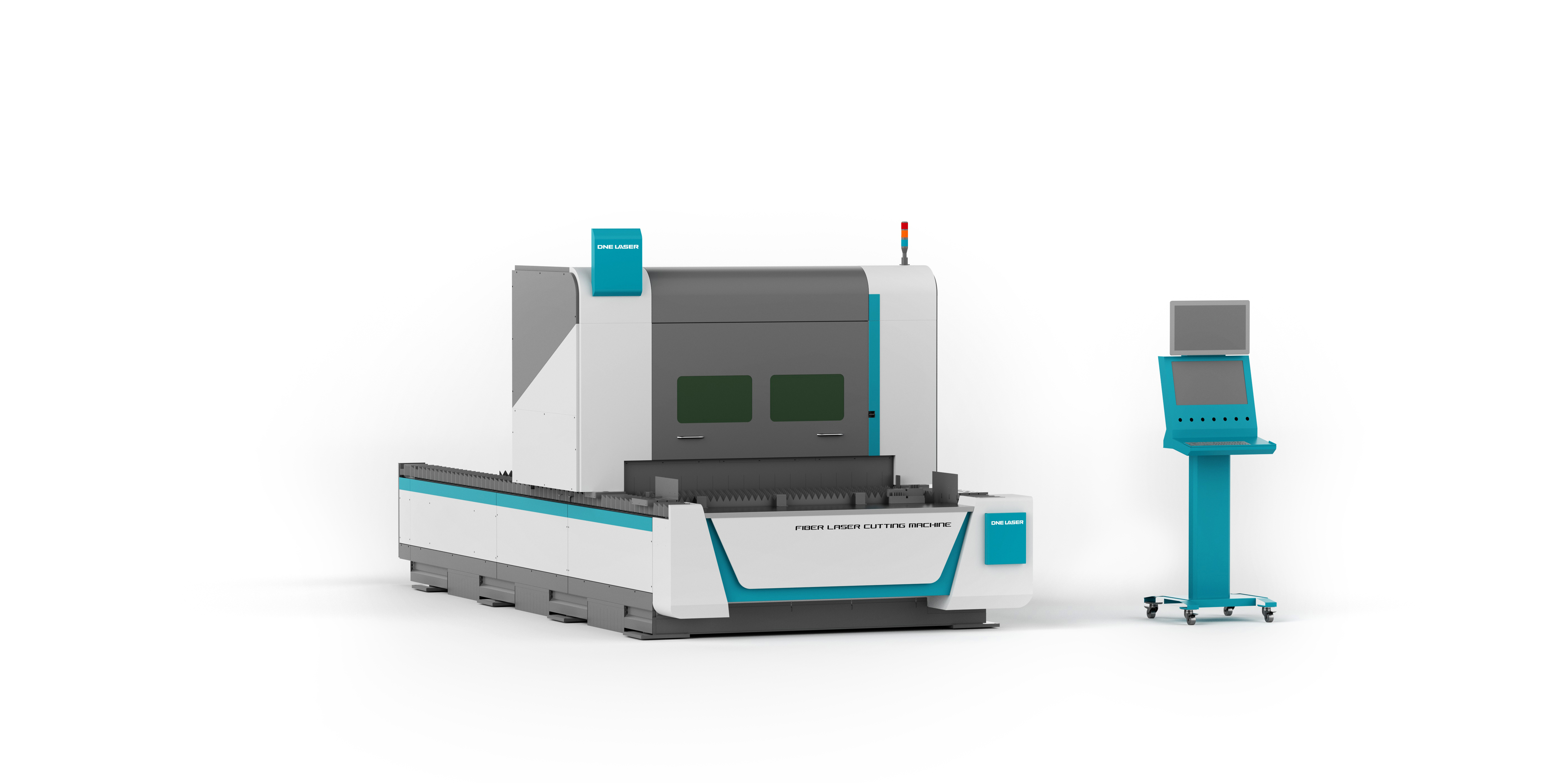
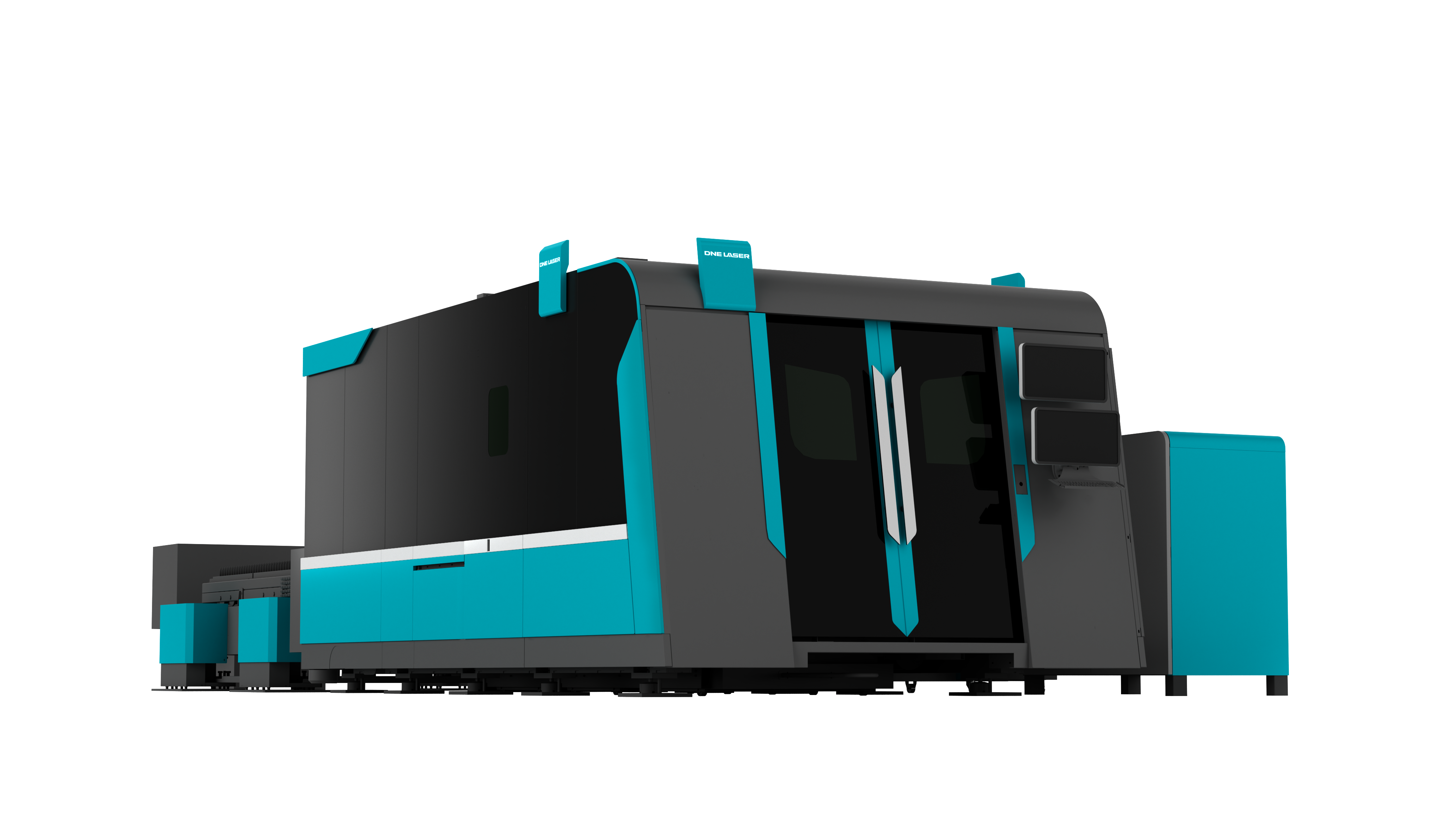
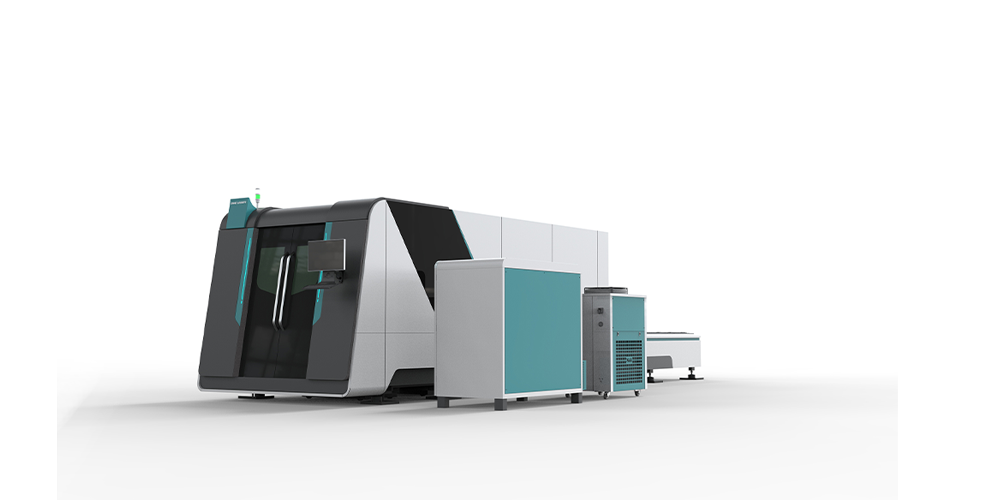
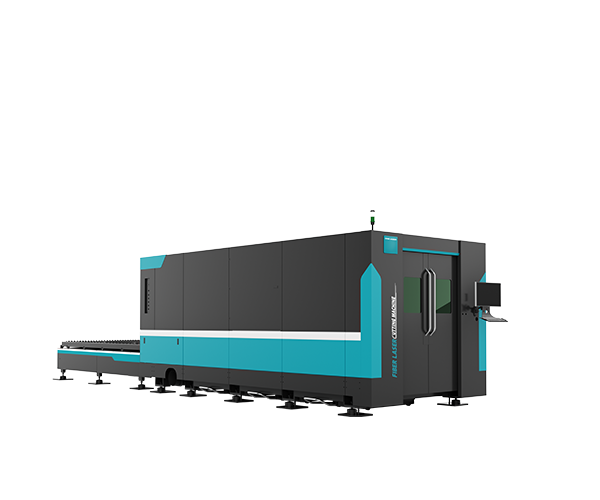
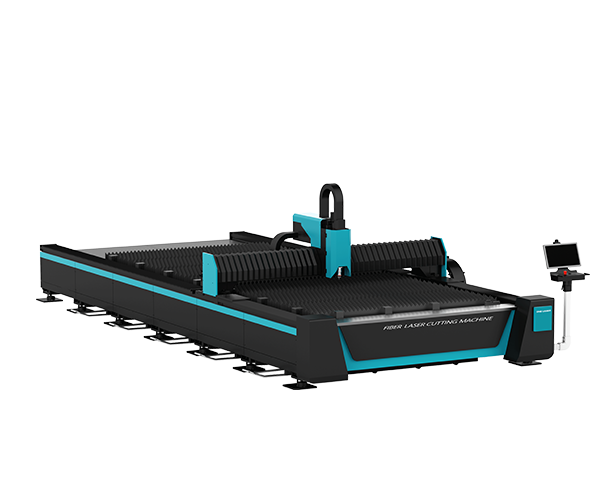
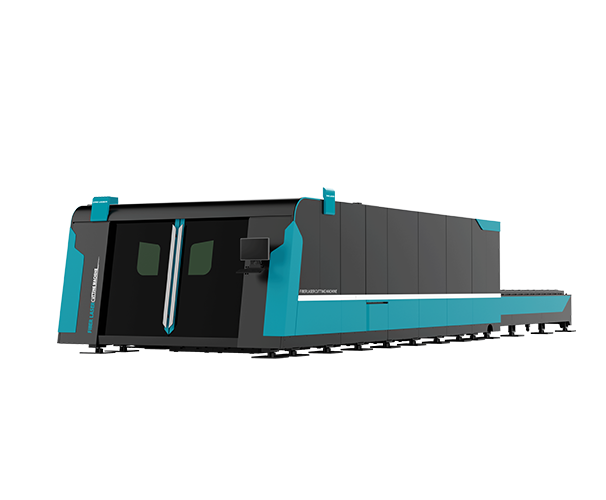
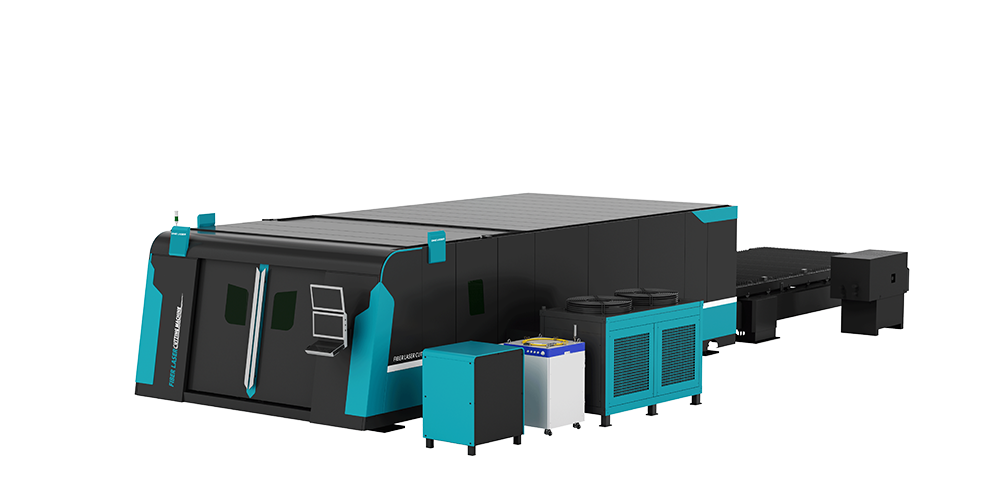
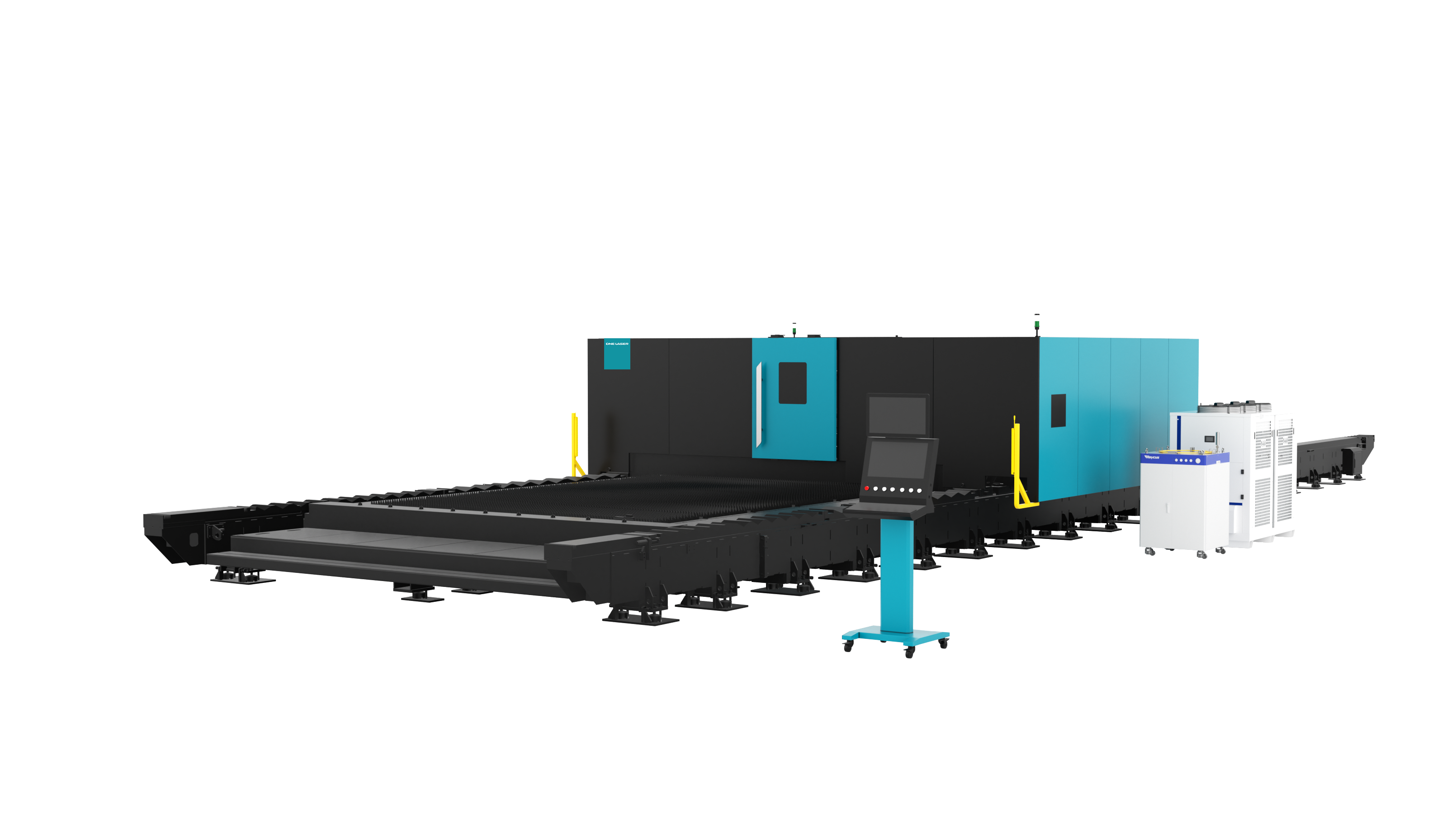
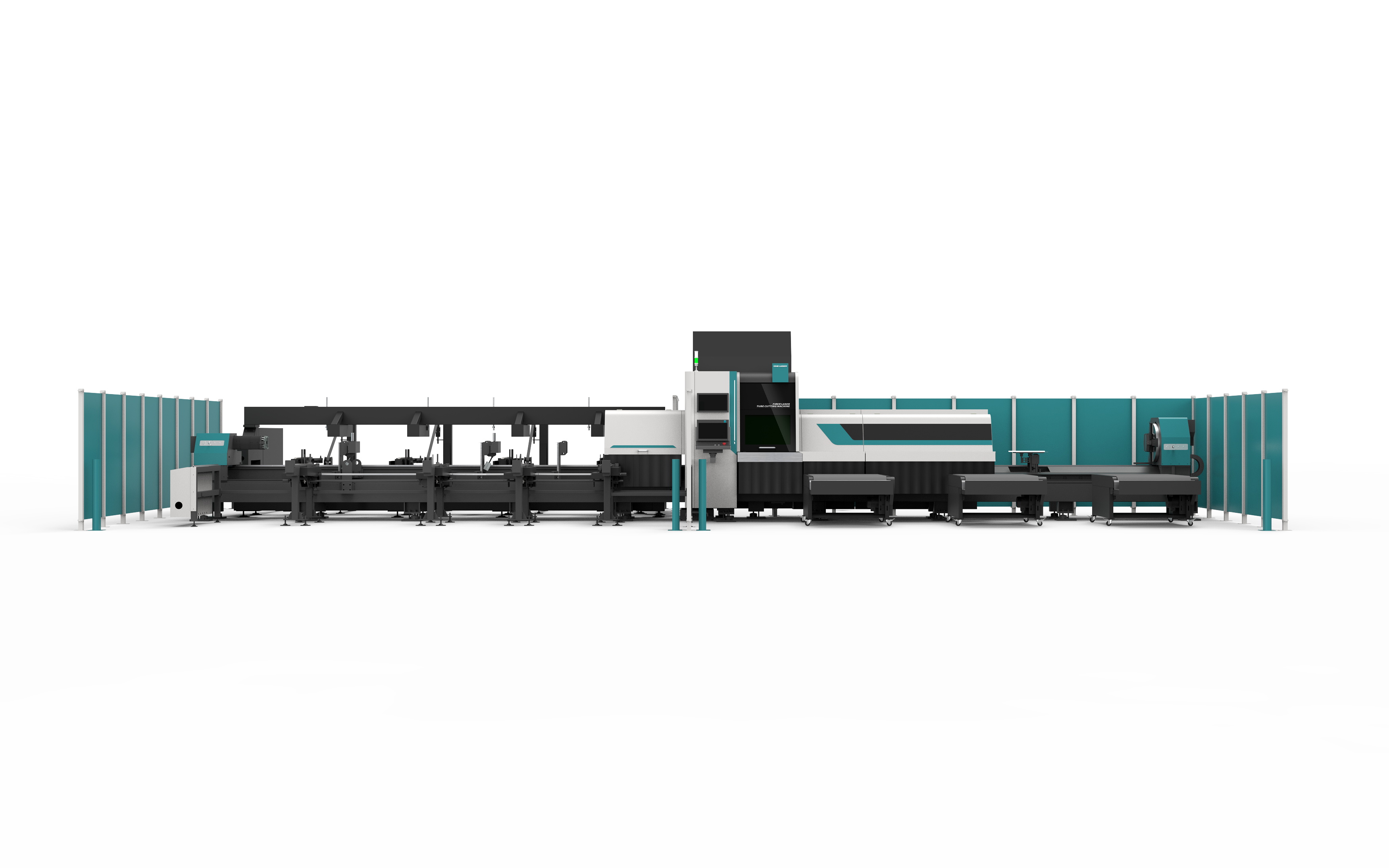
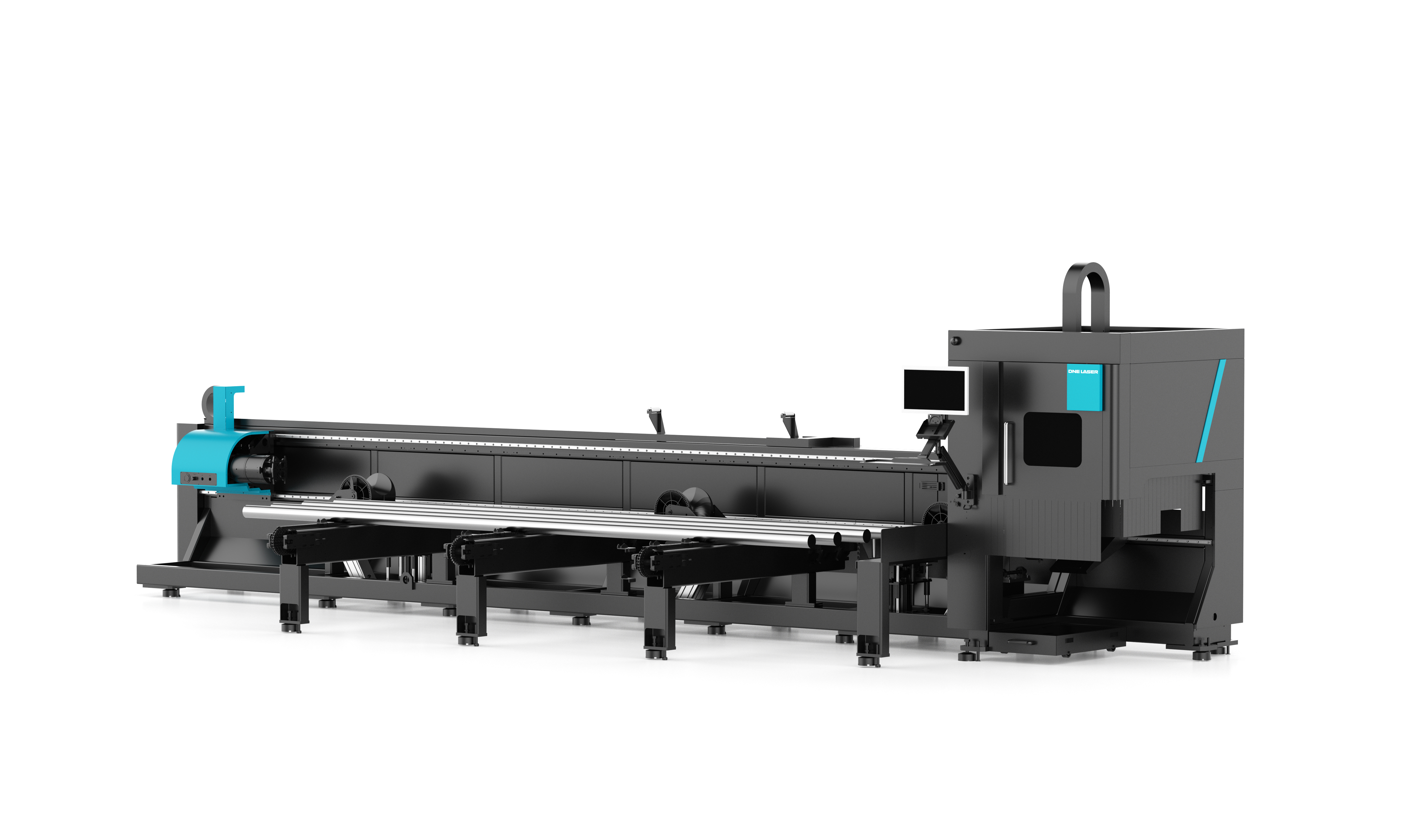
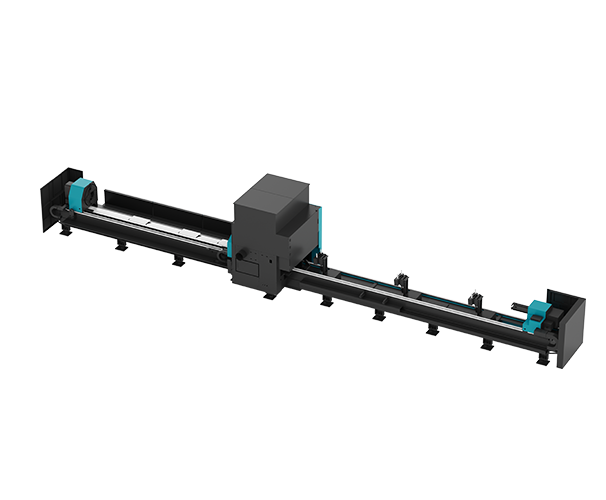
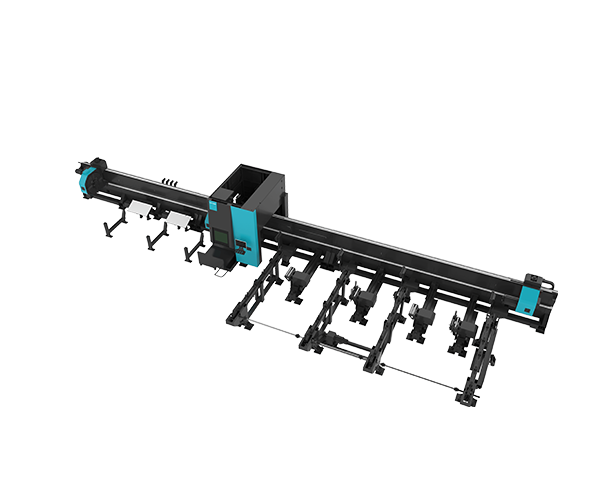
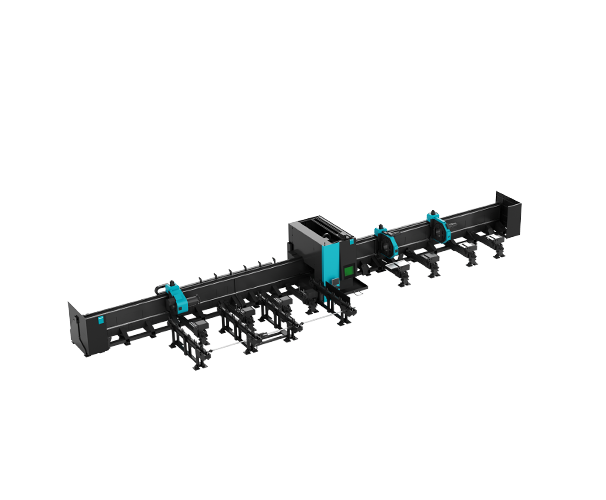
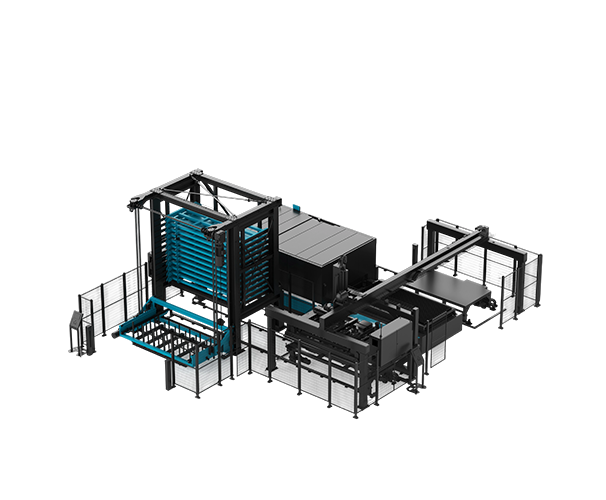
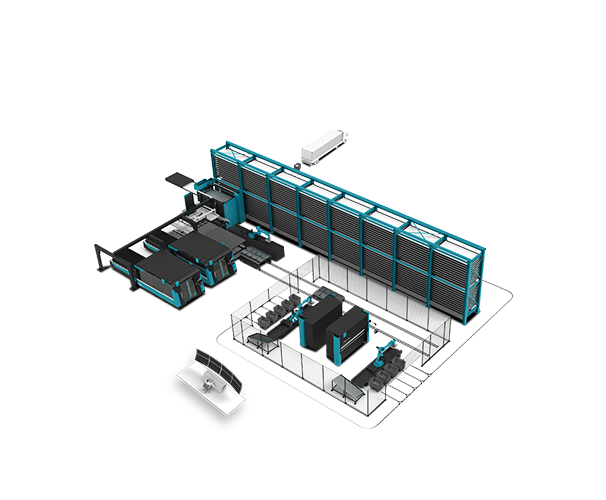
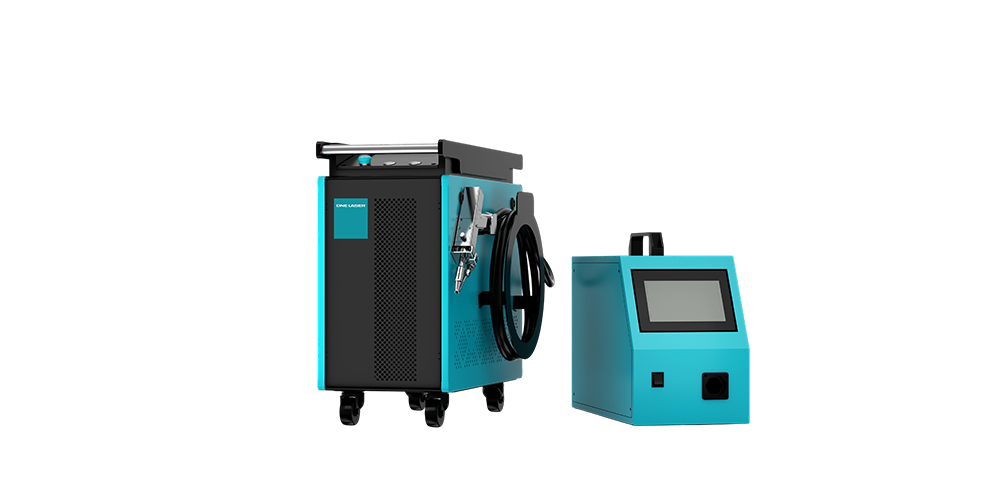
In the modern metal processing field, the performance of cutting equipment directly determines production efficiency and product quality. Fiber laser cutting machines, with their unique technical principles and superior performance, are gradually replacing traditional cutting equipment and becoming the mainstream choice in sheet metal processing, automotive parts manufacturing, and precision instrument production. Their core advantages are reflected in the following aspects:
I. High Cutting Precision and Excellent Processing Quality
Fiber laser cutting machines use a high-energy-density laser beam as the cutting source, with the laser spot diameter controllable at the micrometer level, enabling ultra-fine cutting operations. Whether it's complex irregular patterns, tiny part contours, or high-precision drilling and grooving processes, it can complete them accurately. Simultaneously, fiber laser cutting is a "non-contact processing" method; the laser head has no physical contact with the workpiece during the cutting process, eliminating mechanical stress and effectively avoiding workpiece deformation and scratches. The cut surface of the workpiece is smooth and flat, without burrs or slag, and the heat-affected zone is minimal. Subsequent extensive grinding and polishing are unnecessary, significantly improving the overall quality of the finished product.
II. High Cutting Speed and Significantly Improved Production Efficiency
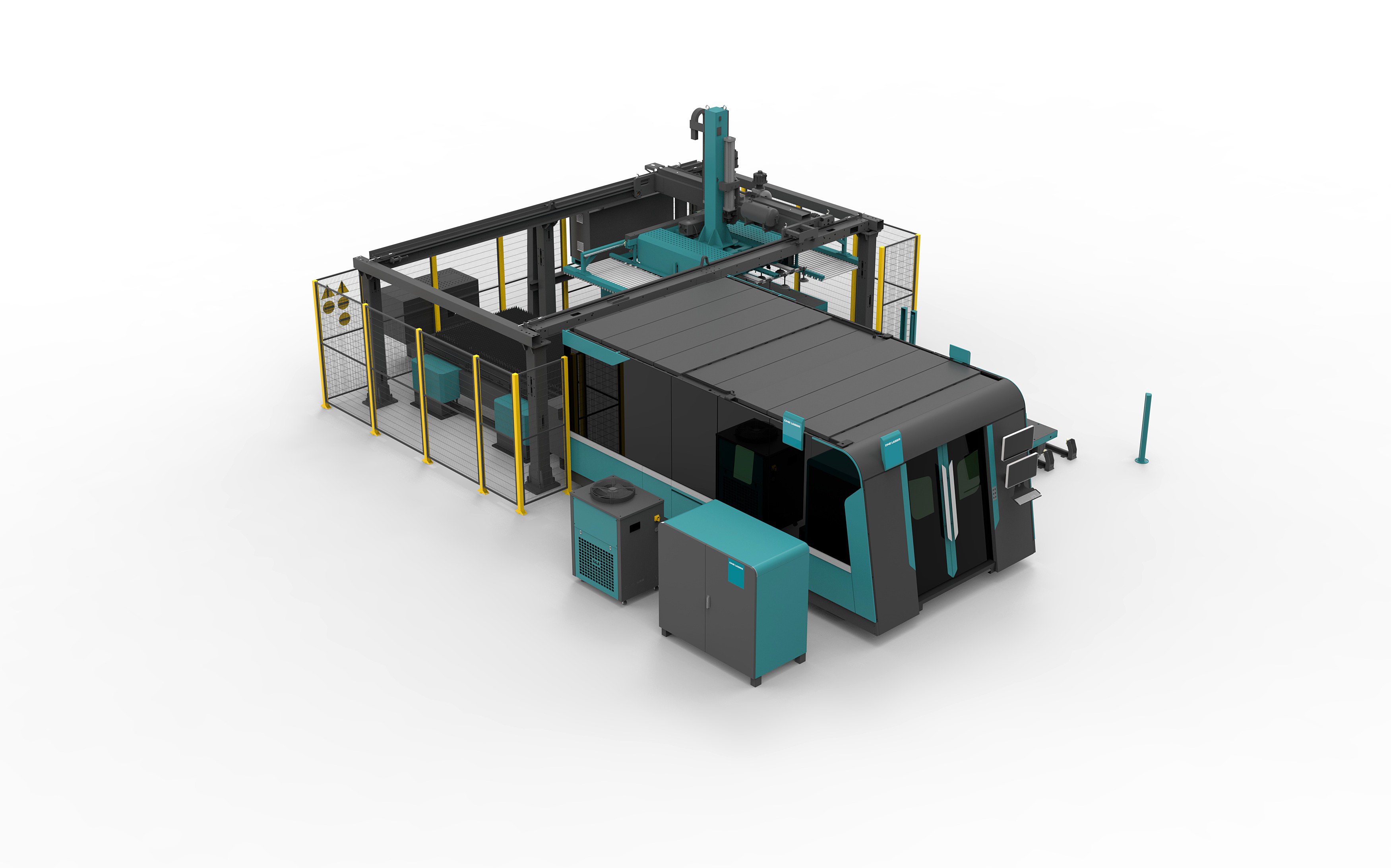
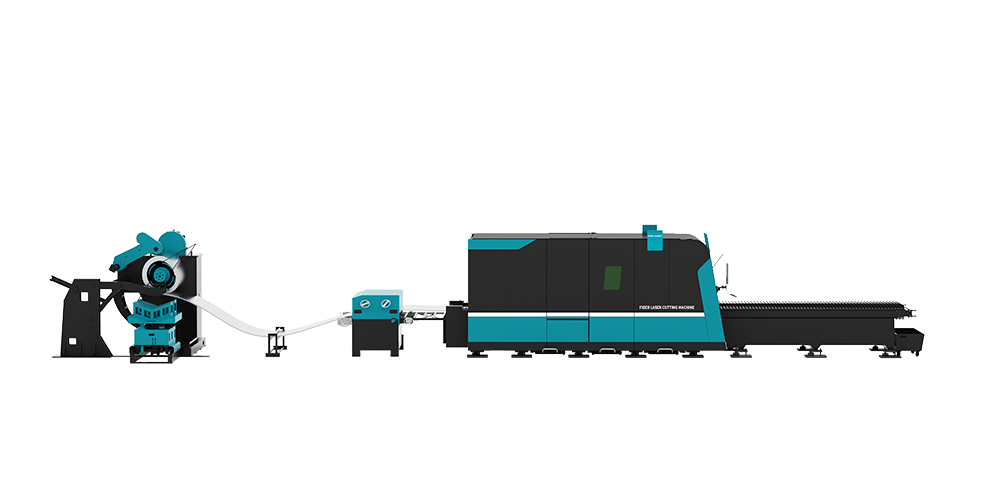
Compared to traditional flame cutting, plasma cutting, and early CO₂ laser cutting, fiber laser cutting machines offer higher energy conversion efficiency and stronger laser beam focusing, enabling them to melt and vaporize materials at a much faster pace. When cutting thin metal sheets, their speed can be several times faster than traditional equipment; even when cutting medium-thick plates, they maintain high processing efficiency. Furthermore, fiber laser cutting machines can be equipped with automatic feeding and automatic layout systems to maximize raw material utilization and enable uninterrupted batch processing, effectively shortening production cycles and helping companies improve order fulfillment capabilities.
III. Wide Applicability and Strong Material Compatibility
Fiber laser cutting machines have extremely strong compatibility with metal materials. Whether it's common metals such as carbon steel, stainless steel, aluminum alloys, and copper, or special metals such as titanium alloys and nickel alloys, they can all be cut efficiently. They can adapt to processing plates of varying thicknesses, from ultra-thin metal sheets of 0.1mm to thick plates of tens of millimeters; simply adjusting the laser power and cutting parameters can meet processing needs. This broad material adaptability allows fiber laser cutting machines to cover the processing needs of multiple industries, greatly enhancing the equipment's practicality and flexibility.
IV. Low Energy Consumption, Economical Operation and Maintenance Costs
From an operating cost perspective, the photoelectric conversion efficiency of fiber lasers far exceeds that of CO₂ lasers, and energy consumption is only 1/3 to 1/2 that of traditional CO₂ laser cutting machines. Long-term use can significantly reduce electricity expenses for enterprises. In terms of maintenance, the structure of fiber laser cutting machines is relatively simple, lacking the complex optical path system of CO₂ laser cutting machines. Frequent adjustments to reflectors, lenses, and other optical components are unnecessary, reducing maintenance frequency and complexity. The equipment's vulnerable parts are mainly small components such as protective lenses and nozzles, which are inexpensive and easy to replace, further reducing daily maintenance costs and saving enterprises significant production expenses.
V. High Degree of Intelligence, Convenient and Safe Operation
With the development of industrial automation technology, modern fiber laser cutting machines are generally equipped with advanced CNC systems, supporting direct import of CAD/CAM graphics, enabling automatic programming, automatic layout, and automatic cutting. Operators only need to input relevant parameters, and the equipment can autonomously complete the processing task, requiring relatively low technical skills from operators. Simultaneously, the equipment is equipped with a comprehensive safety protection system, such as a laser shield and emergency braking device, effectively preventing laser radiation from harming operators and ensuring a safe and stable production process.
Under the major trend of manufacturing transformation and upgrading, fiber laser cutting machines, with their core advantages of high precision, high efficiency, and low cost, are becoming an important force driving the metal processing industry towards refinement and intelligence. Whether for small and medium-sized processing enterprises or large manufacturing plants, introducing fiber laser cutting machines can significantly enhance core competitiveness and gain a competitive edge in the fierce market competition.