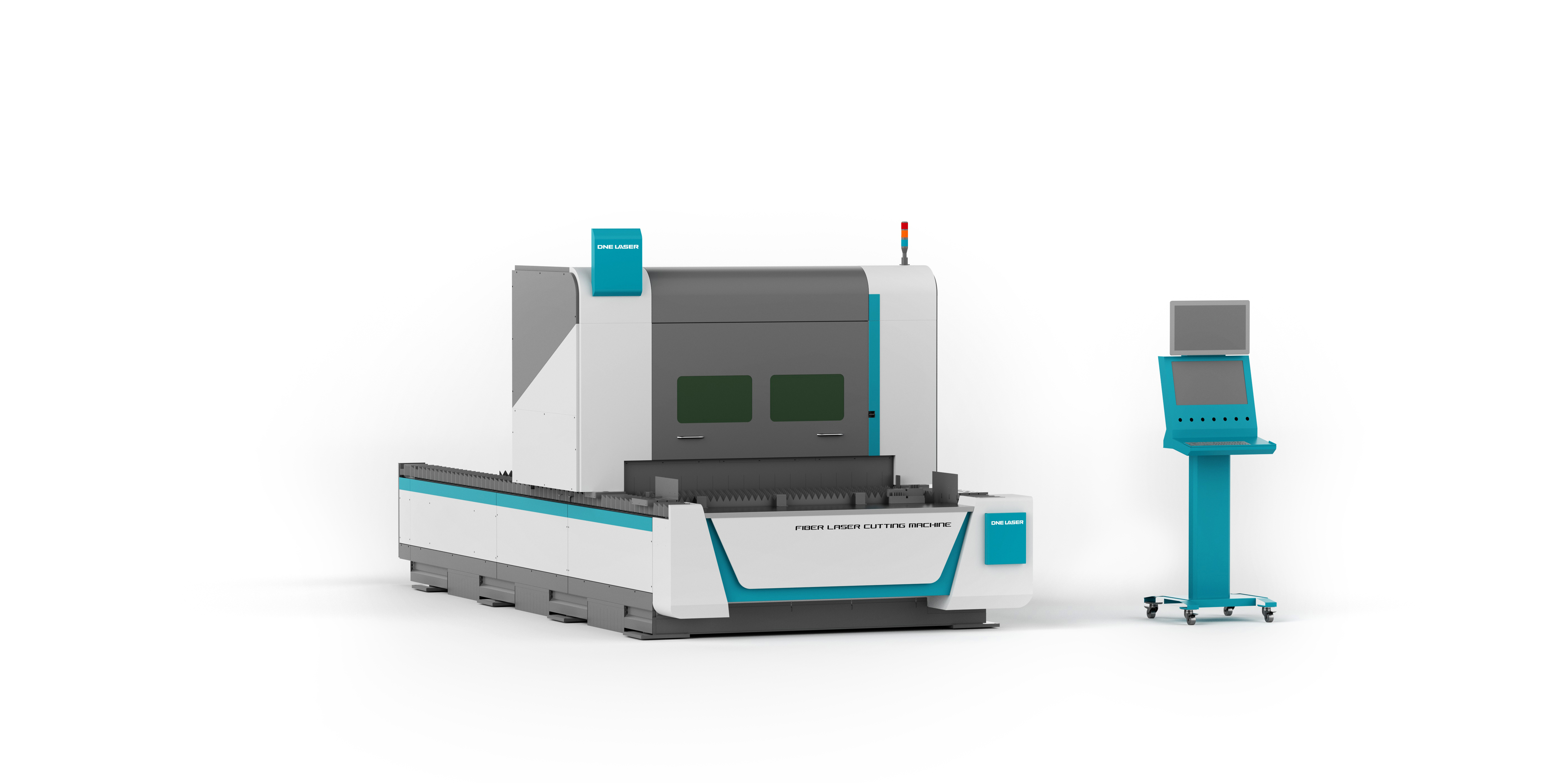
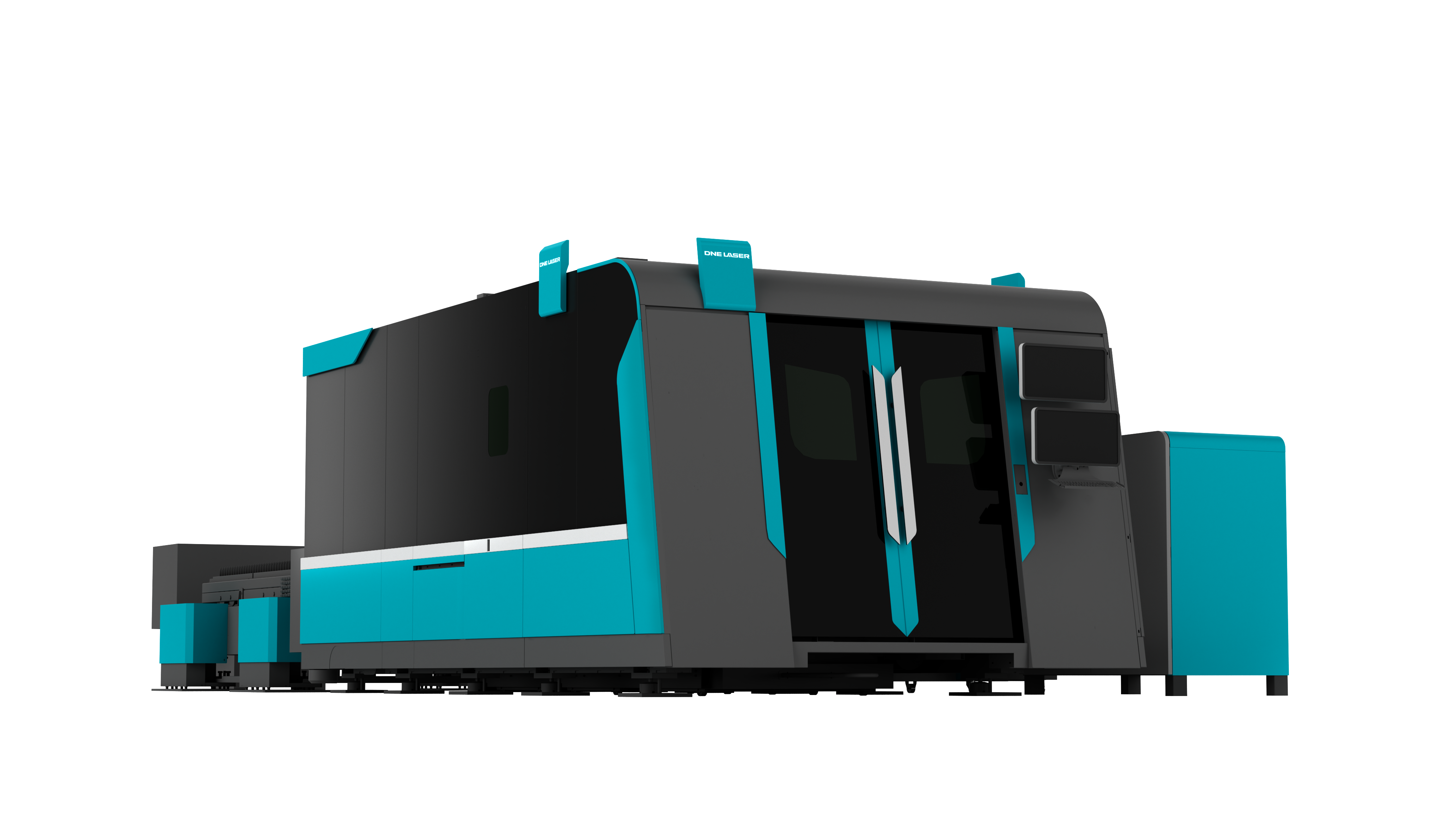
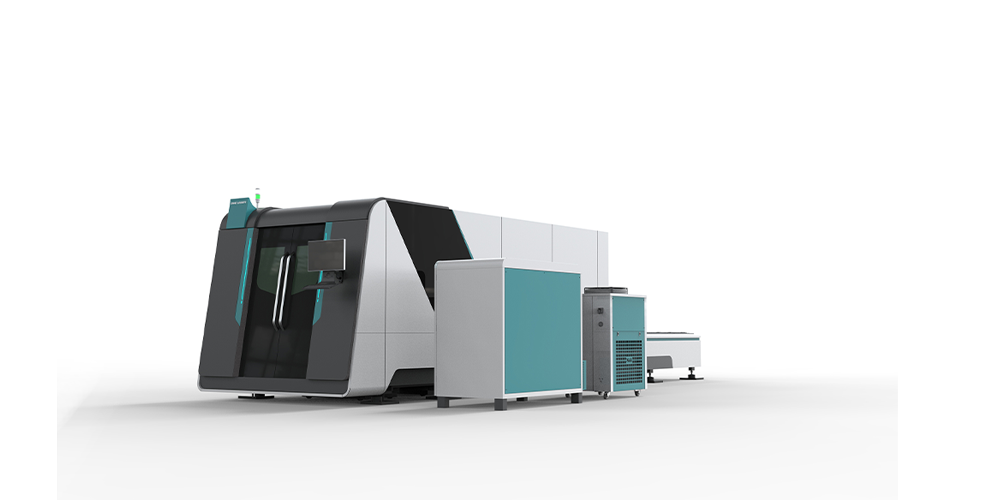
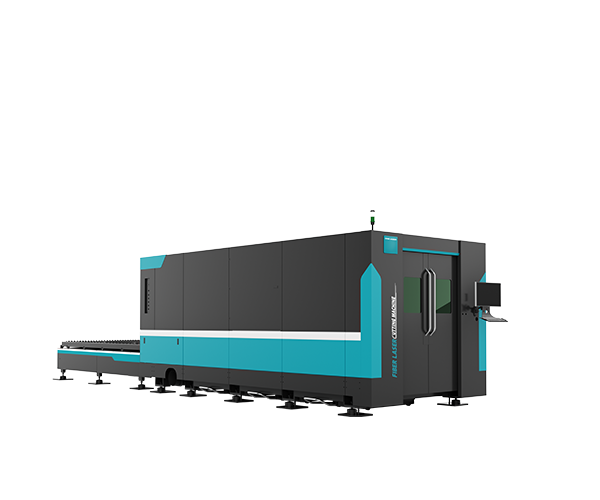
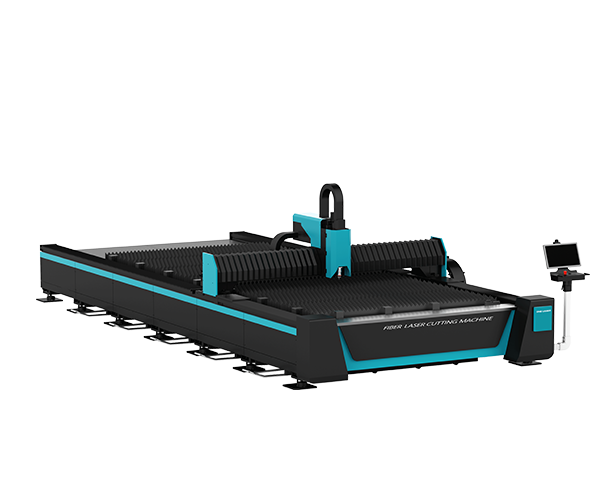
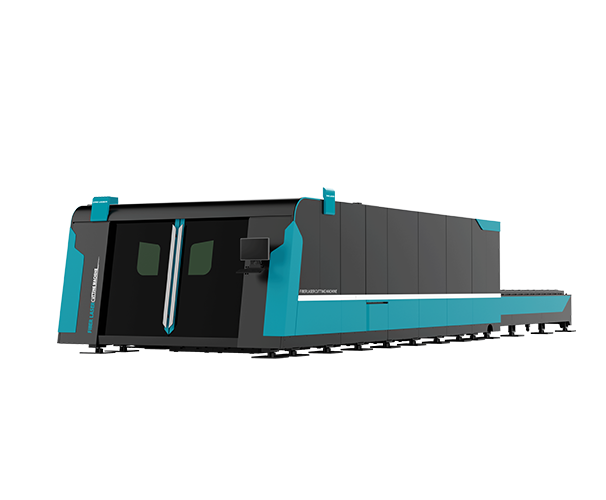
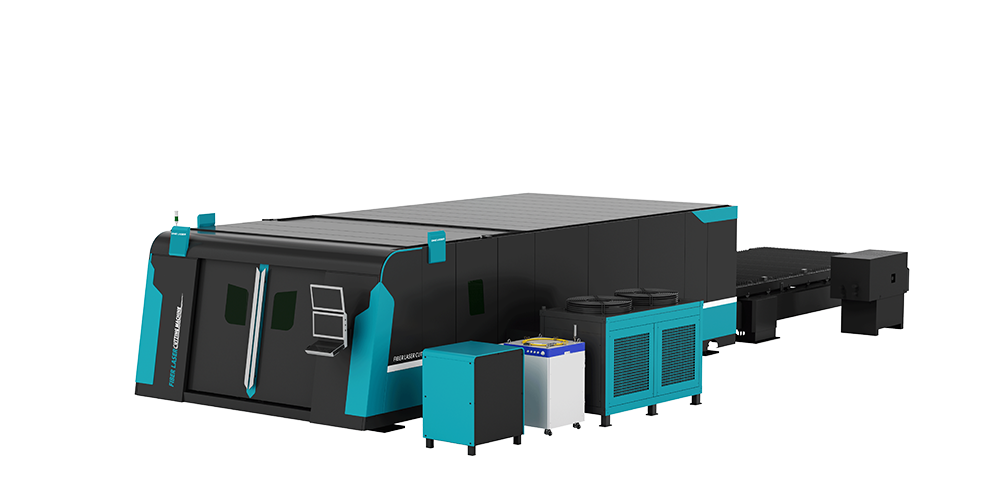
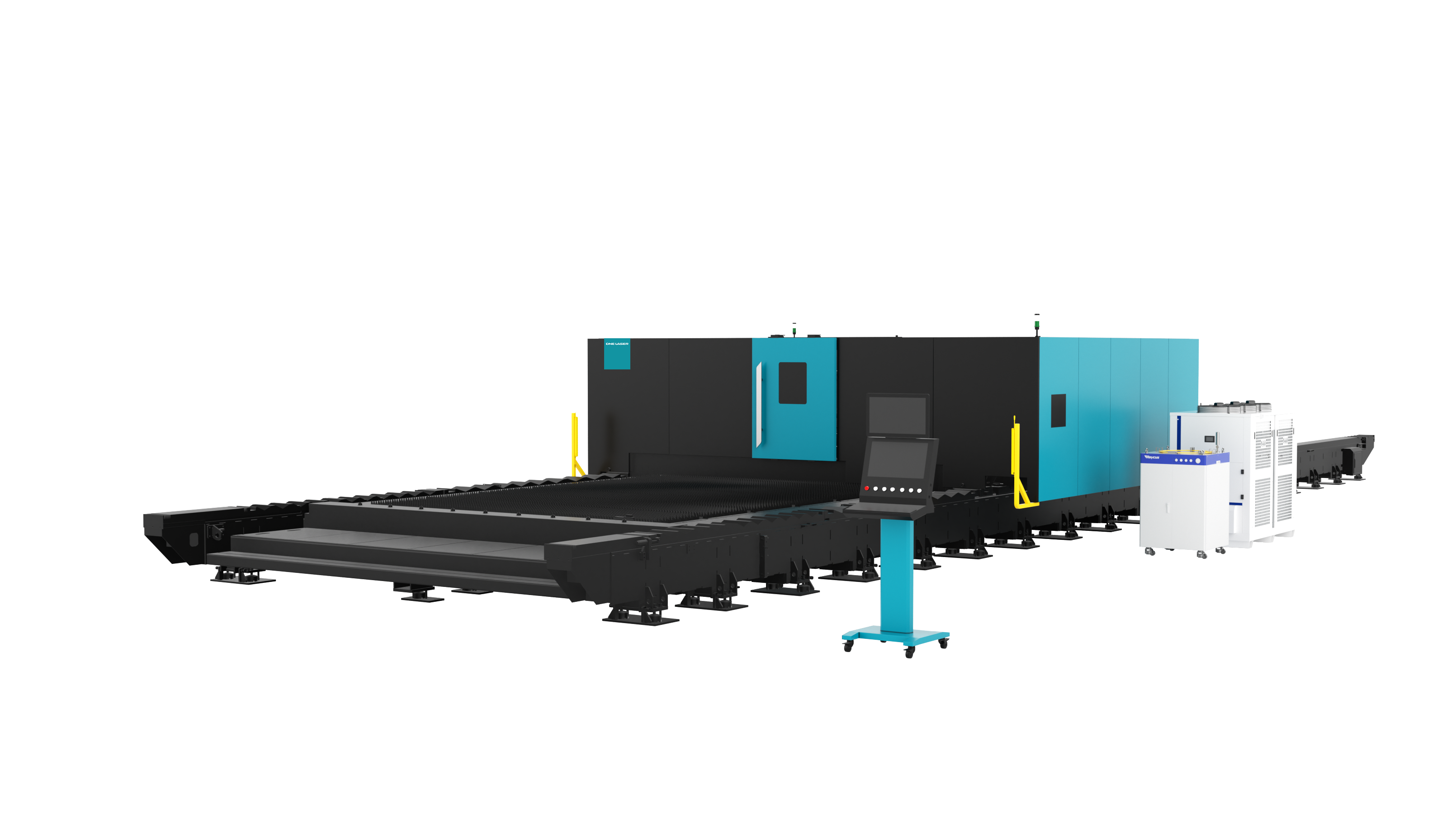
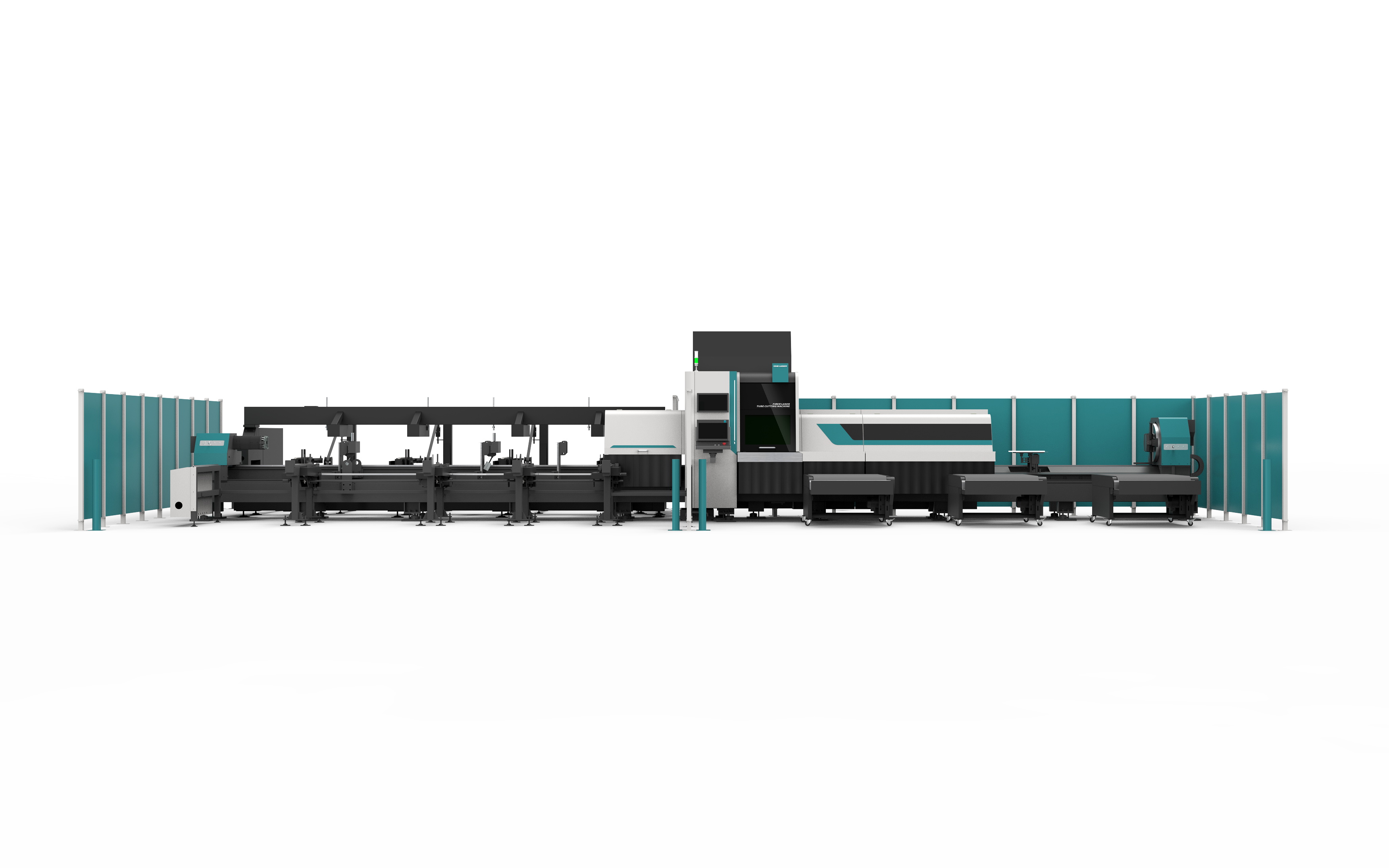
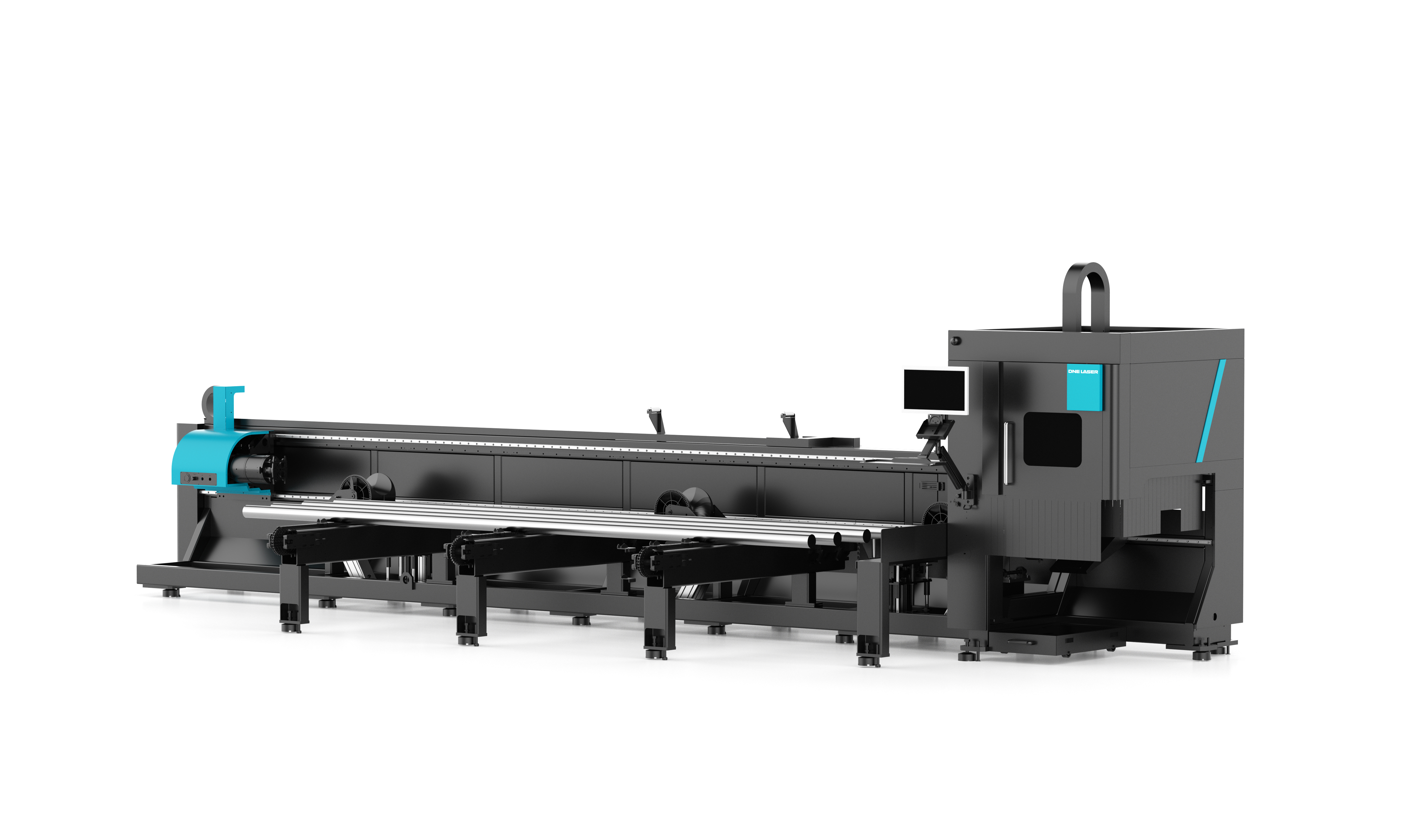
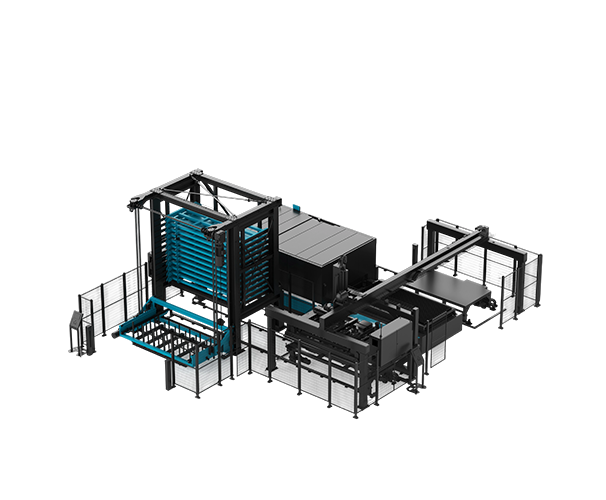
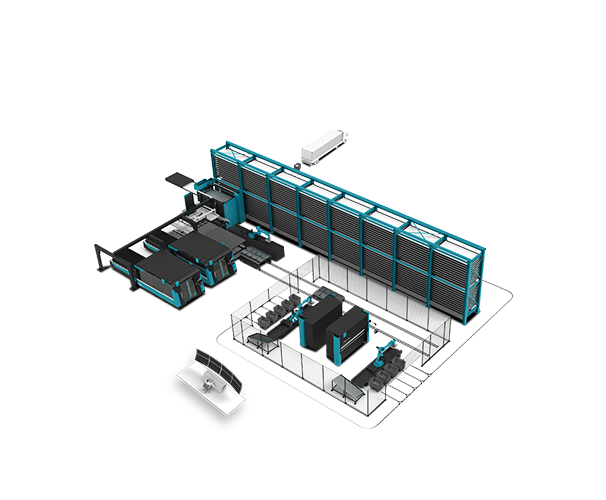
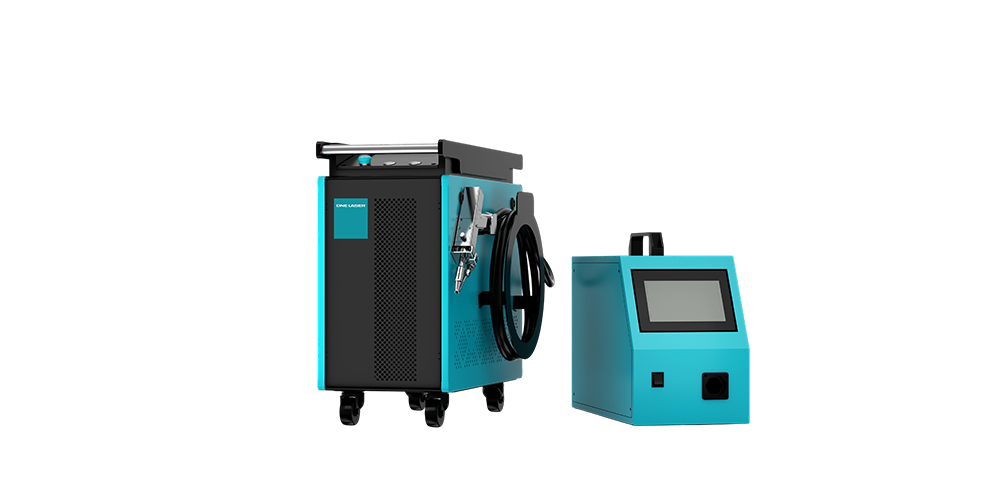
In the current era of rapid development in intelligent manufacturing technology, laser cutting machines, with their core advantages of non-contact processing, high precision, and high efficiency, have broken through the limitations of traditional cutting equipment, becoming a key processing tool spanning multiple fields and injecting strong momentum into the production upgrades of various industries.
Electronics 3C Sector: Precision Empowering Micro-Processing
The electronics 3C industry has stringent requirements for processing precision and efficiency, and the application of laser cutting machines in this field is truly a "precision expert." For core components of products such as mobile phones and computers, it can complete irregular-shaped cutting of flexible printed circuit boards (FPCs), fine grooving of camera module brackets, and micron-level cutting of battery electrodes. Its non-contact processing method does not cause mechanical damage to fragile electronic components, effectively improving product yield. At the same time, laser cutting machines are compatible with automated production lines, enabling batch processing and meeting the production needs of the consumer electronics industry for rapid product iteration and high output.
Automotive Manufacturing Sector: High Efficiency Facilitating Lightweight Production
The trend of large-scale and lightweight development in the automotive manufacturing industry makes laser cutting machines an indispensable processing tool. In the vehicle body manufacturing process, it can efficiently cut lightweight materials such as high-strength steel and aluminum alloys, and precisely cut complex components such as chassis and door frames, ensuring dimensional accuracy and assembly compatibility. For core components of new energy vehicles, laser cutting machines can also be used to process motor stators and rotors, as well as cut battery pack casings, with processing efficiency more than 30% higher than traditional equipment, helping automakers reduce costs and increase efficiency.
Aerospace: Overcoming Special Material Processing Challenges
The aerospace field has extremely stringent requirements for the material and precision of parts. Laser cutting machines, with their powerful performance, have overcome numerous processing challenges. For special materials such as titanium alloys and high-temperature alloys, it can achieve deformation-free and burr-free cutting by adjusting laser power and cutting speed, meeting the processing needs of core components such as spacecraft shells and engine turbine blades. Furthermore, for thin-walled, complex curved surface parts in the aerospace field, the CNC system of the laser cutting machine can precisely control the cutting trajectory, ensuring the structural strength and stability of the components.
Diverse Applications: Flexible Adaptation to Personalized Needs
Beyond core industrial sectors, laser cutting machines are widely used in medical devices, advertising signage, and other industries. In the medical device field, they can perform precision drilling of surgical instruments and personalized customization of orthopedic implants; in the advertising signage field, they can cut irregular shapes from materials such as acrylic and stainless steel to create diverse signs and designs.
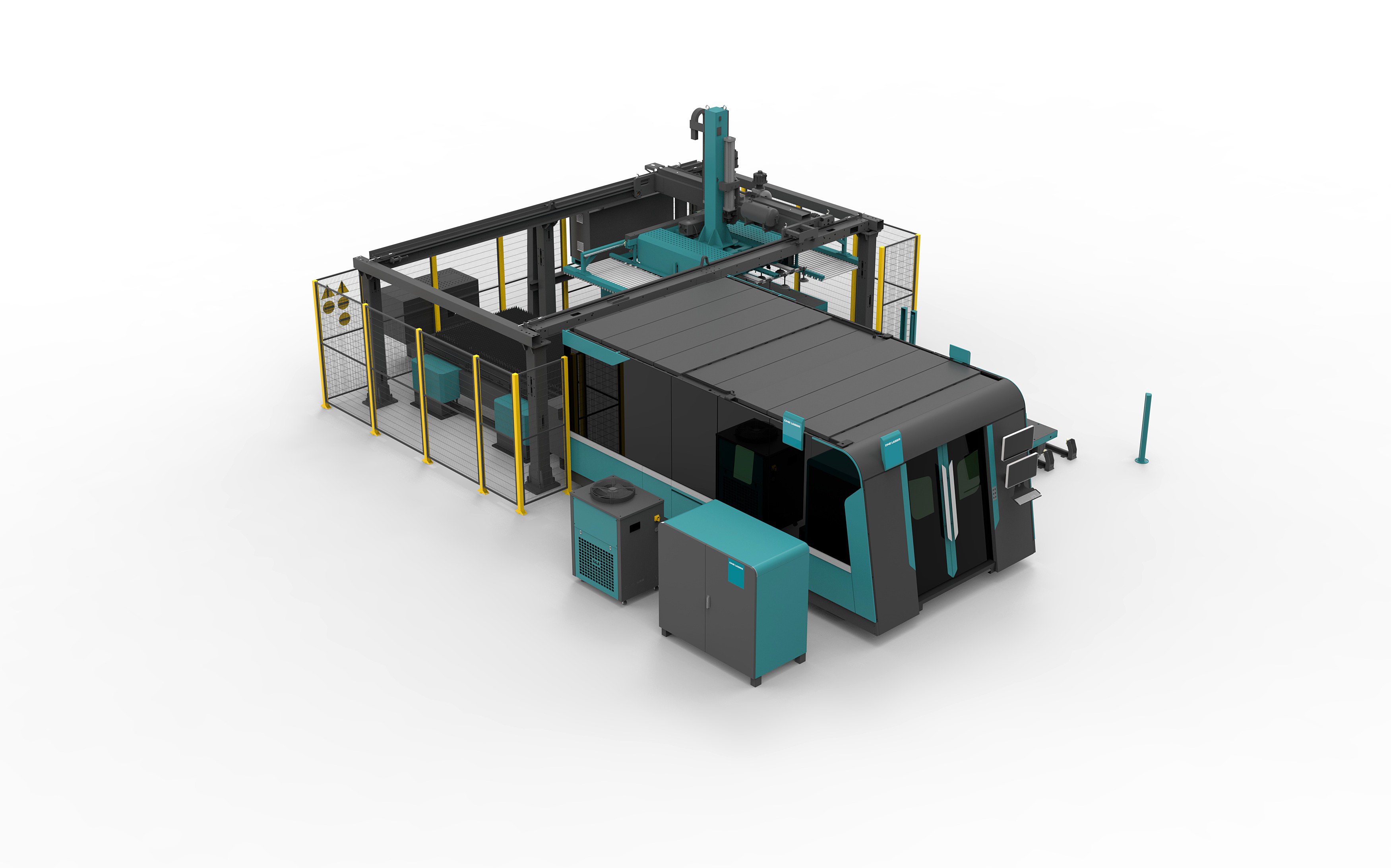
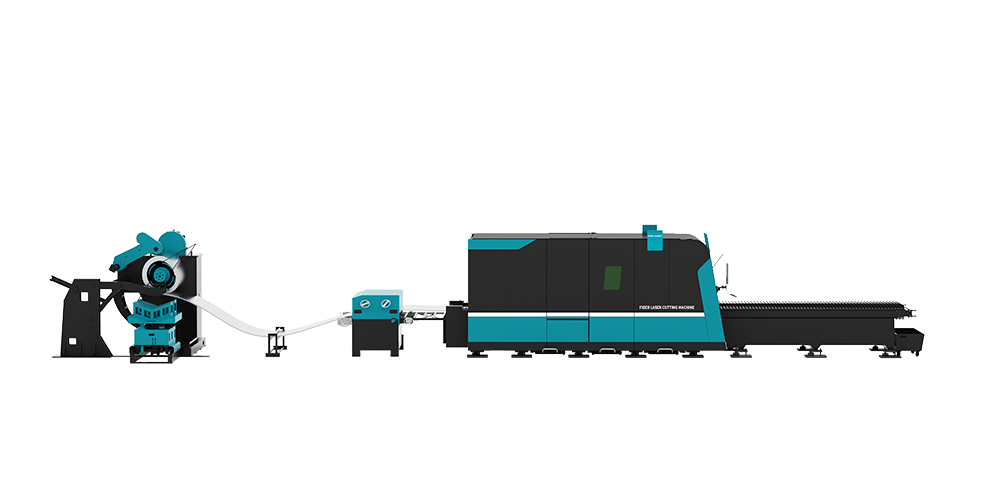
From microelectronic components to large aerospace parts, the application scenarios of laser cutting machines continue to expand. With the continuous integration of intelligent technologies, laser cutting machines equipped with AI visual positioning and automatic layout systems are developing towards greater precision and efficiency, providing solid support for the comprehensive upgrade of intelligent manufacturing.