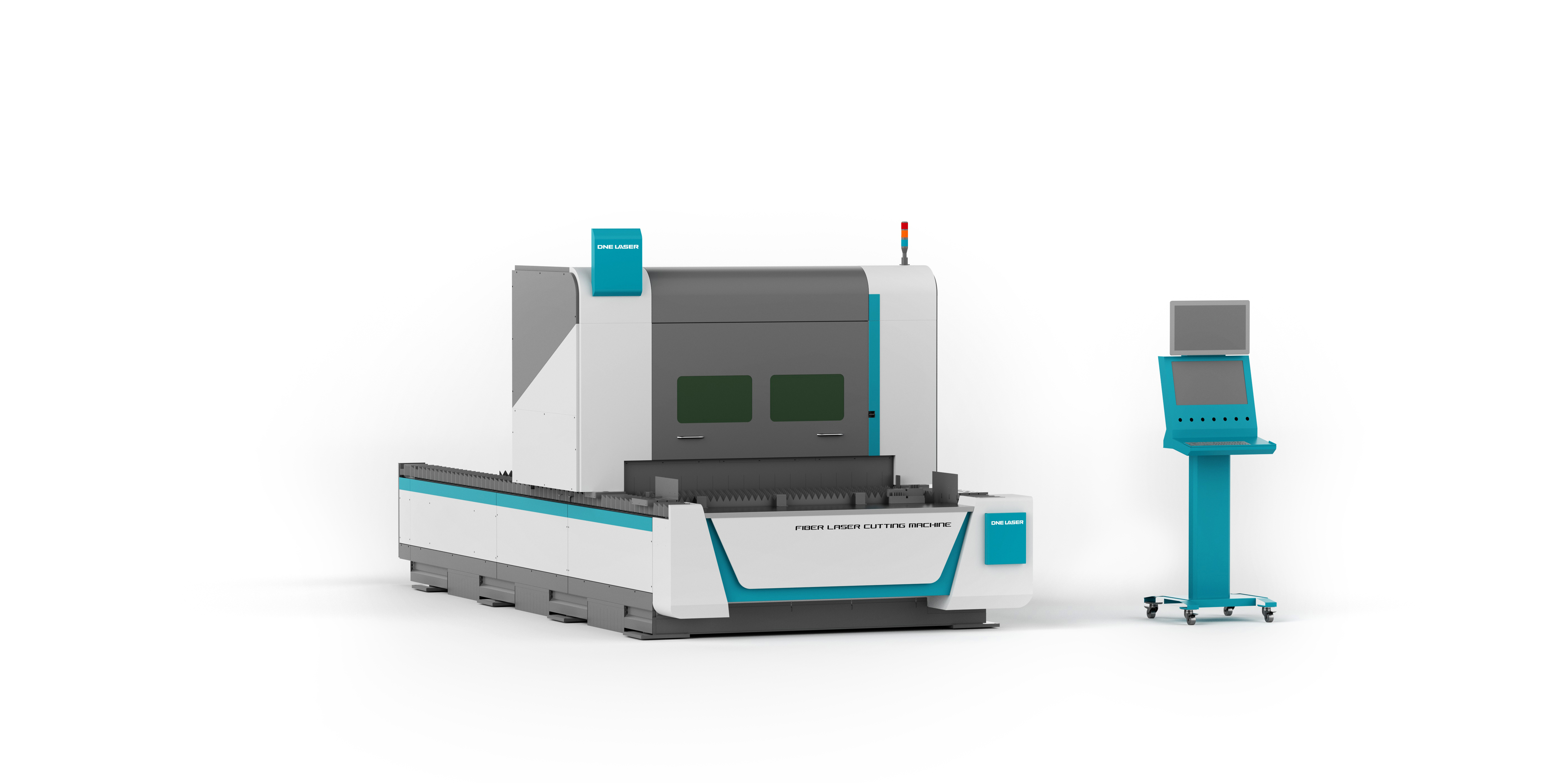
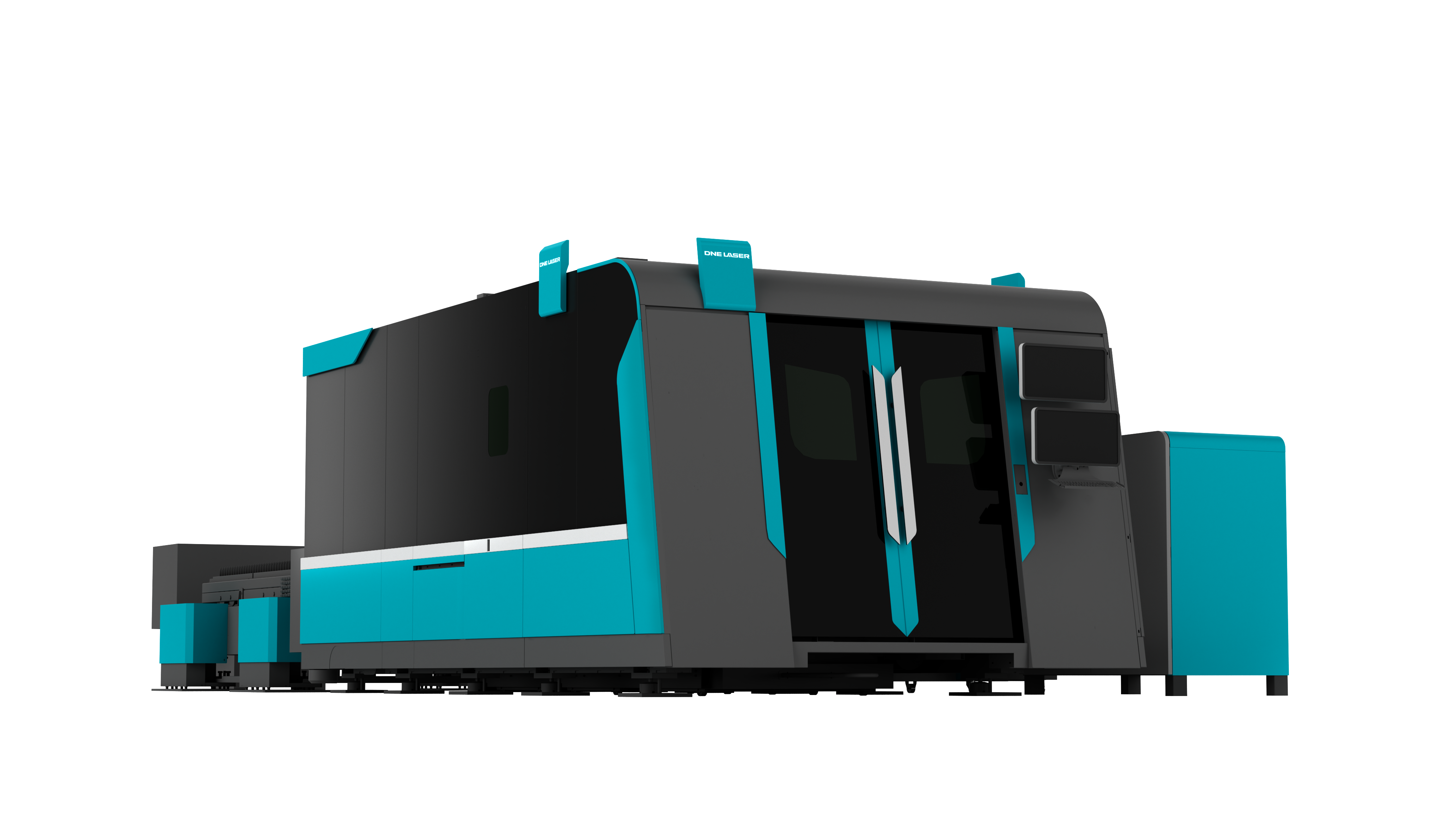
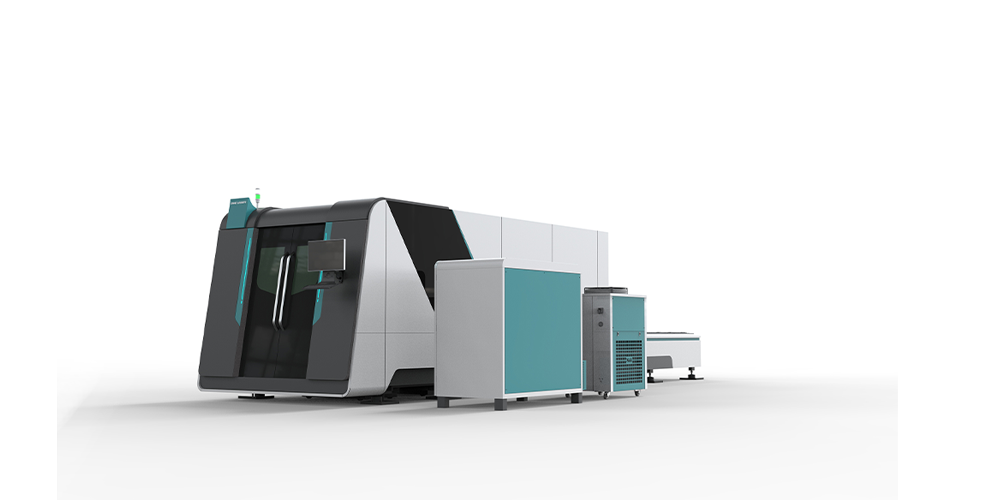
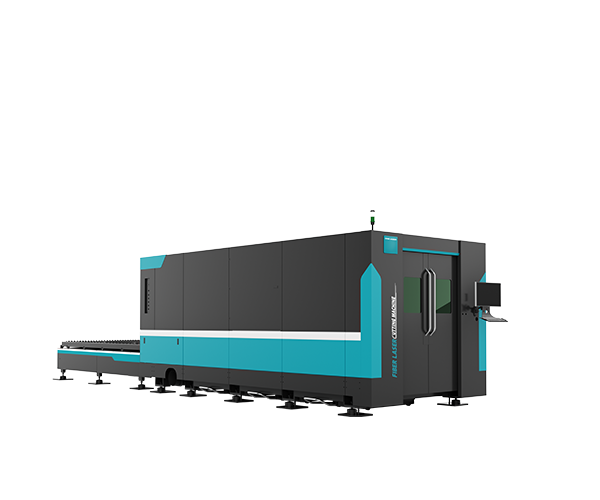
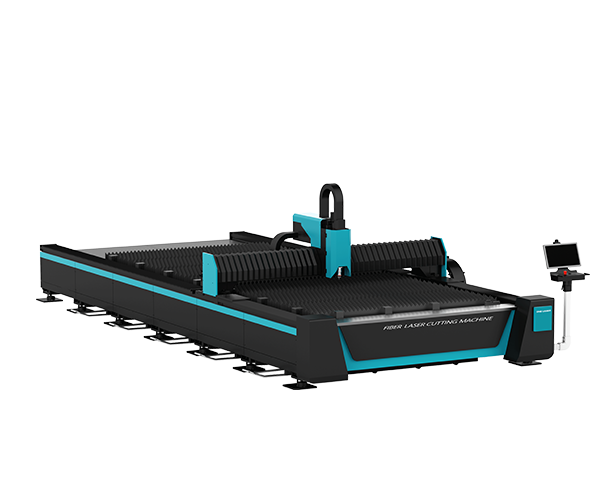
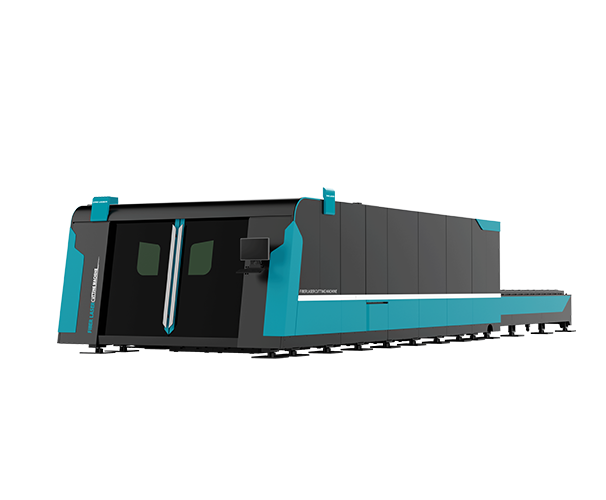
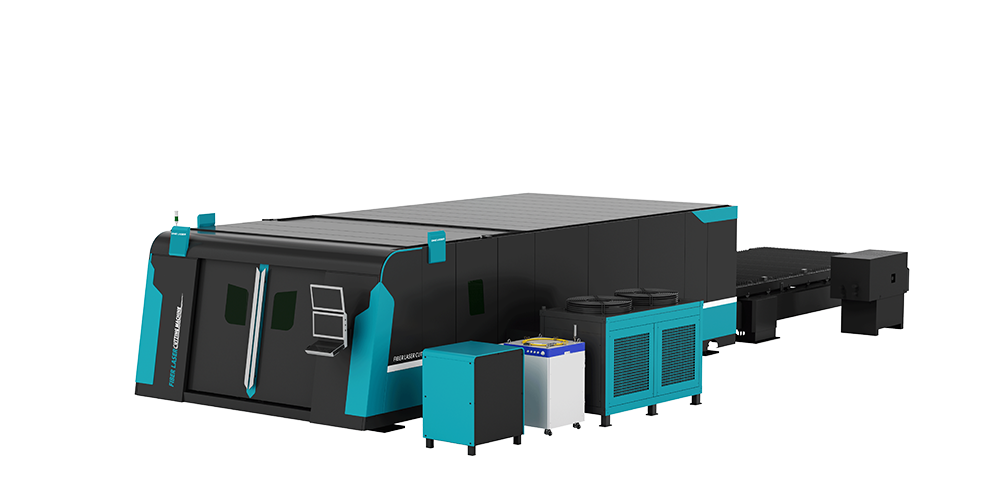
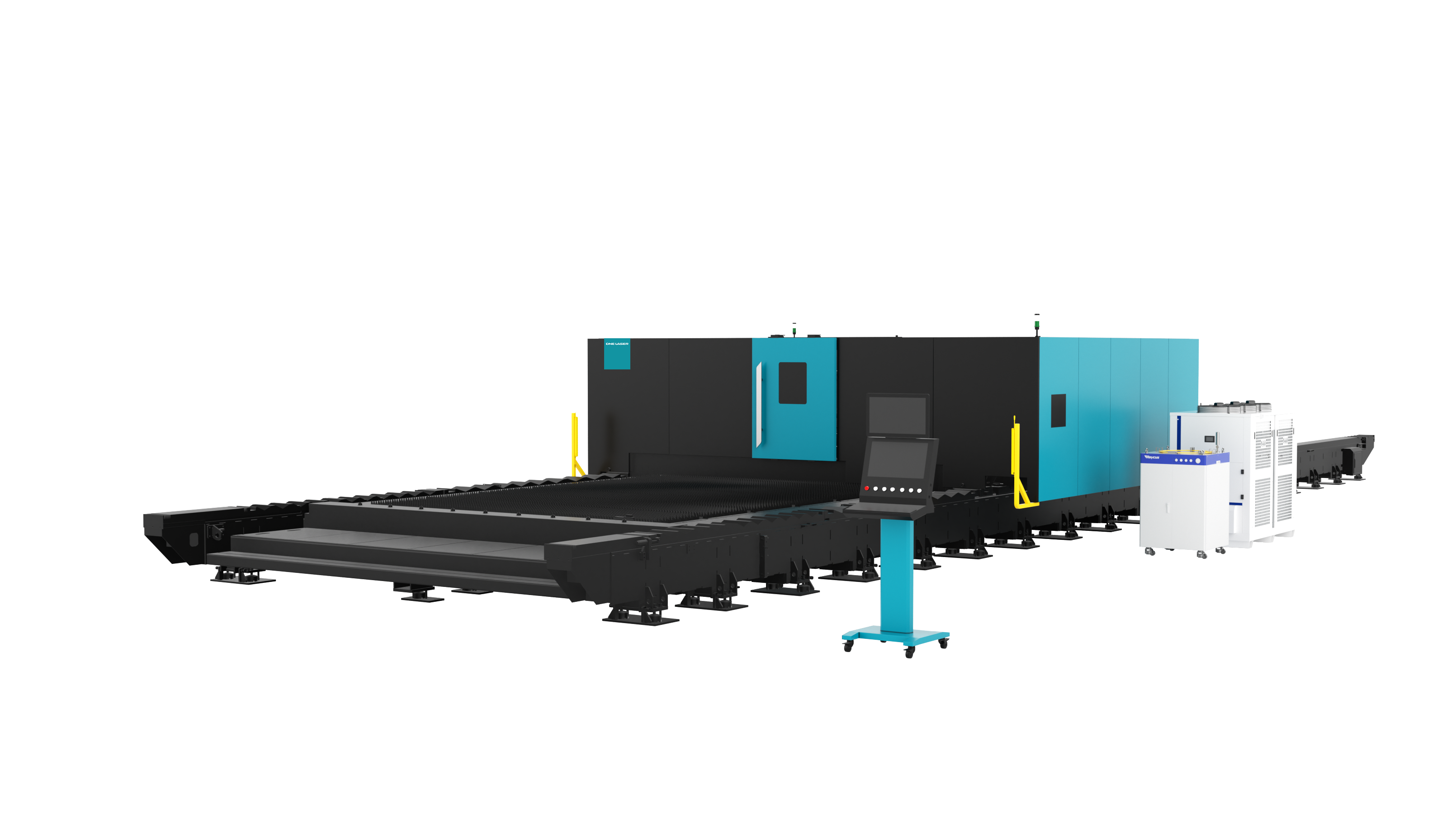
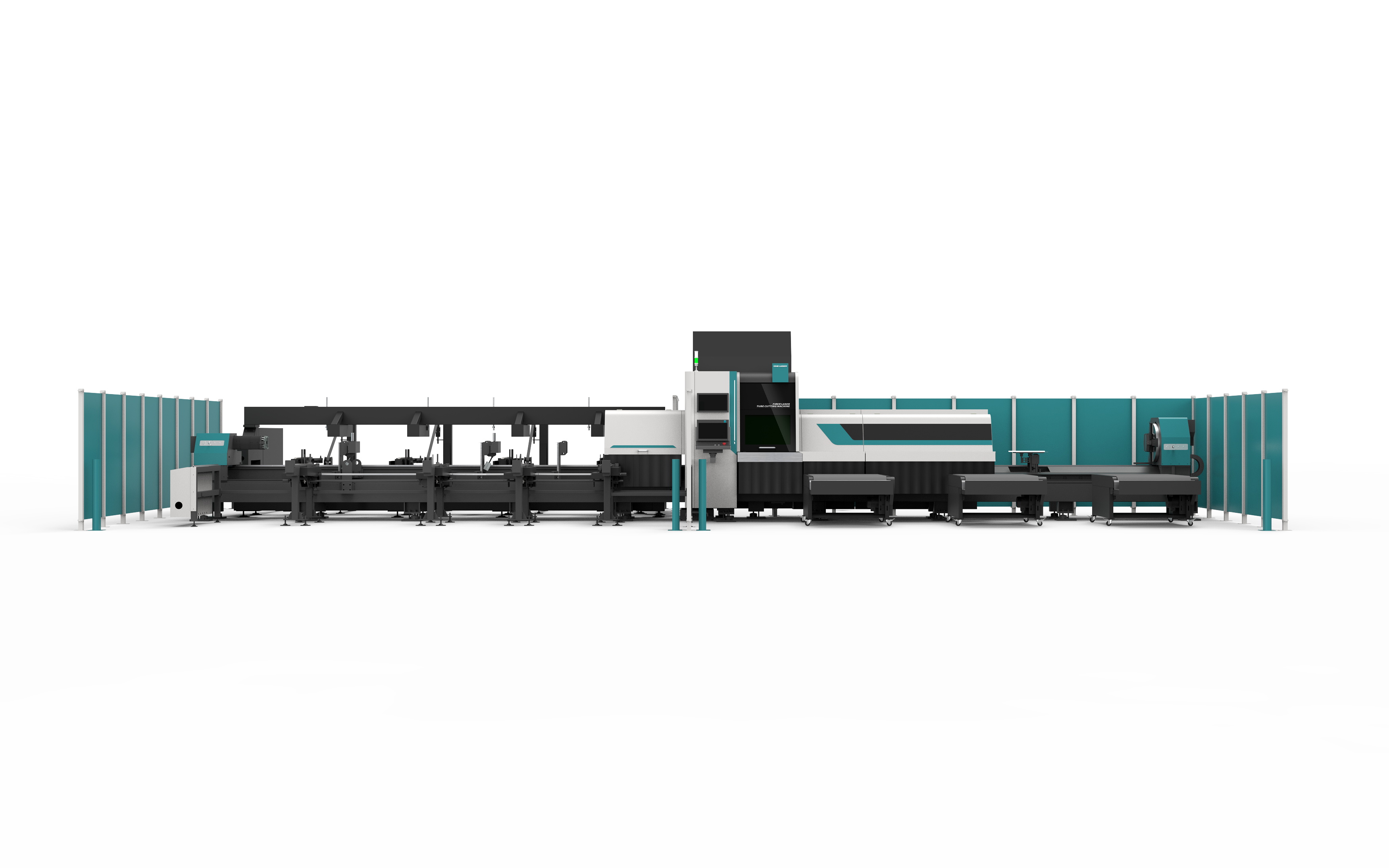
The short answer is that fiber lasers excel at cutting a wide range of metals, particularly those with high reflectivity which challenge traditional CO2 lasers. Their capability depends heavily on the laser's power (wattage), but the general range of processable materials is extensive.
These are the most commonly and effectively cut materials with fiber laser technology.
Carbon Steel (Mild Steel):
Performance: This is where fiber lasers perform best. They cut carbon steel with incredible speed and clean edges, especially in thin to medium thicknesses. The process is highly efficient, with minimal thermal distortion.
Applications: Structural frames, machinery components, enclosures, brackets, and general fabrication.
Stainless Steel:
Performance: Fiber lasers produce clean, oxidation-free cuts on stainless steel, which is vital for applications requiring corrosion resistance and a high-quality finish. Higher wattages are needed for thicker plates.
Applications: Kitchen equipment, architectural elements, medical devices, food processing machinery, and chemical tanks.
Aluminum & Aluminum Alloys:
Performance: While aluminum is highly reflective, modern high-power fiber lasers (typically 2kW and above) can cut it effectively. The key is overcoming the initial reflectivity to penetrate the material. Cutting produces a smooth edge.
Applications: Aerospace components, automotive parts, heat sinks, electronic enclosures, and signage.
Brass & Copper:
Performance: Similar to aluminum, these non-ferrous, highly reflective metals require sufficient laser power. With the right parameters, fiber lasers can achieve precise cuts, though copper's extreme thermal conductivity can be a challenge for very thick sheets.
Applications: Electrical components, decorative art, architectural details, and heat exchangers.
With the right power and settings, fiber lasers can also process these materials.
Titanium & Nickel Alloys (e.g., Inconel):
Performance: Fiber lasers cut these exotic, strong alloys effectively. It is usually done with an inert gas (like Nitrogen or Argon) to prevent oxidation and embrittlement at the cut edge, which is critical for aerospace and medical applications.
Applications: Aerospace engine parts, medical implants, and high-performance racing components.
Galvanized Steel (Zinc-Coated) & Painted/Coated Metals:
Performance: Fiber lasers can cut pre-finished metals, though the coating may vaporize and leave residues. Proper ventilation is essential. The cut quality on the base metal remains good.
It's equally important to know the limitations:
Non-Metals: Fiber lasers are not suitable for cutting wood, acrylic (plexiglass), plastic, glass, stone, or fabrics. These materials absorb the wavelength of a fiber laser poorly or burn unpredictably. For these, CO2 lasers are the standard choice.
Very Thick, Low-Reflectivity Metals: While powerful fiber lasers can cut thick steel, there is an economic and practical limit. For extremely thick sections (e.g., >30-40mm mild steel), plasma cutting might be more efficient.
Laser Power (Wattage): Higher power (e.g., 6kW, 12kW, 20kW+) enables cutting thicker materials and faster speeds on thinner gauges. A 3kW machine can cut ~20mm mild steel, while a 12kW can cut over 40mm.
Material Thickness: Each material and power combination has an optimal thickness range for a high-quality, economical cut.
Assist Gas: The choice of gas (Oxygen, Nitrogen, or compressed air) is critical.
Oxygen: Used for carbon steel. It creates an exothermic reaction, increasing cutting speed but leaving an oxidized edge.
Nitrogen: Used for stainless steel, aluminum, and other alloys to achieve a clean, oxide-free cut (essential for welding).
Focus and Nozzle Technology: Precise beam focusing and gas delivery are vital for edge quality and speed.
In summary, a fiber laser cutting machine is a highly versatile tool primarily for cutting metals—from common steels and aluminum to reflective brasses and tough exotic alloys. Its dominance lies in cutting thin to moderately thick metal sheets with superior speed and precision.
When evaluating a machine for your needs, always consult with the manufacturer or supplier. Provide them with the specific material types, thicknesses, and desired production rates to get a clear demonstration of its capabilities and ensure it matches your fabrication requirements. By choosing the right fiber laser, you unlock the potential to process a vast portfolio of metals with unmatched efficiency.