Search
Hot search keywords:
series DNE Mechanical C-Bend
Home·News·Company News·What are the uses of laser cutting machines?

What are the uses of laser cutting machines?

Published:2025-12-26
Browse:
Share:

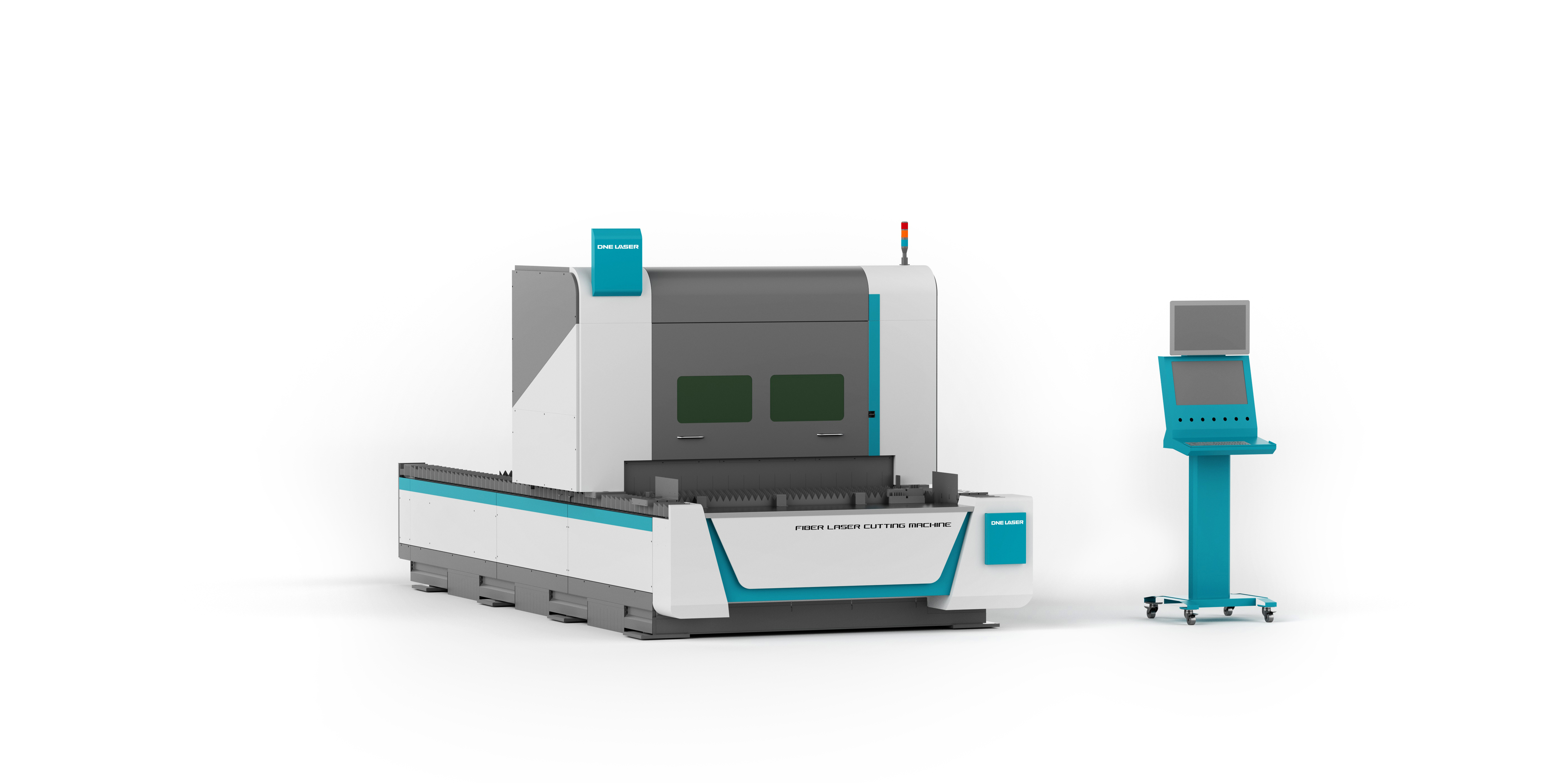
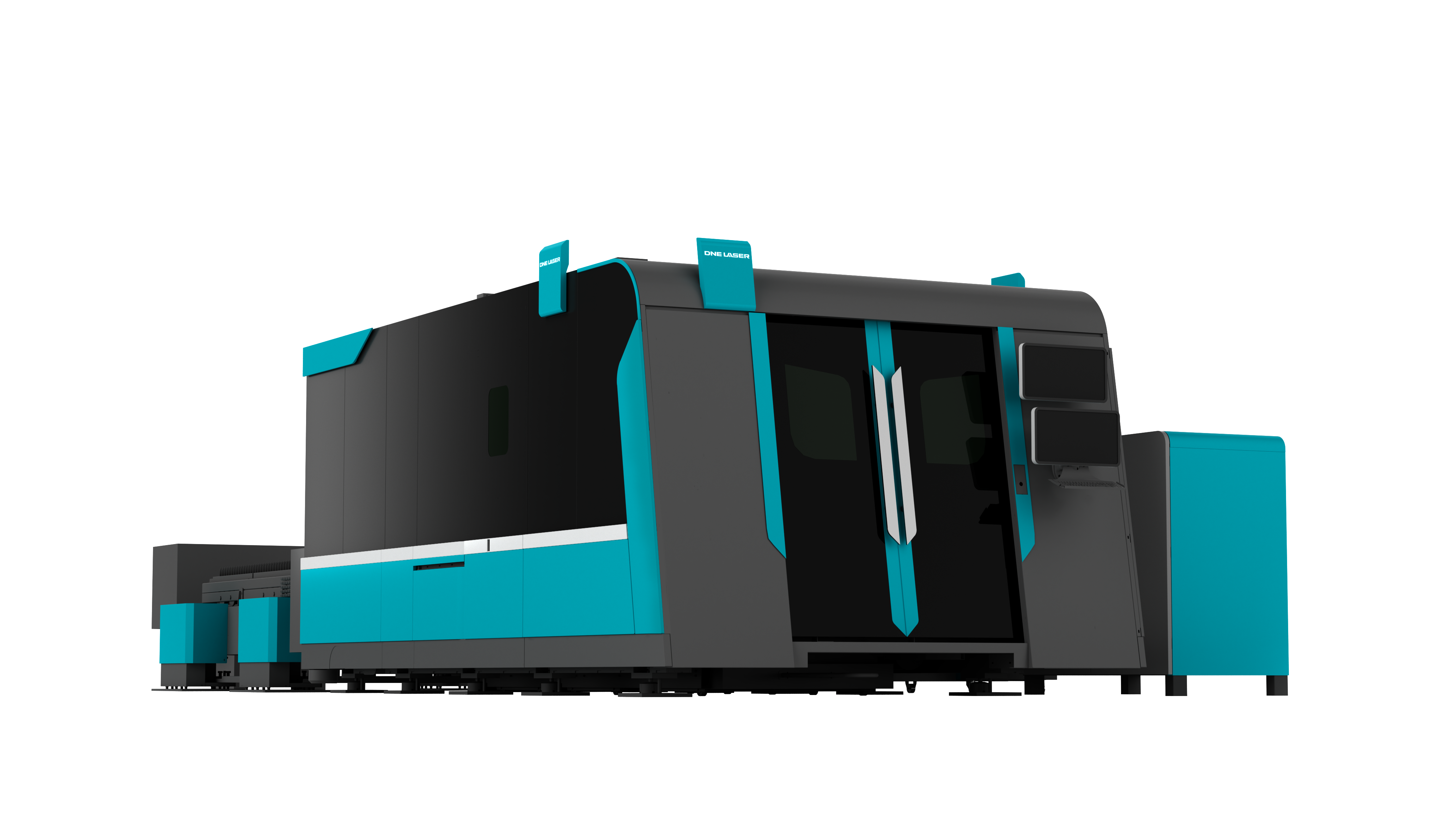
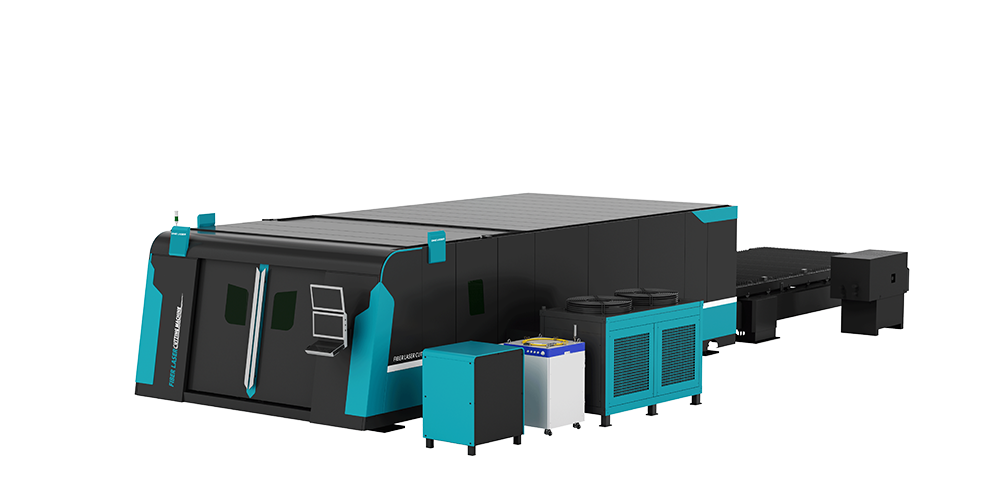
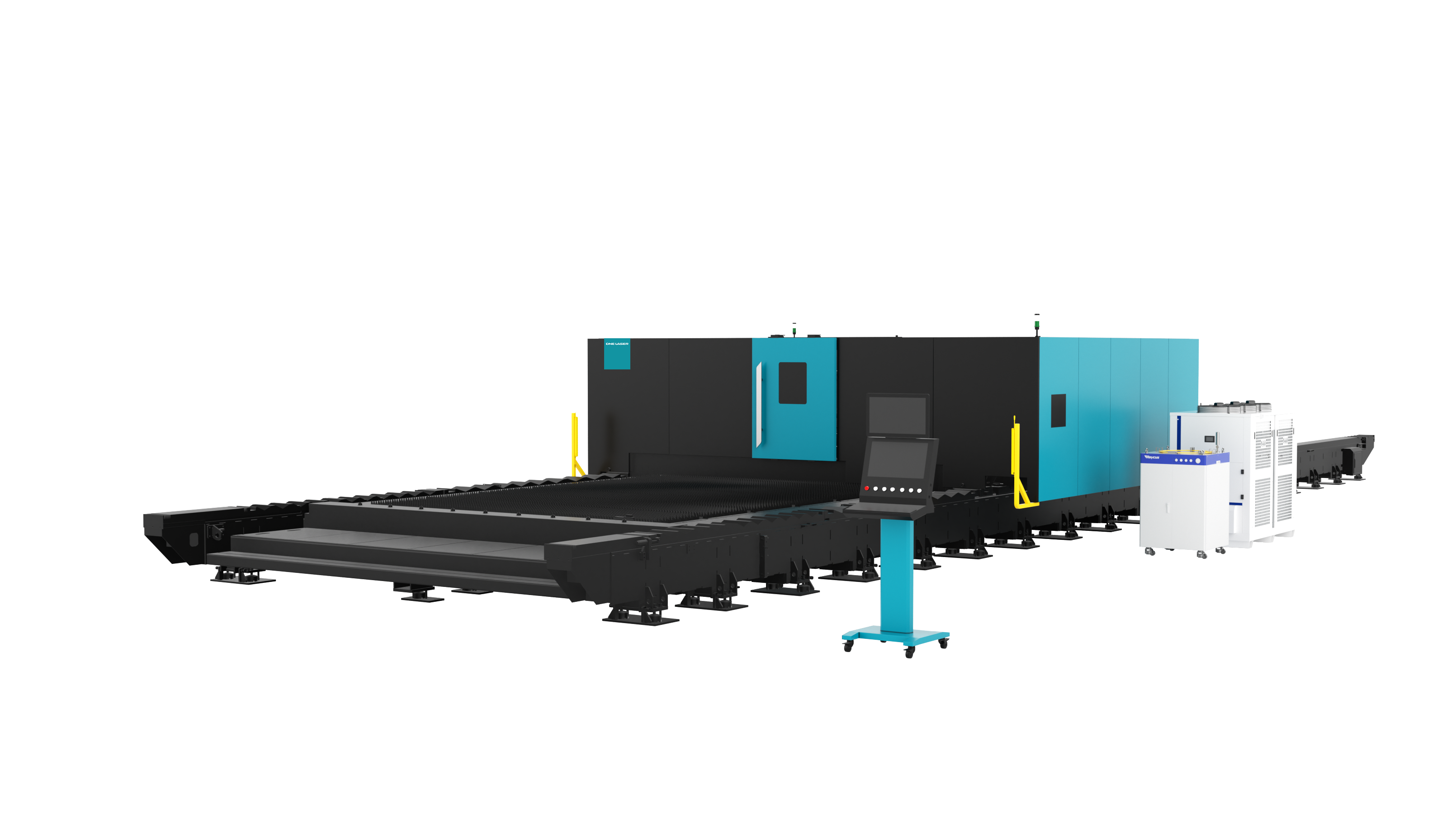
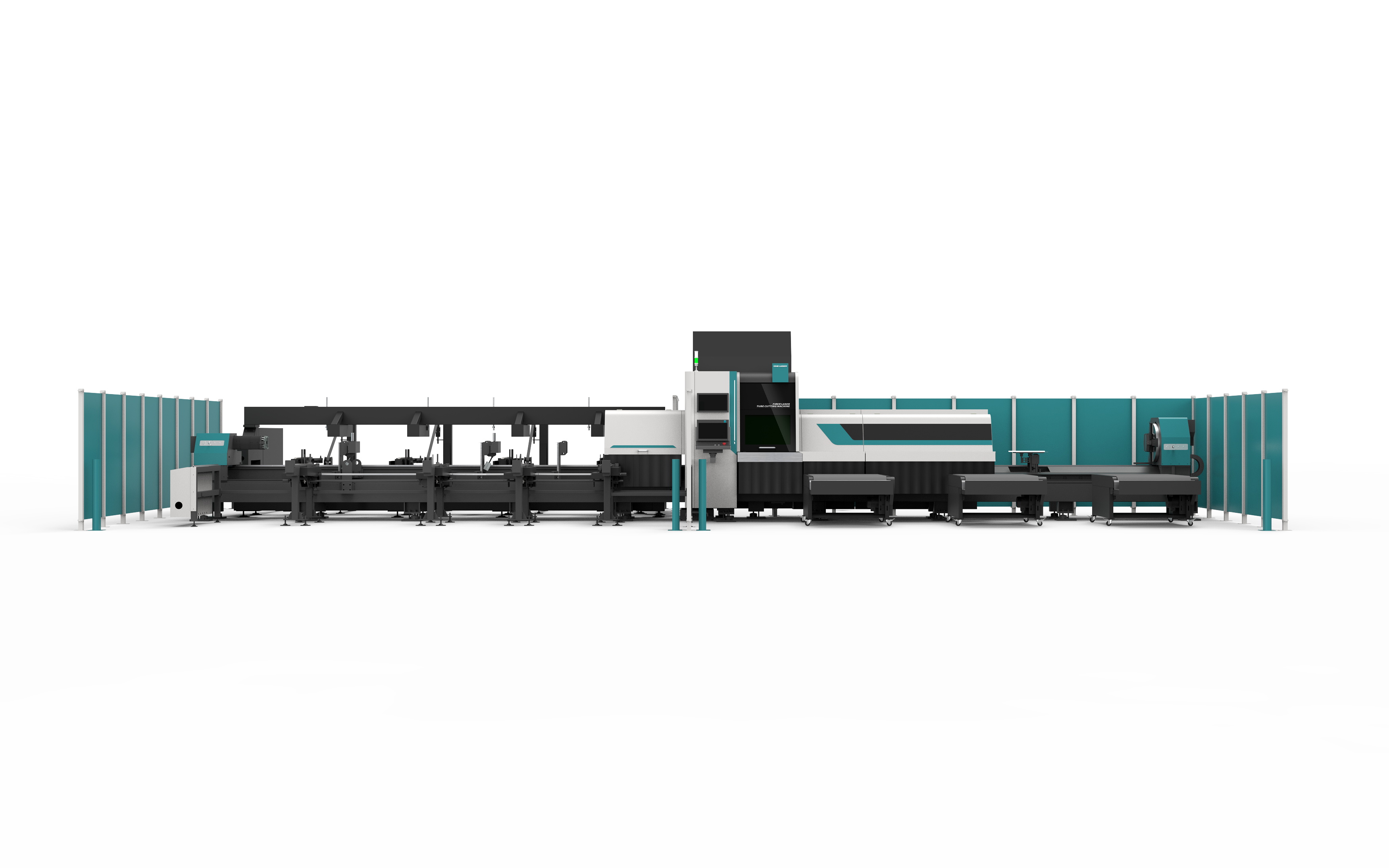
Laser cutting machines have evolved from experimental tools in the mid-20th century to indispensable assets in modern manufacturing. By directing a high-energy-density laser beam onto materials—causing them to melt, vaporize, or ignite—these machines achieve precise cuts while a high-speed gas stream removes residual debris. Today, laser cutting is celebrated for its accuracy, efficiency, and versatility, transforming industries from heavy manufacturing to creative design.

1. Core Industrial Applications: Precision and Strength

In metalworking, laser cutting machines are foundational. They seamlessly process steel, aluminum, copper, and titanium alloys into intricate components. In automotive manufacturing, laser-cut parts ensure consistency and tight tolerances—from structural frames to airbag mechanisms. The aerospace sector relies on laser cutting for engine blades, fuselage panels, and other critical parts, where non-contact processing avoids mechanical stress and preserves material integrity. Similarly, heavy machinery, construction equipment, and nuclear components increasingly depend on high-power (multi-kilowatt) laser systems for thick-metal cutting.

2. Creative and Light Industries: Enabling Complexity and Customization

Beyond heavy industry, laser cutting excels in lightweight and creative fields. In signage and advertising, it cleanly cuts acrylic, wood, and stainless steel for logos and displays, often without post-processing. Fashion and textiles leverage lasers to engrave delicate patterns on leather and fabrics, achieving designs unattainable with traditional tools. Furniture designers use lasers to shape plywood into modern, organic forms for chairs, tables, and decorative screens. Even the food packaging industry employs lasers to create intricate molds or directly mark premium products like chocolate and pastry.

3. High-Tech and Emerging Sectors: Driving Innovation

In electronics manufacturing, laser cutting supports miniaturization trends. It precisely trims flexible printed circuits (FPCs) and performs fine contour cuts on smartphone OLED displays, enabling bezel-less screens. The solar energy sector uses laser scribing to separate silicon wafers with minimal waste. More recently, laser cutting has become vital in battery production for electric vehicles, shaping electrodes and battery casings efficiently. The medical field also benefits, with lasers fabricating precise devices like cardiovascular stents.

4. Key Advantages and Future Outlook

Compared to plasma cutting, waterjet cutting, or traditional punching, laser cutting offers distinct benefits:

  • Non-contact processing: No tool wear or material deformation.

  • High precision and repeatability: Tolerances as tight as ±0.1 mm.

  • Flexibility: Quick digital adjustments for different designs without retooling.

  • Speed and automation: Compatible with CAD/CAM systems and Industry 4.0 workflows.

As laser technology advances—with developments in fiber lasers, ultrafast lasers, and AI integration—its applications will continue expanding. From industrial production lines to custom artisan workshops, laser cutting machines remain a transformative force, shaping the future of making.

niu_icon01.png
Request A Quote
Name
E-mail*
Phone or WhatsApp*
Country*
City*
Company
Cutting Material*
Machine Type*
Message
Submit Now
Product List
Submit information
Submit Now