Industry Development Trends of Fiber Optic Cutting Machines
Published:2026-01-13
Browse:
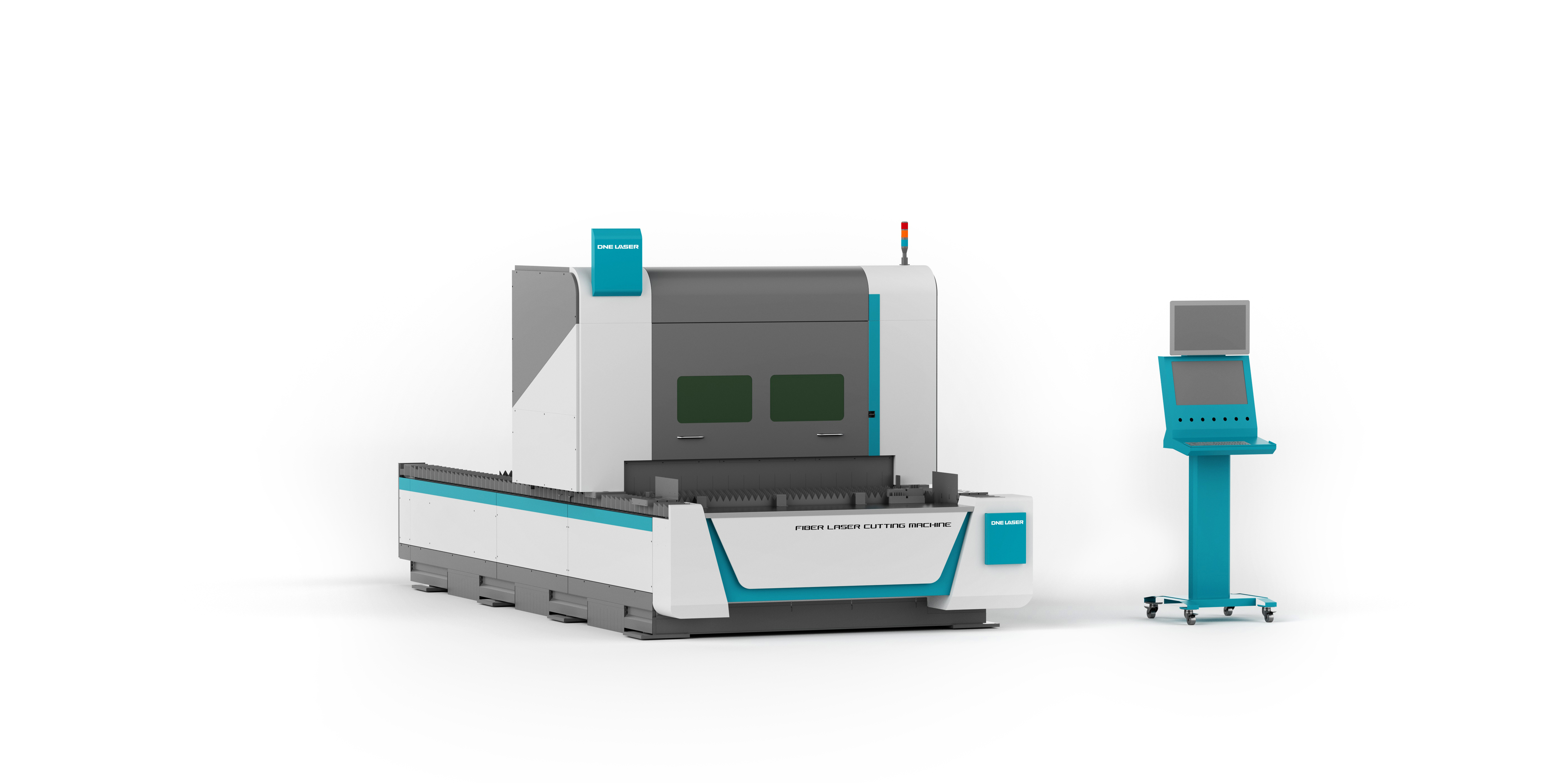
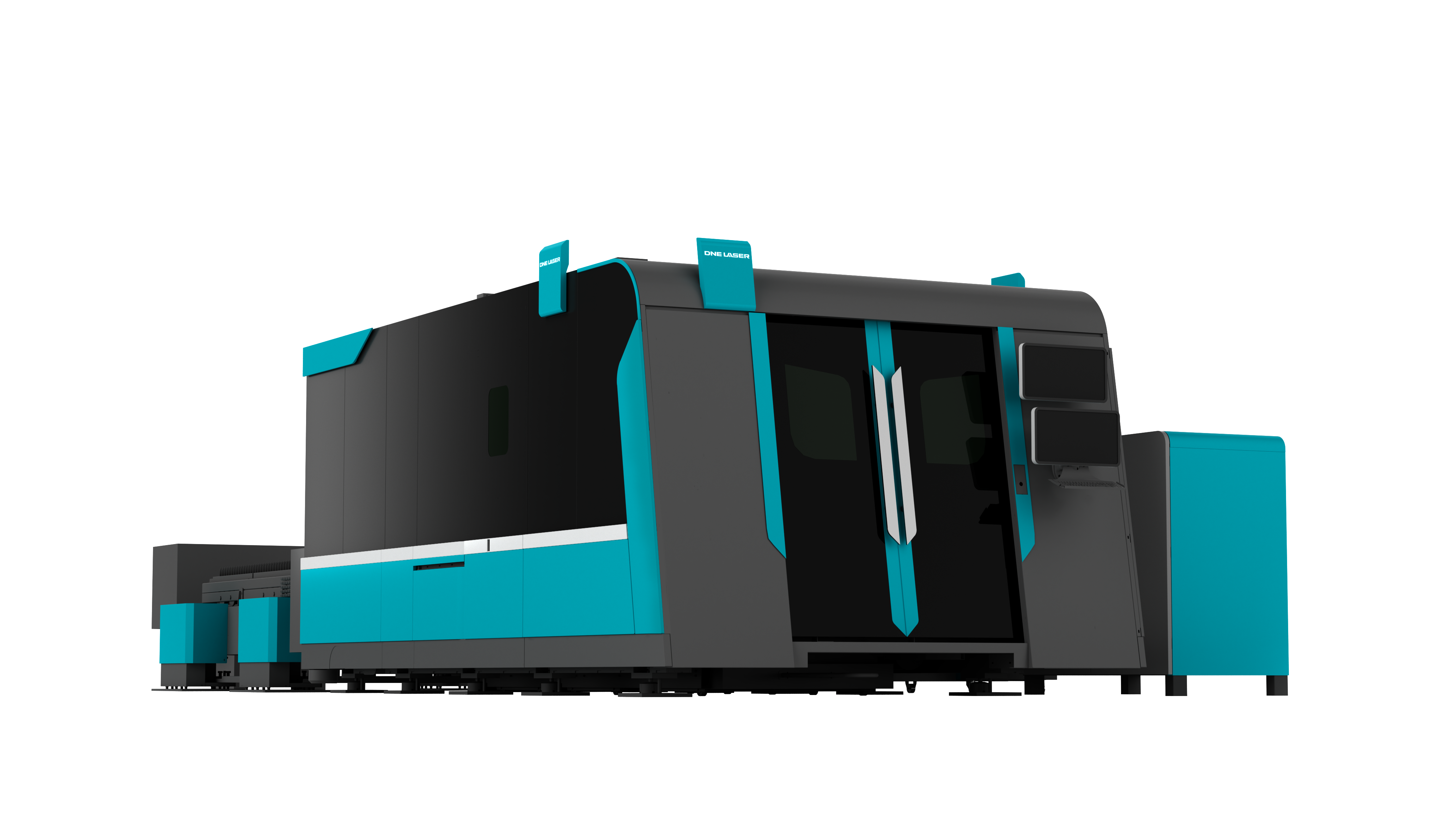
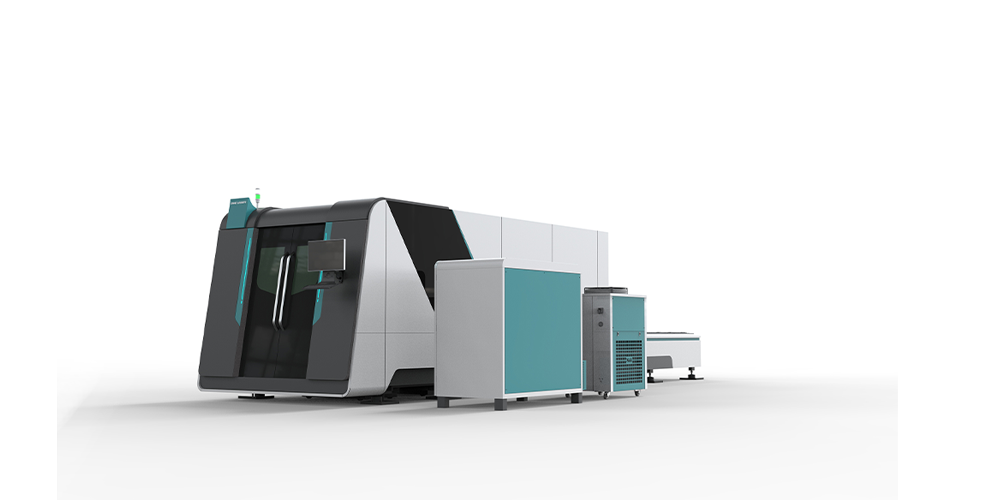
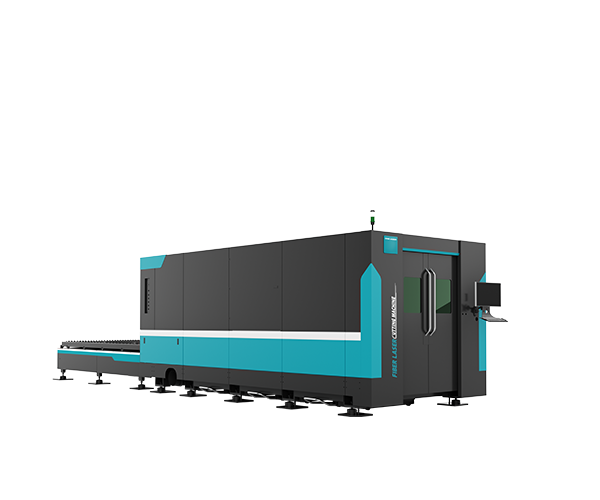
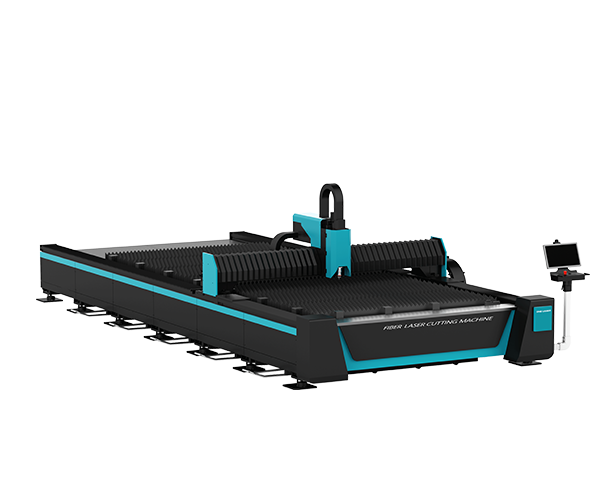
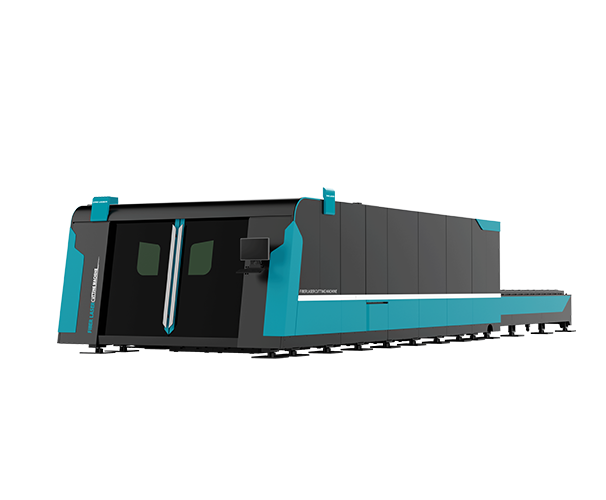
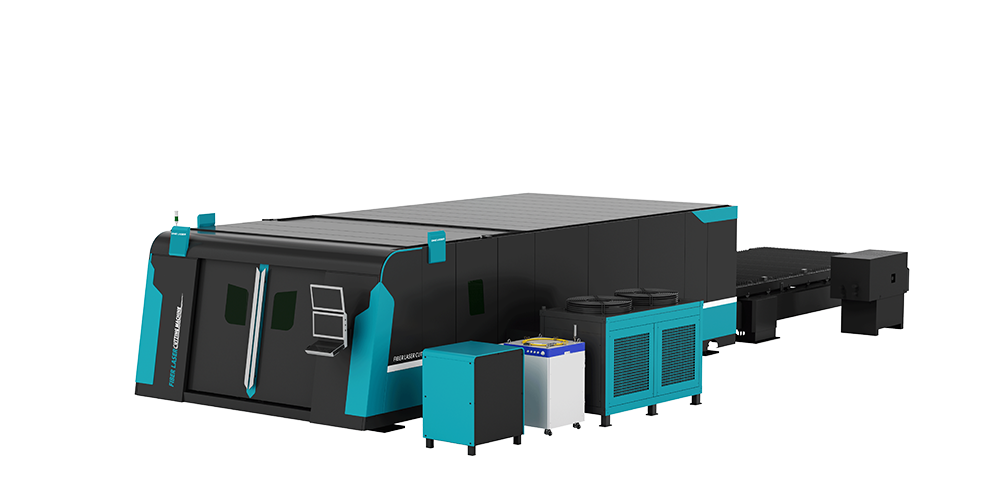
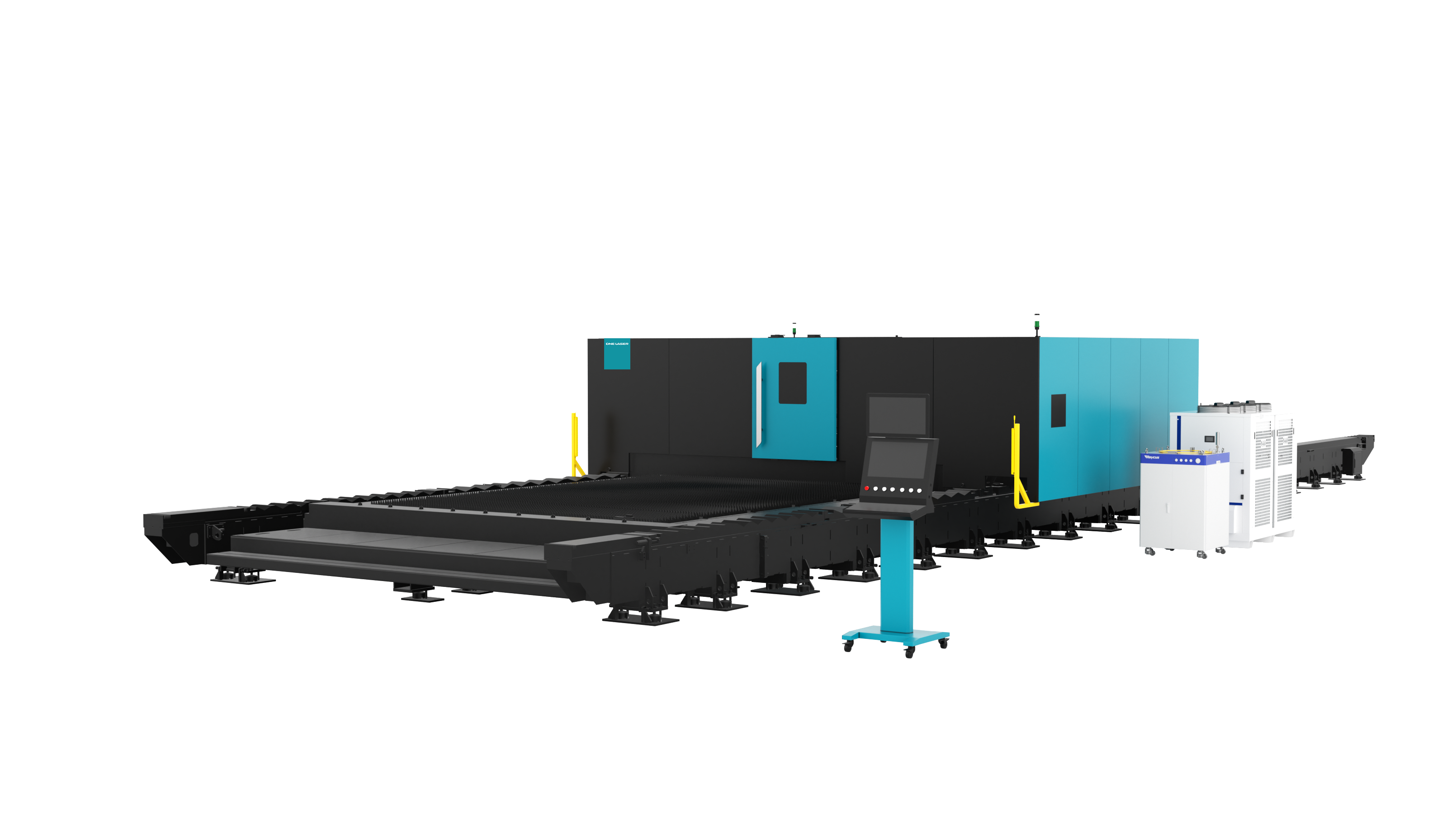
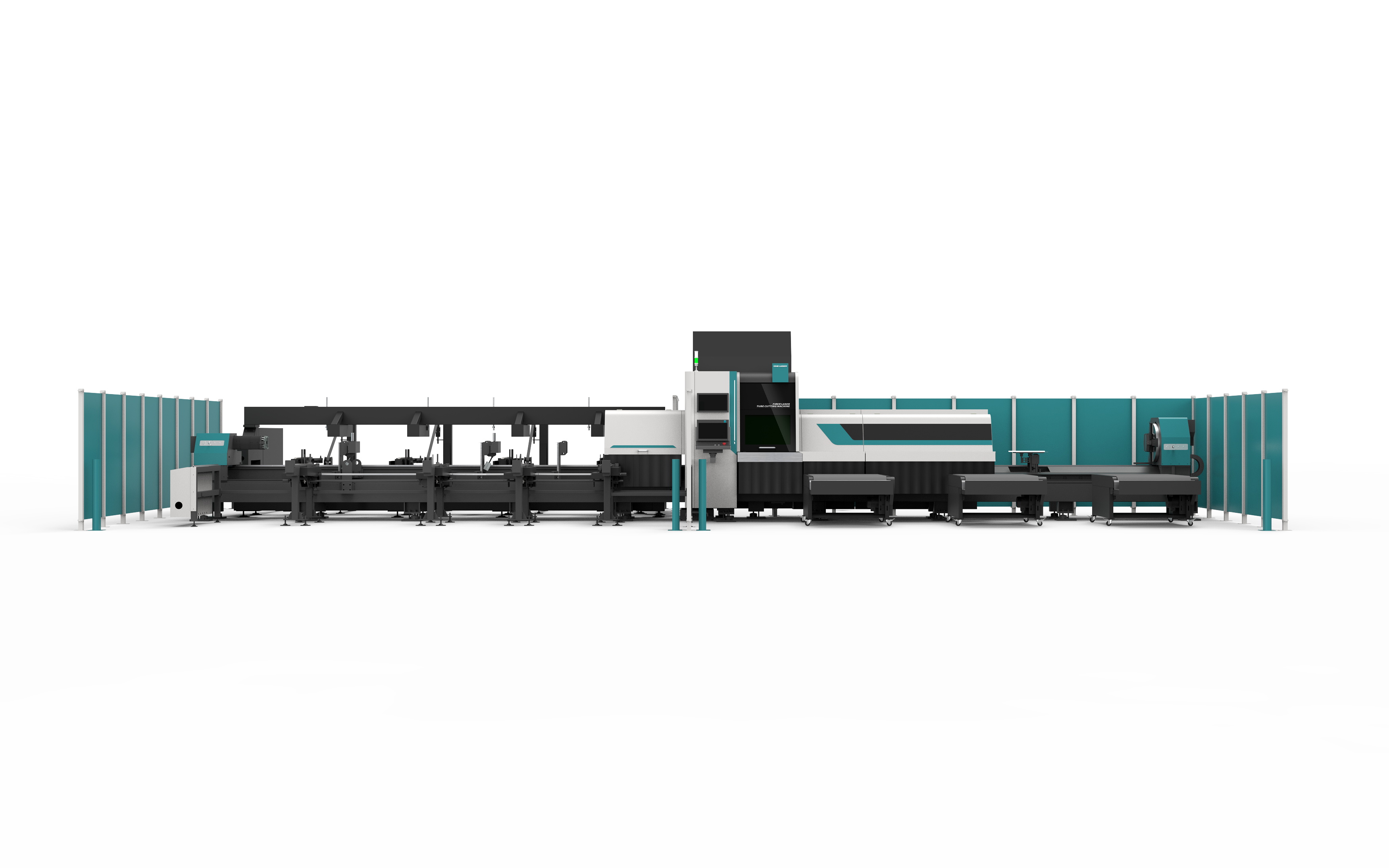
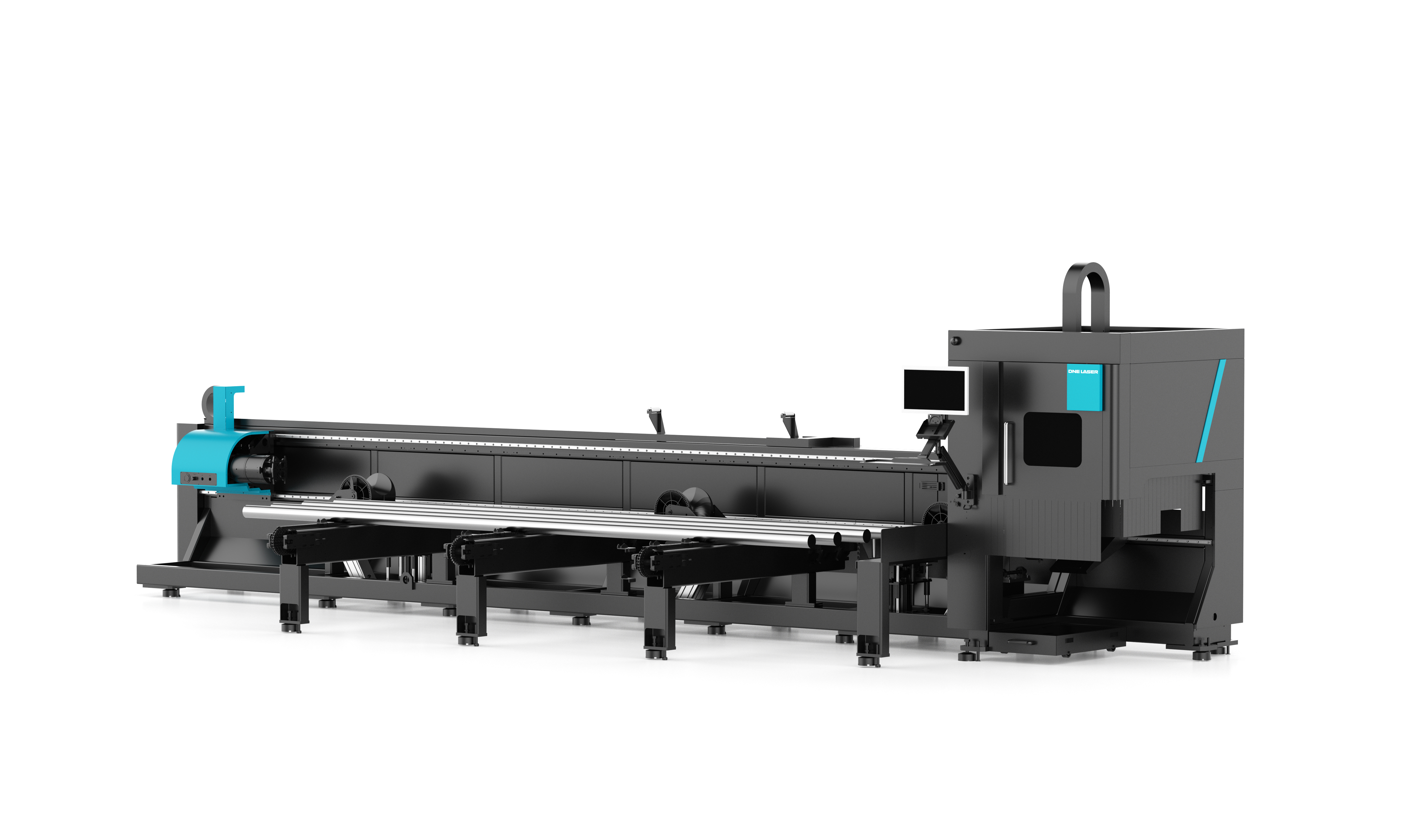
In the wave of intelligent and high-end transformation in the manufacturing industry, fiber optic cutting machines, with their core advantages of high precision, high efficiency, and flexibility, have become core equipment in the metal processing field. The industry is undergoing multiple transformations, including technological iteration, market expansion, and ecosystem upgrading. Data shows that the Chinese fiber laser cutting equipment market exceeded 15 billion yuan in 2024 and is expected to exceed 30 billion yuan by 2030. The global market is also steadily climbing at a compound annual growth rate of 8.78%, indicating broad growth potential.
High power and improved precision have become the core directions of technological evolution. Currently, the market share of high-power equipment above 6kW is rapidly increasing, and 10kW+ ultra-high-power models can already achieve cutting of 30mm+ stainless steel without secondary processing, meeting the needs of aerospace, engineering machinery, and other fields for thick plate processing. At the same time, breakthroughs in beam quality control technology and micro-cutting processes have enabled fiber optic cutting machines to excel in the processing of new energy battery structural components and precision electronic devices, reducing material loss rates to below 0.8%, pushing processing precision in high-end manufacturing to a new dimension.
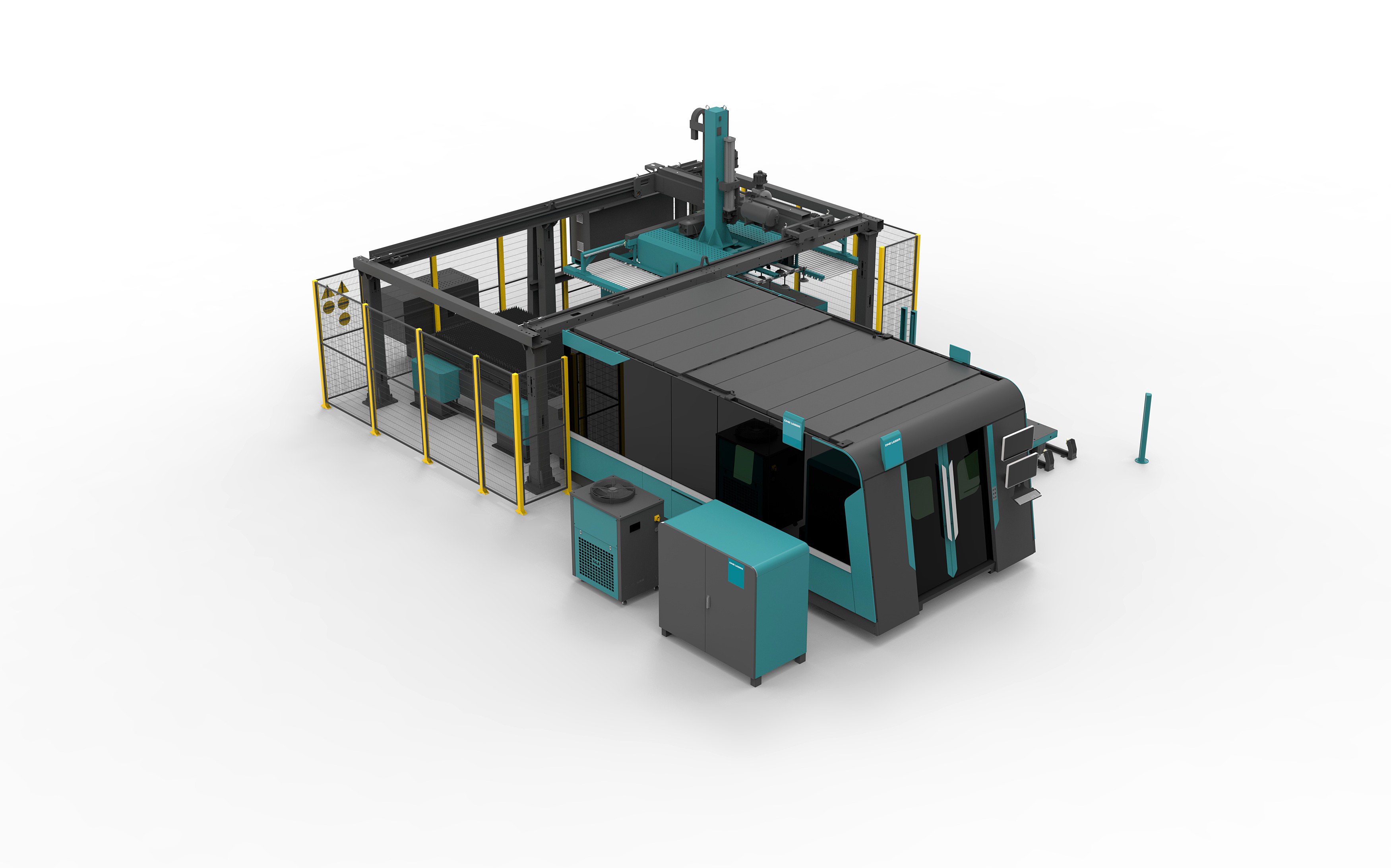
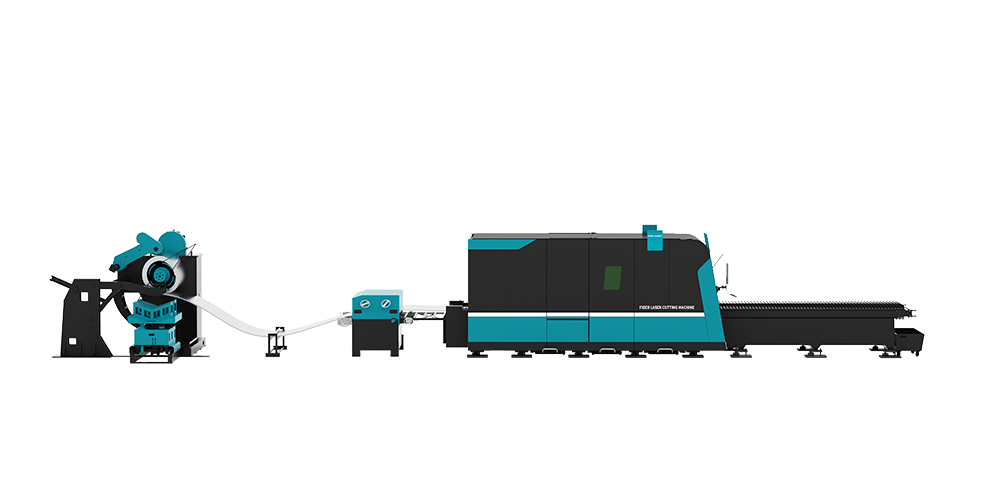
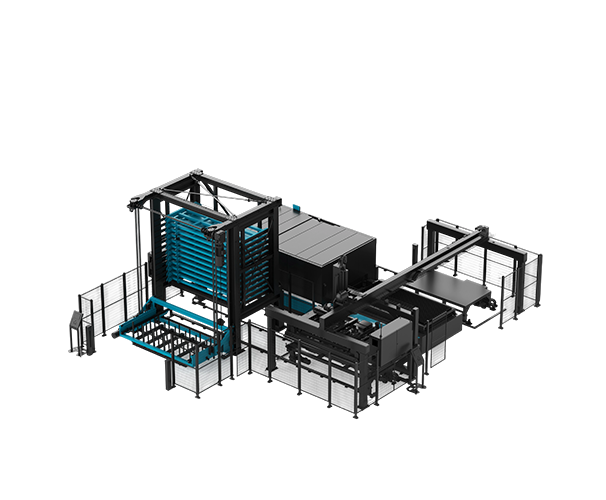
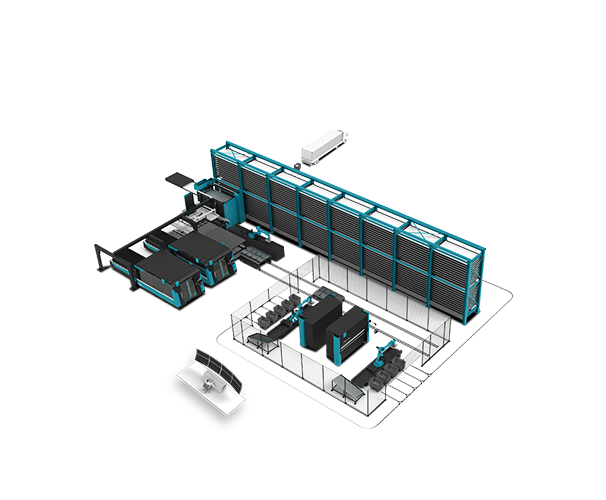
The deep integration of intelligent and automated technologies is reshaping the industry's production model. AI-integrated intelligent control systems have become standard, enabling automatic material type detection, real-time cutting path optimization, and predictive maintenance to provide early warnings of equipment failures, significantly reducing unplanned downtime. Furthermore, the application of collaborative robots and automated loading/unloading systems has upgraded fiber optic cutting machines from single processing equipment to flexible production units. One aerospace company, after integrating such systems, reduced labor costs by 40%, demonstrating the value of intelligent transformation.
Accelerated domestic substitution and green manufacturing transformation have become the twin engines of industry development. With policy support and technological breakthroughs, the domestic production rate of high-power lasers above 6kW will increase from 65% in 2025 to 85% in 2030. Domestic companies such as Raycus and Chuangxin are gradually breaking the monopoly of foreign brands. Simultaneously, the carbon neutrality goal is driving the industry's green upgrade, with energy consumption per unit of output decreasing by more than 30% compared to 2020. The application of environmental protection technologies such as plasma-enhanced chemical vapor deposition has reduced harmful gas emissions by 85%, and the circular economy model is being implemented in leading companies, with a 95% recycling rate for production waste.
Expanding application scenarios and optimizing the market structure have opened up new growth opportunities. The explosive growth of the new energy vehicle industry chain has become a core driving force, with demand for power batteries and motor silicon steel sheet processing propelling the proportion of equipment procurement in the new energy sector from 15% to 25%. In regional markets, the Yangtze River Delta and Pearl River Delta regions still hold over 60% of the market share, while emerging clusters such as Wuhan and Chengdu have formed in the central and western regions based on industrial transfer. Export markets are also rapidly penetrating Southeast Asia and the Middle East, with an average annual growth rate of 20%.
The development of the fiber optic cutting machine industry is both an inevitable result of technological innovation and an objective requirement for the transformation and upgrading of the manufacturing industry. In the future, only by continuously cultivating core technologies, focusing on scenario-based solutions, and practicing the concept of green development can enterprises gain the initiative in the 30 billion RMB domestic market and global competition, and promote fiber optic cutting technology as a core supporting force for high-end manufacturing.