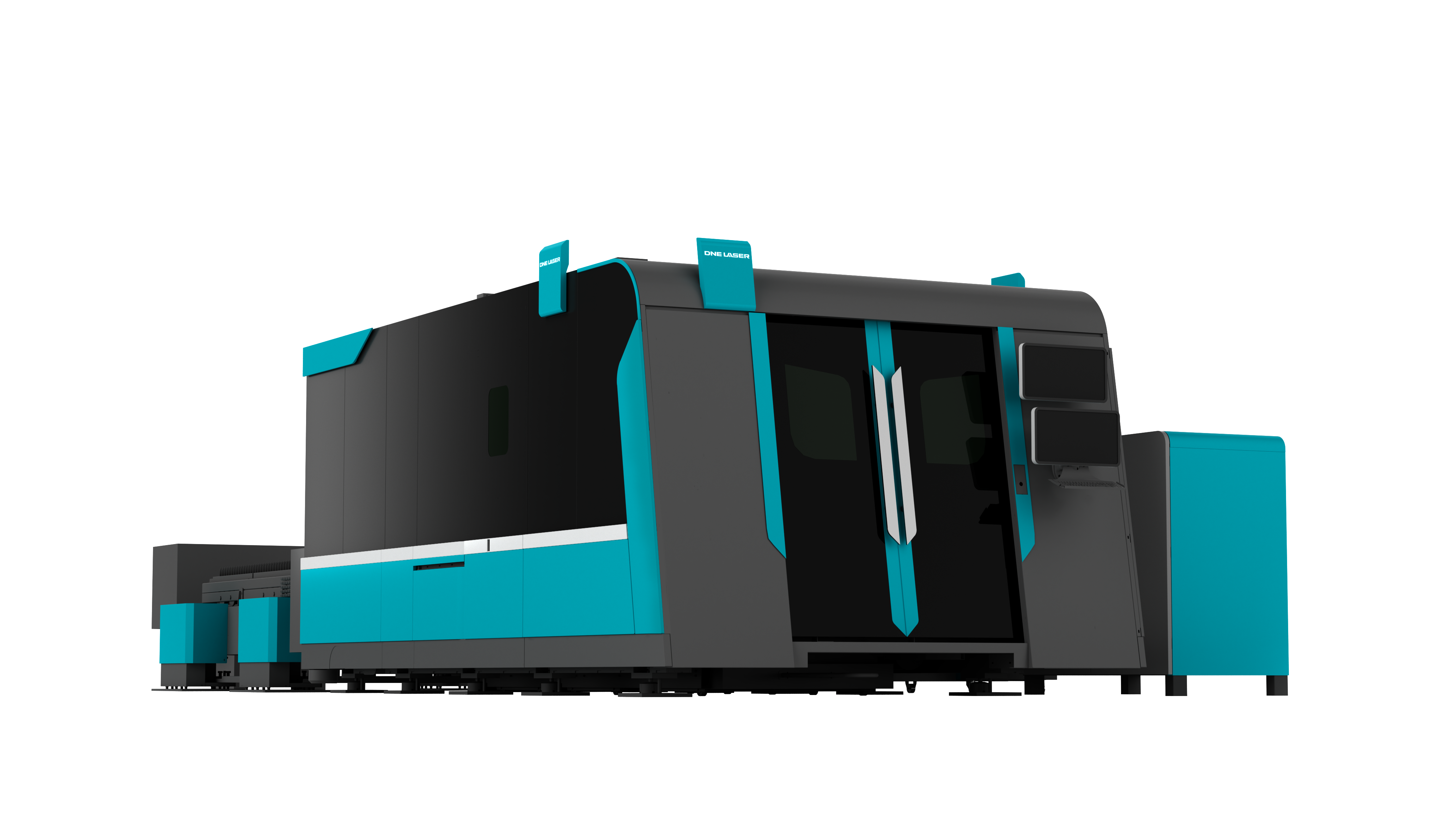
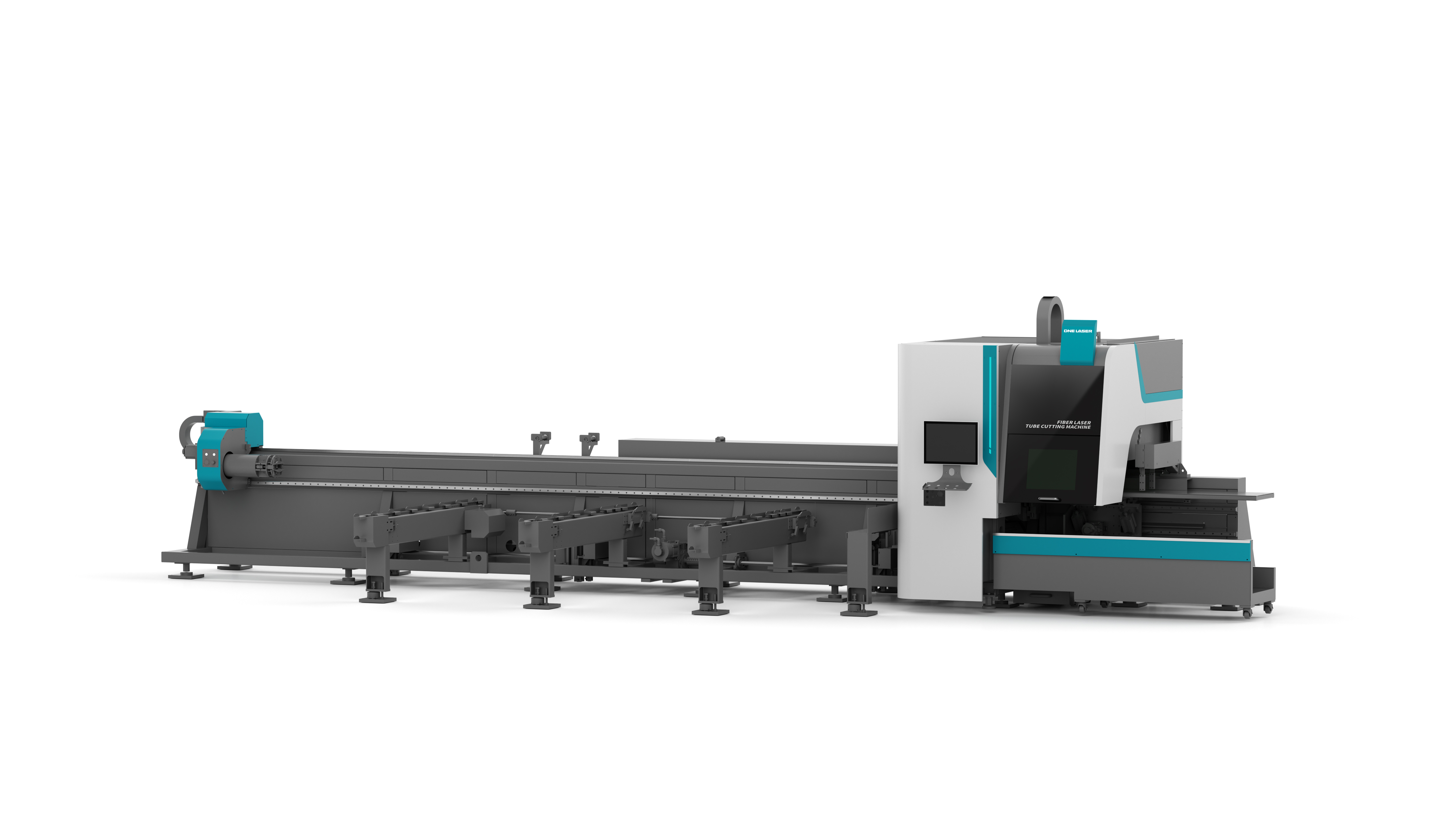
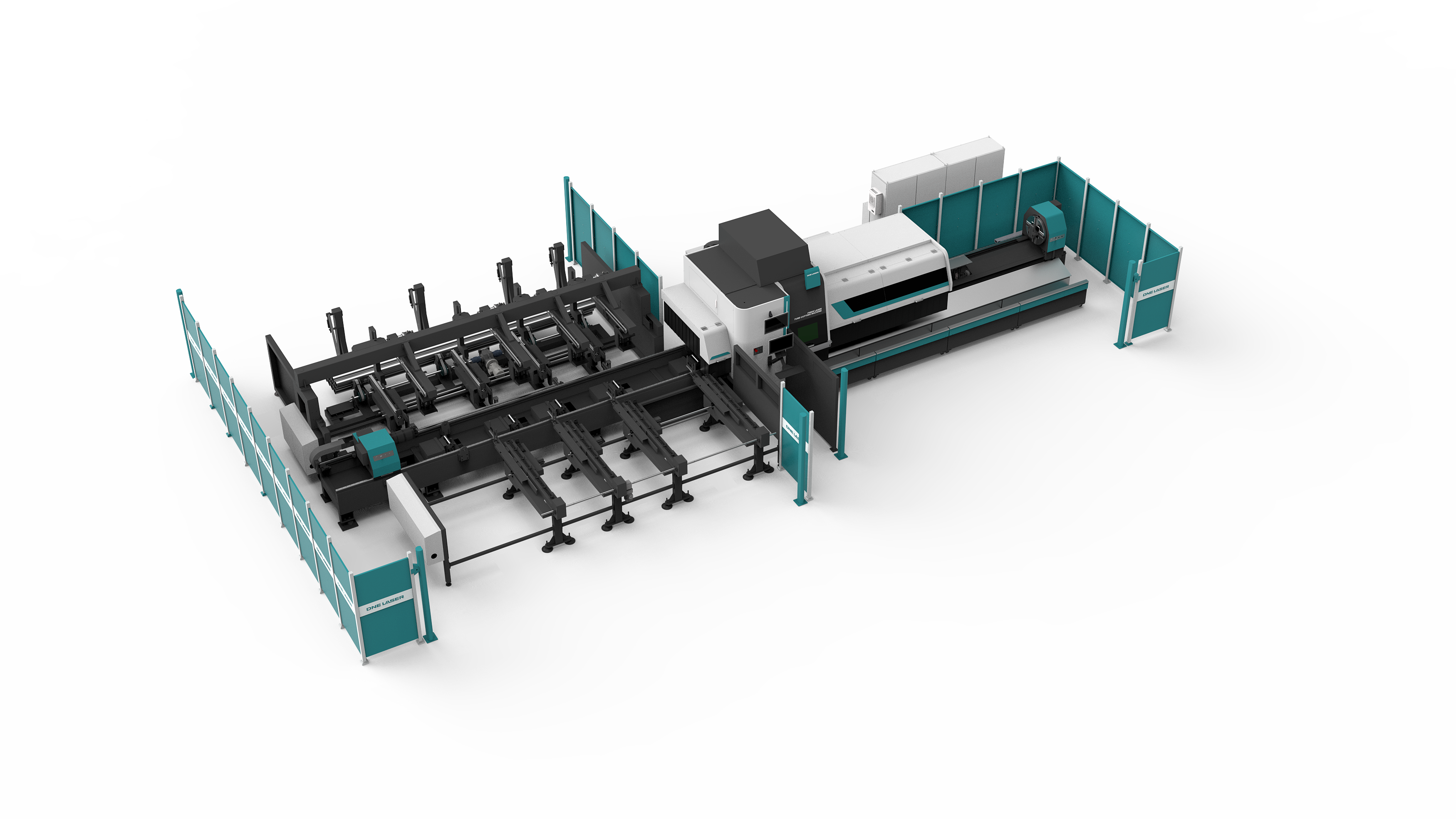
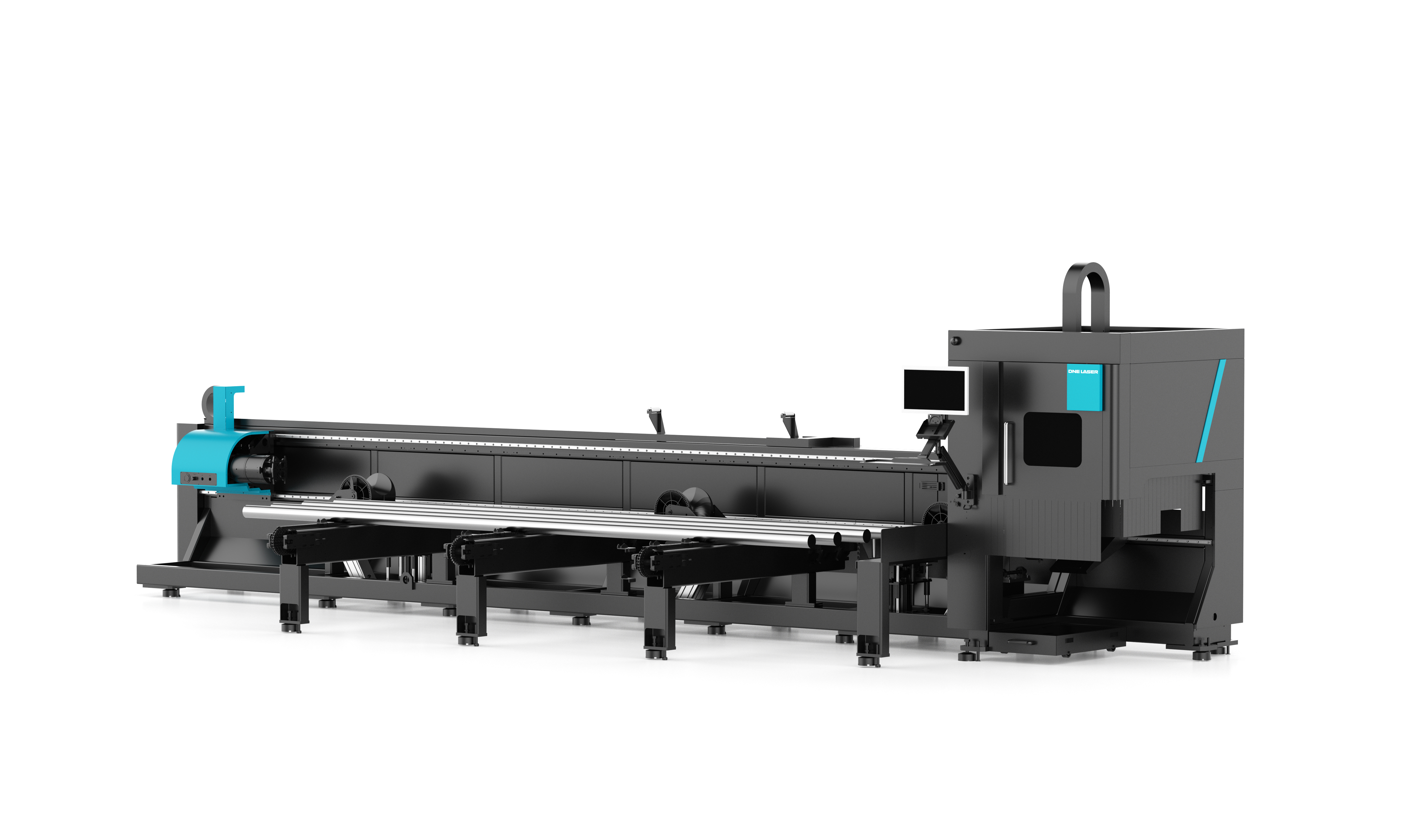
The aerospace industry relies on tube laser cutting for its ultra-high precision and reliability. Aerospace components demand extremely strict processing standards, as even minor errors can compromise overall equipment performance. Tube laser cutting excels at processing high-strength, difficult-to-machine materials like titanium alloy, aluminum alloy, and stainless steel, producing critical components such as aircraft fuel pipelines, support struts, landing gear parts, and hydraulic tubes. Its non-contact processing avoids material deformation and surface damage, maintaining the mechanical properties of raw materials, and meets the aerospace sector's rigorous requirements for lightweight, high-strength structures, making it a key technology for manufacturing aerospace precision parts.
In the construction and engineering machinery sector, tube laser cutting drives the innovation of structural component fabrication. It is extensively applied to process structural steel tubes, building curtain wall frames, engineering machinery booms, and warehouse racking. The technology can quickly cut complex holes, notches, and special-shaped contours on metal tubes, adapting to diverse architectural design styles and engineering machinery structural needs. Compared with traditional sawing and drilling, it greatly shortens processing cycles, improves construction and assembly efficiency, and ensures the load-bearing performance and durability of structural parts, providing reliable support for large-scale construction projects and heavy machinery manufacturing.
Additionally, tube laser cutting finds broad applications in furniture manufacturing, medical equipment, and marine engineering. In furniture production, it creates sleek, intricate metal frames and decorative tubular components, realizing personalized and modular furniture design. For medical devices, it processes precision stainless steel tubes for surgical instruments, orthopedic implants, and medical pipelines, complying with strict medical hygiene and precision standards. In the marine industry, it fabricates ship handrails, guardrails, and piping systems, adapting to the marine environment's corrosion-resistant and high-strength part requirements.
With the continuous advancement of intelligent manufacturing and the upgrading of industrial demand, tube laser cutting technology is constantly evolving toward higher automation, smarter operation, and wider material adaptability. Its application scope will further expand, bringing more efficient and precise processing solutions to various manufacturing industries. In the future, tube laser cutting will continue to lead the transformation of metal tube processing, injecting sustained impetus into the high-quality development of the global manufacturing industry.