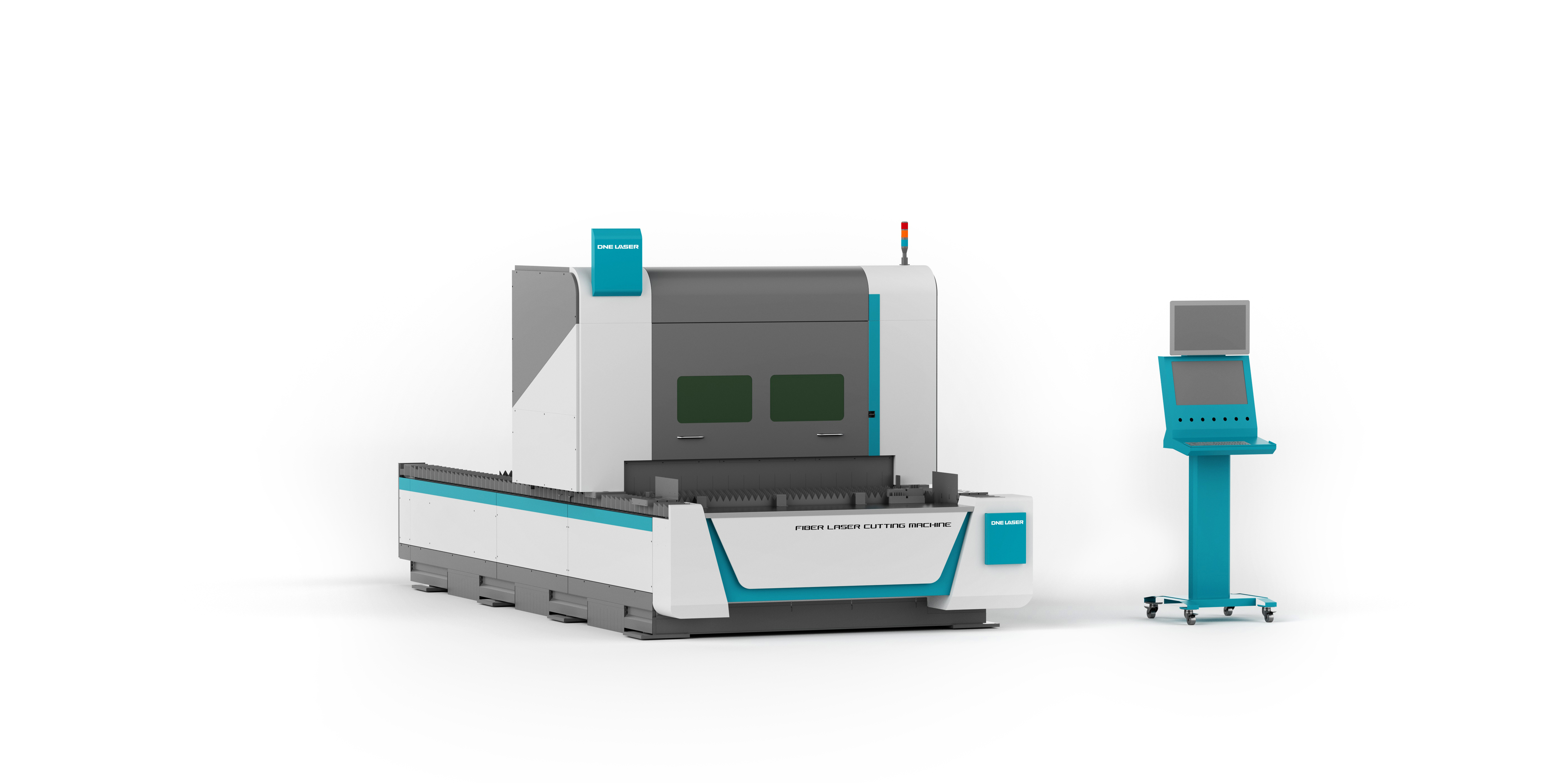
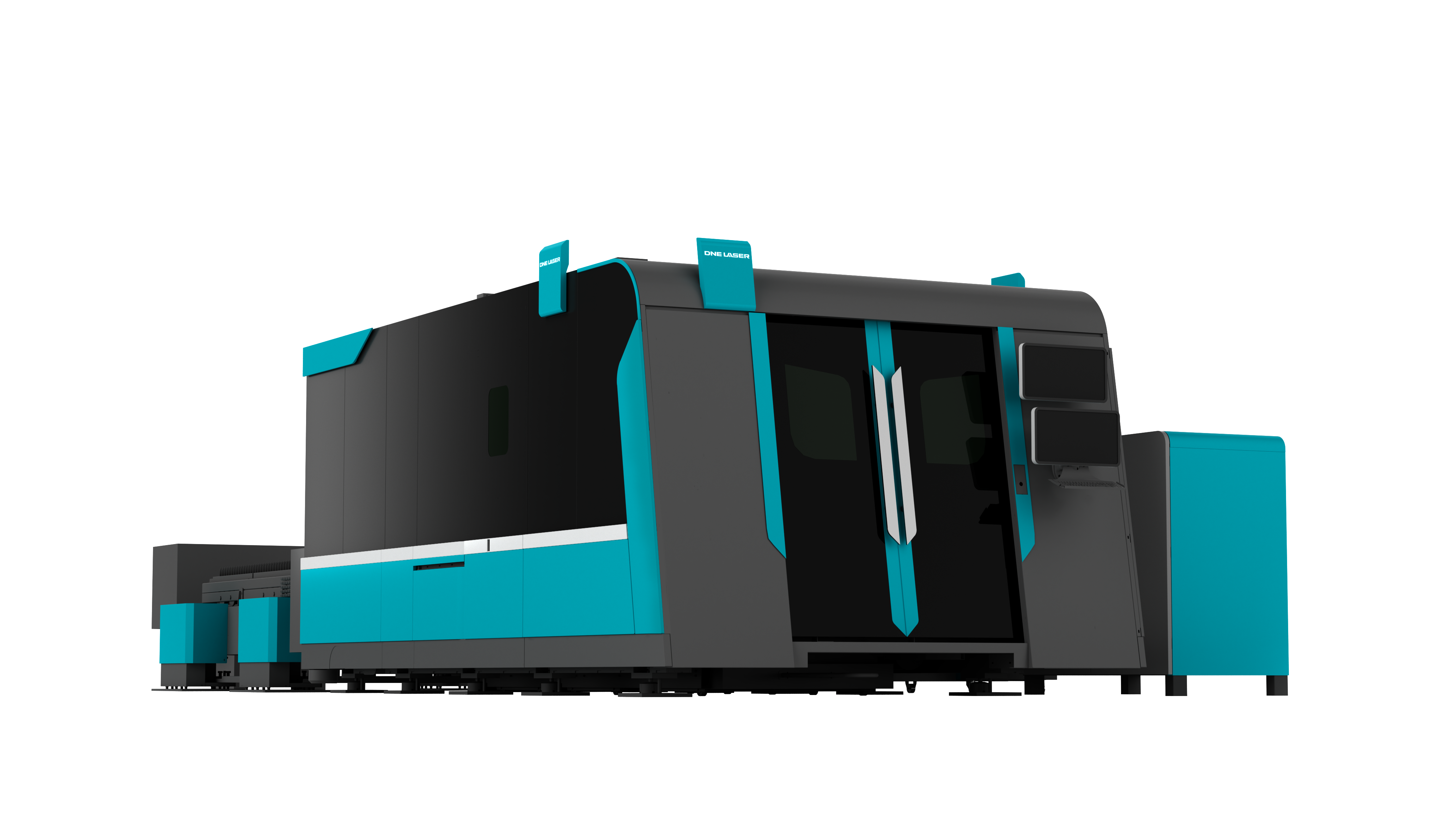
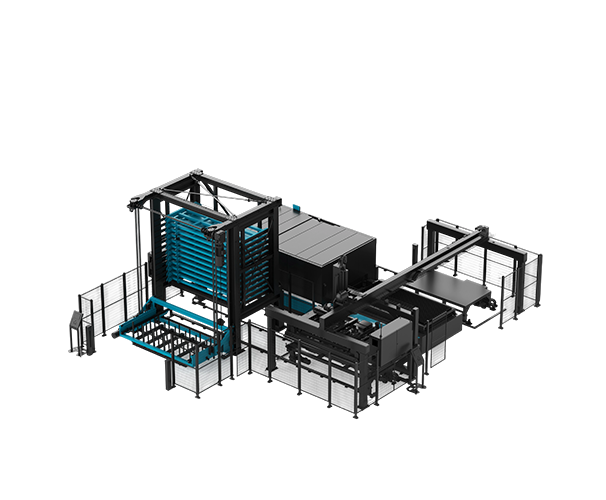
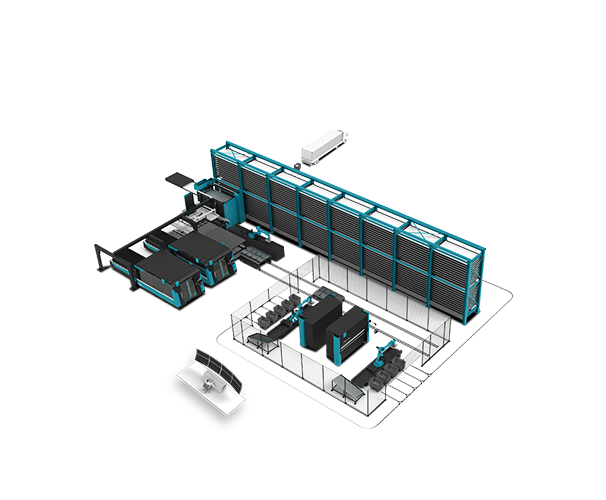
Fiber Laser Welding Machines
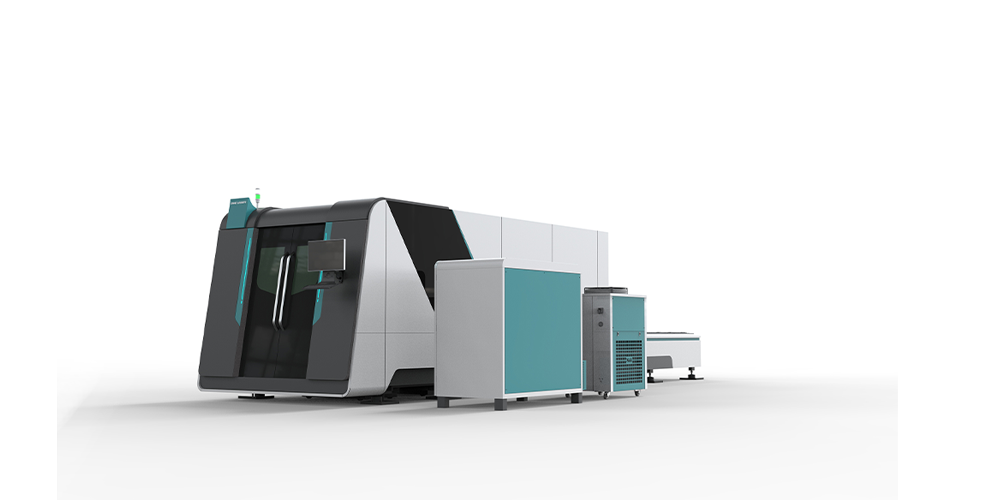
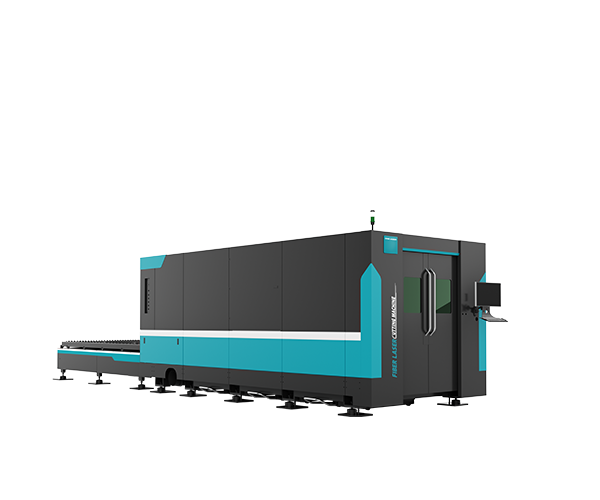
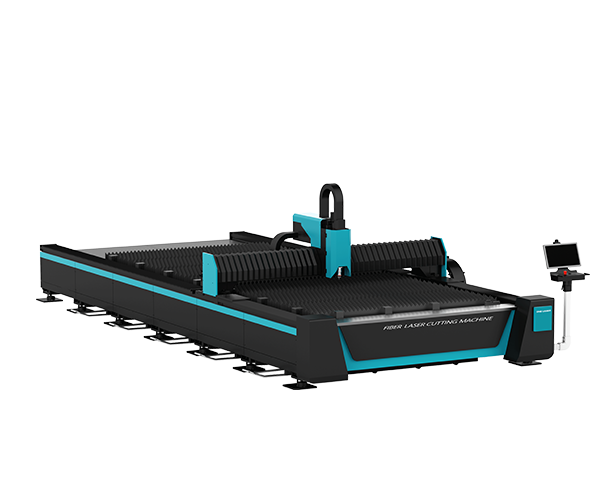
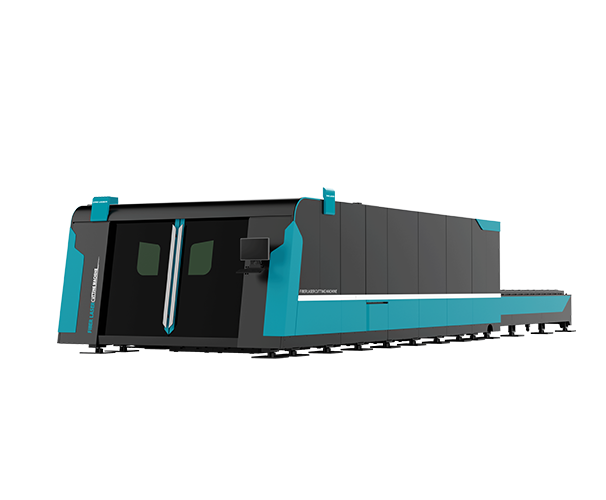
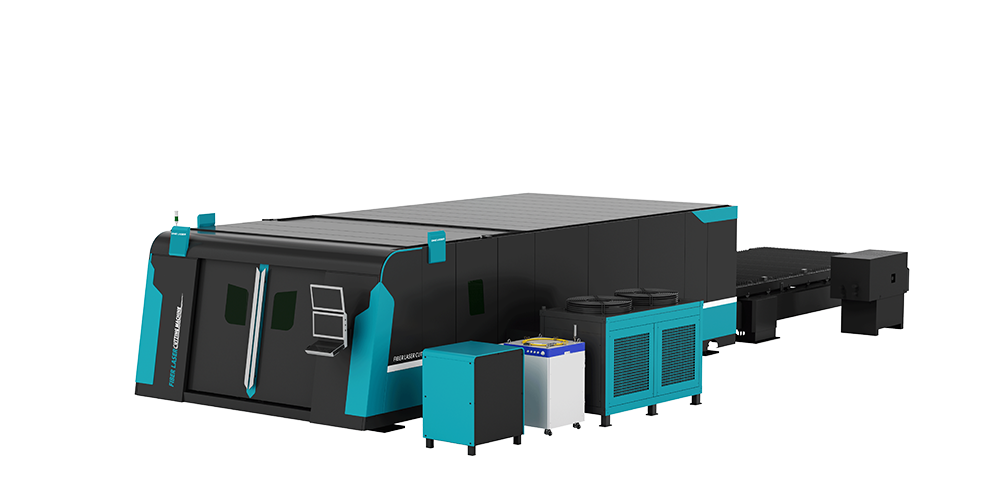
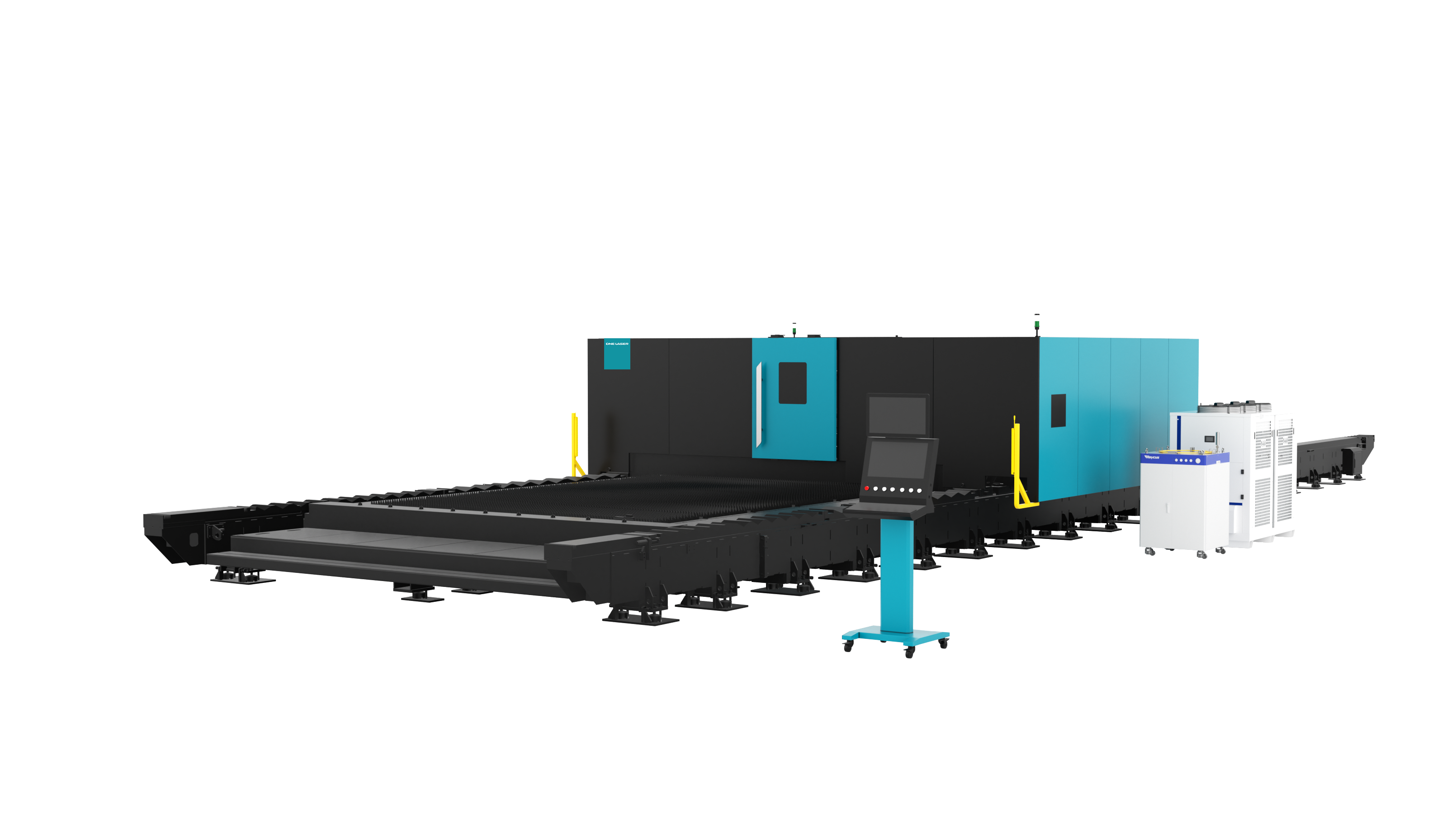
Fiber laser welders are the most common type in industrial settings today. They use a solid-state laser source generated through optical fibers doped with rare-earth elements like ytterbium. These machines are known for their high electro-optical efficiency (over 30%), excellent beam quality, and low maintenance—since there are no moving parts or mirrors.
Fiber lasers excel at welding reflective metals such as copper, brass, and aluminum, making them ideal for electric vehicle battery tab welding, 3C electronics, and precision component manufacturing. They are available in both pulsed and continuous-wave (CW) configurations, with power outputs ranging from 200W to over 10kW.
2. Pulsed vs. Continuous Wave (CW) Laser Welders
This classification is based on the laser emission mode rather than the source type, but it fundamentally affects application suitability.
· Pulsed Laser Welders: The laser emits energy in short, high-peak-power bursts. This minimizes heat input, making them perfect for thin materials (below 1mm), spot welding, and heat-sensitive components like battery tabs and sensor housings. The small, clean weld spots also benefit jewelry and dental repair.
· Continuous Wave Laser Welders: The laser runs steadily, producing a constant high-power beam. CW mode creates deep, narrow keyhole welds with high throughput, ideal for thick plates (5mm+), seam sealing of enclosures, and pipeline welding. Most high-power fiber and CO₂ lasers operate in this mode.
3. Handheld Laser Welding Machines
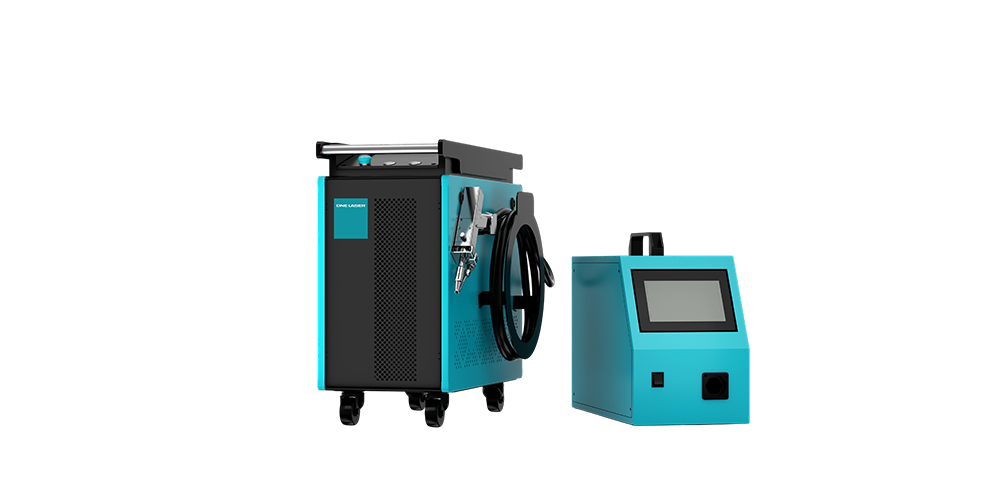
Unlike traditional stationary systems, handheld laser welders feature a compact, gun-style processing head connected to a mobile laser unit via a flexible fiber cable. They have rapidly replaced traditional TIG welding in small-batch fabrication, on-site repairs, and complex-position welding—such as in stainless steel furniture, kitchen cabinets, and ductwork.
Modern handheld units often include swing-welding (oscillation) functions, which enlarge the beam spot and increase gap tolerance, making them surprisingly user-friendly even for operators without years of experience.
4. CO₂ Laser Welding Machines
CO₂ lasers use a gas mixture (carbon dioxide, nitrogen, and helium) excited by electrical discharge. They were the gold standard for high-power welding before fiber lasers became dominant. While still used for non-metals like plastics and some thick-section steels, CO₂ lasers have largely been replaced in metal welding due to their lower efficiency (10–15%), larger beam delivery systems (mirrors required), and higher maintenance needs.
5. Green and UV Laser Welders
These are specialized solid-state lasers with shorter wavelengths (532nm for green, 355nm for UV) than standard infrared fiber lasers (around 1070nm). Green lasers are particularly valuable for welding copper, gold, and silicon, as these materials absorb green light far better than infrared. UV lasers enable “cold” processing with minimal heat-affected zones, suitable for ultra-thin foils in medical devices or solar cells.
6. Hybrid Laser Welding Systems
Hybrid machines combine a laser beam with an arc welding process (MIG or TIG). The laser provides deep penetration, while the arc improves gap bridging and filler metal addition. This hybrid approach is used in shipbuilding, pipeline construction, and heavy equipment manufacturing—where thick joints must be completed quickly with minimal edge preparation.
Conclusion
Choosing the correct laser welding machine requires matching the laser type to your material, thickness, production volume, and required weld quality. For most high-precision metalworking, fiber-based (pulsed or CW) and handheld systems dominate the market. However, specialized applications—like copper welding in EV batteries or on-site repair—may demand green lasers or hybrid setups. By understanding these categories, manufacturers can significantly improve both productivity and joint reliability.