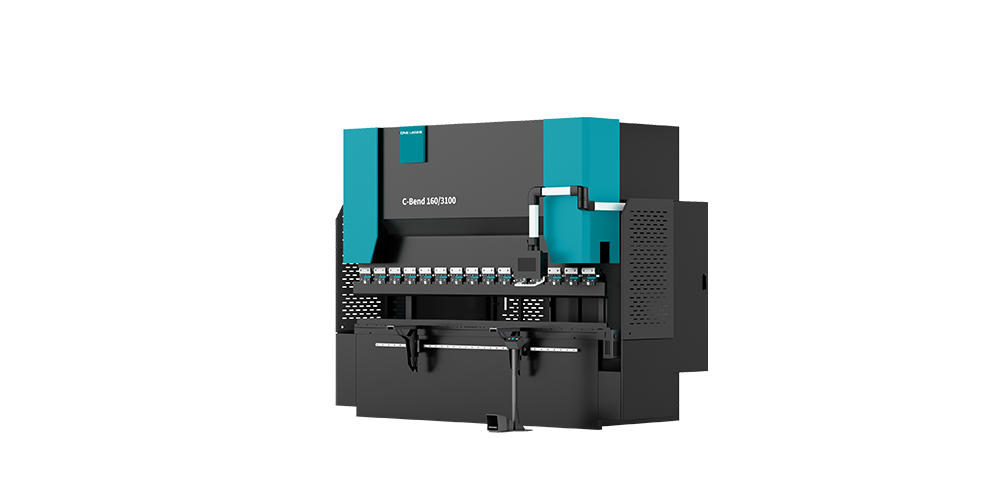
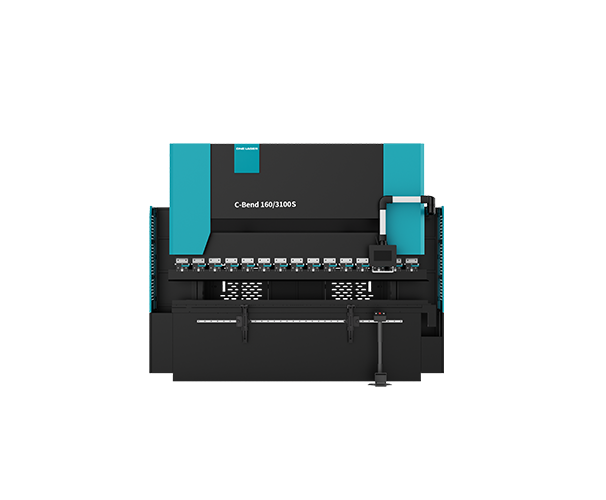
One of the most significant advantages of a press brake is its exceptional versatility. Unlike dedicated stamping presses that require custom dies for each part shape, a press brake can produce a virtually endless variety of bends using standard tooling. By simply adjusting the back gauge, changing the punch and die setup, or reprogramming the CNC controller, the same machine can bend a small bracket in the morning and a large enclosure panel in the afternoon. This flexibility makes press brakes ideal for low-to-medium volume production, prototyping, and custom fabrication work where part designs frequently change.
Another key characteristic is the high level of precision and repeatability offered by modern press brakes. Today's CNC-controlled machines are capable of holding bend angle tolerances within ±0.5 degrees or better. Advanced features such as ram crowning systems automatically compensate for deflection along the machine's length, ensuring that bend angles remain consistent even when working with thick or wide materials. Real-time angle measurement systems provide continuous feedback, allowing the machine to adjust the bending depth on the fly. This accuracy is crucial for industries such as aerospace, medical device manufacturing, and electronics, where even minor deviations can lead to product failure.
The ability to handle a wide range of material types and thicknesses is another notable characteristic. Press brakes can bend soft aluminum, stainless steel, high-strength low-alloy steels, and even titanium. With the appropriate tonnage rating and tooling, they can form materials from thin gauge foils up to thick plates an inch or more in depth. This material flexibility allows fabricators to serve diverse customer needs without investing in multiple specialized machines.
Energy efficiency and cost-effectiveness are further advantages. Compared to other forming methods such as stamping or roll forming, press brakes consume less energy per part in small batch production because they do not require large flywheels to maintain momentum or heated furnaces. The initial investment in tooling is also significantly lower — a basic set of punches and dies can produce hundreds of different part geometries, whereas stamping operations often require expensive dedicated dies for each unique part.
Modern press brakes also excel in safety and ease of use. Traditional press brakes required considerable operator skill and presented serious finger-crushing hazards. Today's machines are equipped with laser light curtains that instantly stop the ram if an obstruction is detected. User-friendly CNC interfaces with touchscreens and offline programming software allow operators to set up jobs quickly and simulate bending sequences before cutting metal, reducing both setup time and the risk of errors.
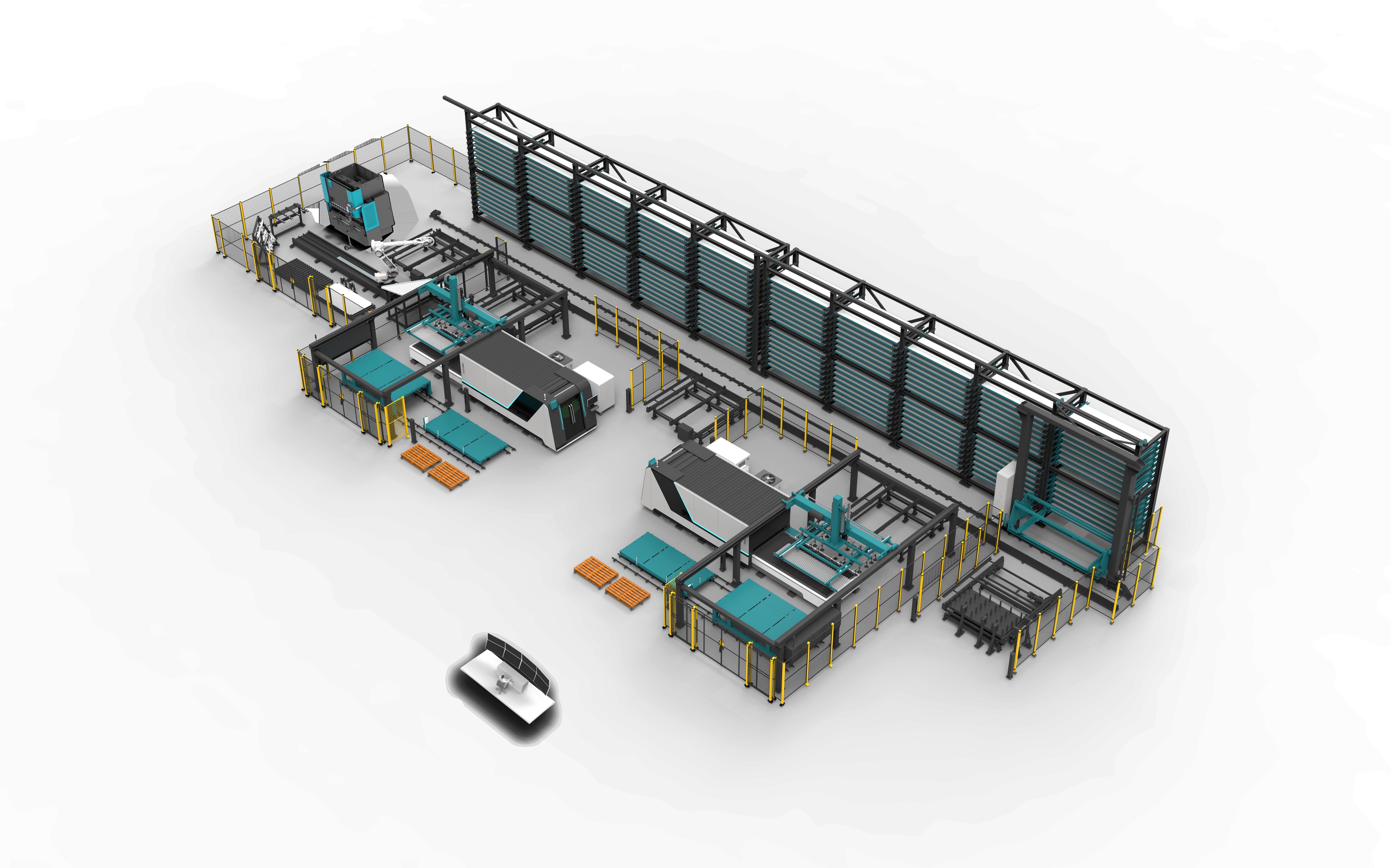
Finally, press brakes offer a quick return on investment for many fabrication shops. Because one machine can perform the work of multiple dedicated forming stations, floor space is conserved, and capital costs remain manageable. When combined with automated material handling systems or robotic tending arms, a single press brake can operate unattended for long periods, further increasing productivity.
In conclusion, the advantages and characteristics of press brakes — versatility, precision, material range, cost-effectiveness, safety, and automation potential — make them a cornerstone of modern metal manufacturing. Whether bending a simple prototype or producing thousands of identical parts, press brakes deliver the performance and reliability that fabricators have trusted for decades.