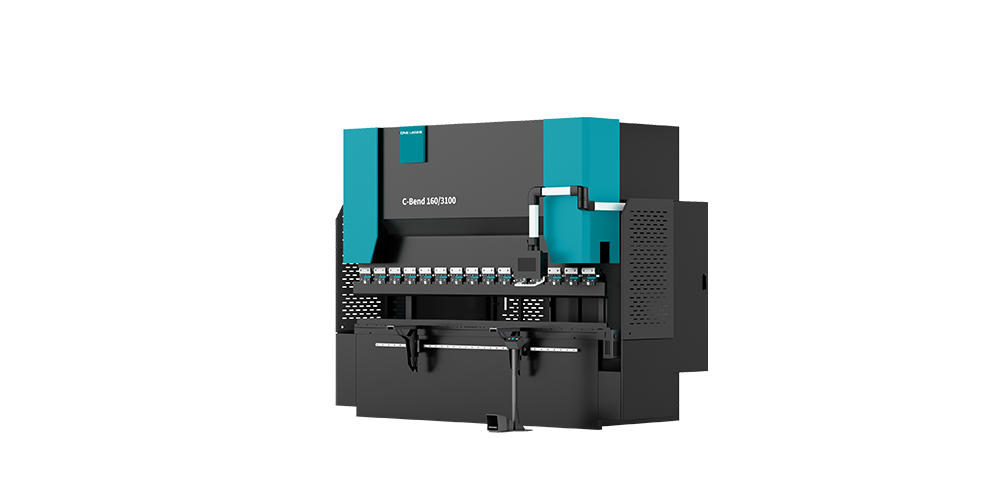
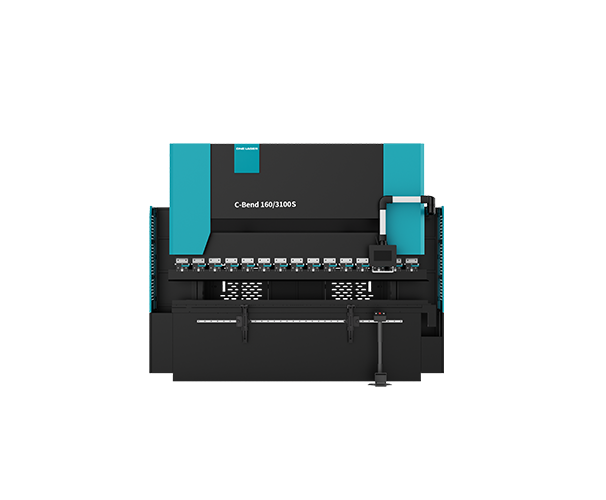
Press brakes are essential machines in metal fabrication, used to bend sheet metal into precise angles and shapes. Despite their widespread use and technological advancements, operating a press brake comes with significant challenges. These range from accuracy issues and springback effects to tooling wear and safety concerns. Fortunately, practical solutions exist for each of these problems.
One of the most common difficulties is achieving consistent bending accuracy. Factors such as material thickness variation, grain direction, and machine deflection can cause the final bend angle to differ from the intended design. Even a slight inconsistency in the metal can lead to rejected parts. The solution lies in a combination of proper machine calibration and the use of CNC-controlled back gauges. Modern press brakes are equipped with real-time angle measurement systems that automatically adjust the ram depth during the bending process. Additionally, operators should perform test bends on scrap material first and compensate for any deviations before running the full production batch.
Another persistent challenge is springback. When metal is bent, it naturally tries to return to its original flat shape due to its elastic properties. This phenomenon makes it difficult to achieve precise angles, especially with high-strength steels or aluminum. To overcome springback, operators can use a technique called overbending — bending the material slightly beyond the desired angle so that it springs back to the correct position. Alternatively, bottoming or coining methods, which apply greater pressure to force the material into full contact with the die, can virtually eliminate springback. Choosing a press brake with advanced CNC software that calculates the exact springback compensation for each material type is also highly effective.
Tooling wear and misalignment present a third major difficulty. Punches and dies endure tremendous pressure and friction over time, leading to rounding of edges or cracking. Worn tools produce inconsistent bends and can damage the workpiece. Regular inspection and preventive maintenance are essential. Operators should replace worn tools immediately and use proper storage racks to prevent accidental damage. Ensuring that the punch and die are perfectly aligned along the entire length of the machine is equally important. Many modern press brakes feature hydraulic crowning systems that automatically compensate for any deflection in the machine frame or tooling, maintaining uniform bending pressure across the full width of the material.
Safety remains a constant concern. Press brakes generate enormous force — enough to cause severe injury if hands or fingers are caught between the punch and die. Traditional two-hand controls are helpful but do not eliminate the risk. The recommended solution is the installation of laser safety curtains or light guards that instantly stop the ram if any object, including an operator's hand, enters the danger zone. Coupled with proper training on safe work habits and the use of push sticks or holding tools for small parts, these systems dramatically reduce accident rates.
Finally, setup time and material waste can be challenges for shops running small batches of different parts. Frequent tool changes and trial bends consume valuable production time. Investing in quick-change tooling systems and offline programming software allows operators to prepare the next job while the machine is still running. Simulation features also verify the bend sequence before any metal is cut, reducing scrap.
In conclusion, while press brakes present real challenges in precision, material behavior, tool maintenance, safety, and efficiency, none of these are insurmountable. Through the adoption of CNC controls, real-time feedback systems, proper tooling care, safety devices, and smart setup practices, manufacturers can turn these difficulties into manageable tasks. Mastering these solutions is key to achieving consistent, high-quality, and safe press brake operation.