Out-of-specification tolerances, failed prototype iterations, and unexpected rework costs are the most common reasons why laser-cut parts cannot be delivered on time. This guide provides engineers and purchasing teams with an immediate manufacturability baseline before requesting a quote. For engineers and purchasing personnel who require clear manufacturability data, this article provides a detailed analysis of constraints, tolerances, and design rules.
What is Laser Cutting?
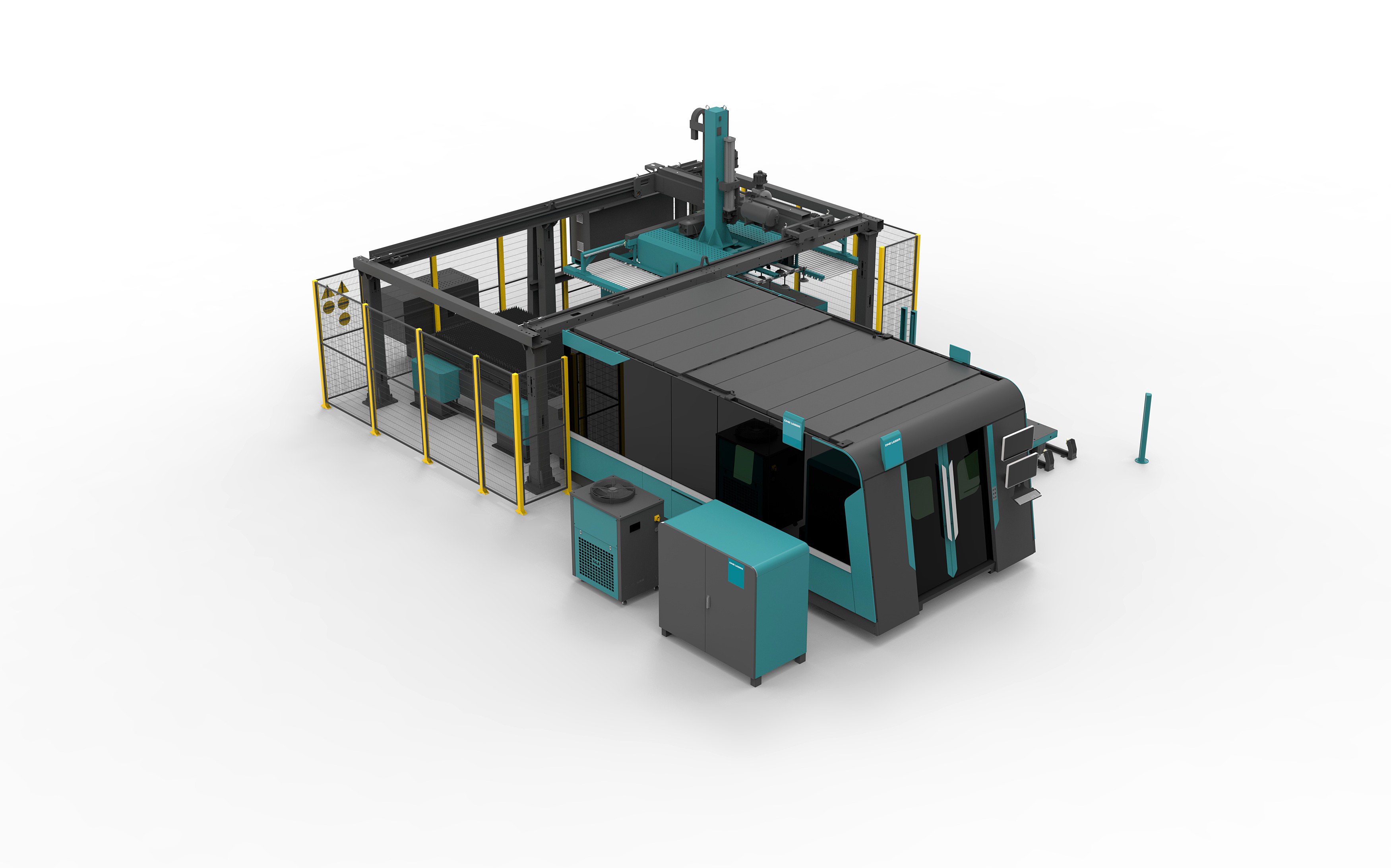
Laser cutting is a precision manufacturing process that uses a highly focused laser beam to cut, melt, or vaporize material along a pre-defined path. Industrial laser cutting systems can process metals, plastics, wood, and composite materials at high speeds with narrow kerf widths and minimal mechanical contact.
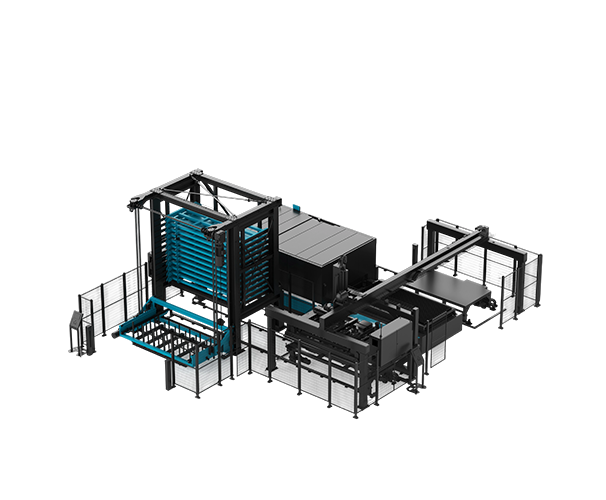
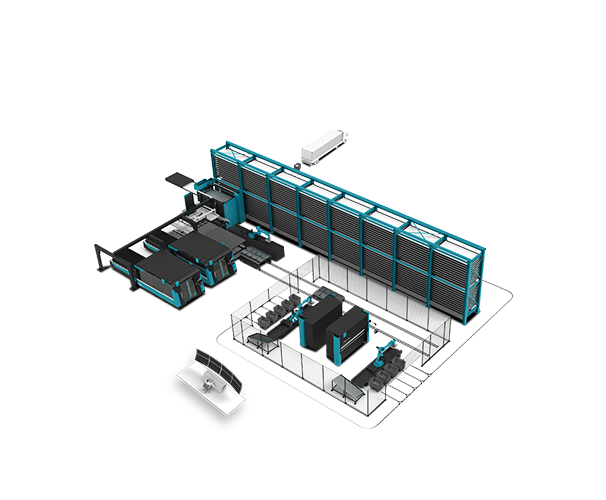
Modern CNC laser cutting machines follow digital CAD instructions and can process complex two-dimensional contours, holes, grooves, and engraved features with repeatable precision. This process is widely used in sheet metal processing, automotive parts, electronic housings, aerospace brackets, medical devices, and rapid prototyping.
How Does a Laser Cutting Machine Work?
Laser cutting machines use a high-power focused beam to melt, burn, or vaporize material. Then, a high-pressure assist gas (such as nitrogen or oxygen) blows away the molten slag, creating a clean, sharp edge. This process can create extremely narrow kerfs, as narrow as 0.10 mm.
Industrial laser systems employ a standard six-step workflow. First, RapidDirect's CAM system uses specialized laser cutting software to convert the CAD file into machine-readable G-code. The machine's resonant cavity generates a laser beam, which is guided to the cutting head via fiber optics or mirrors.
A lens focuses the beam onto a tiny, high-density spot on the metal sheet or non-metallic workpiece. Finally, a CNC system controls the laser head to move along a preset vector path, thus separating the part. For closed internal contours, the laser must penetrate the material before it can move, which can take several seconds on thicker sheets.
Depending on the equipment configuration, cutting methods vary. Vaporization cutting uses extremely high temperatures to instantly ablate the metal. Melting cutting, on the other hand, melts the metal under the influence of an inert gas, forcing it through the kerf. Flame cutting utilizes the exothermic reaction generated by oxygen, significantly accelerating the cutting speed of thick steel.
Core Types of Laser Cutting Machines
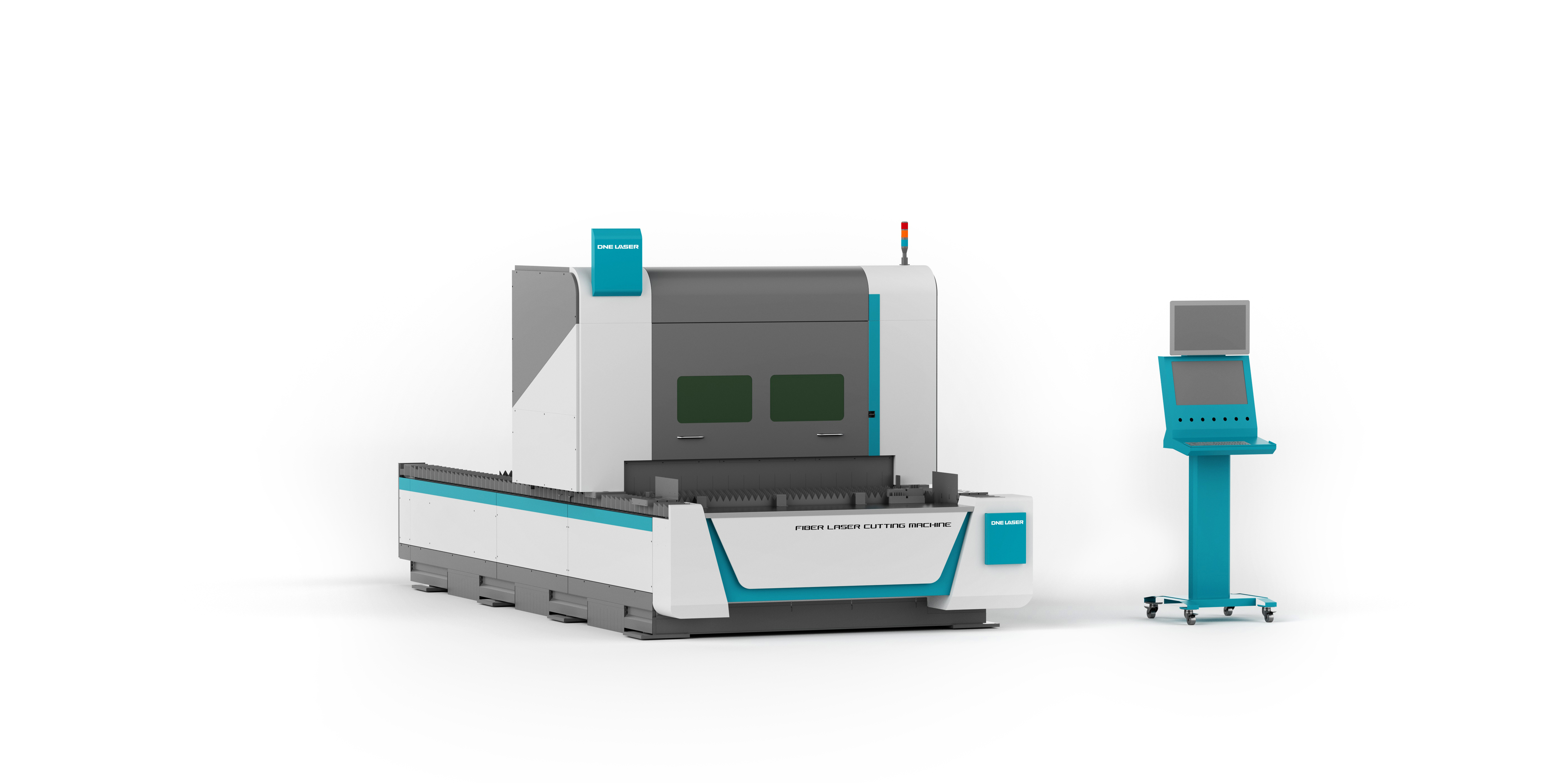
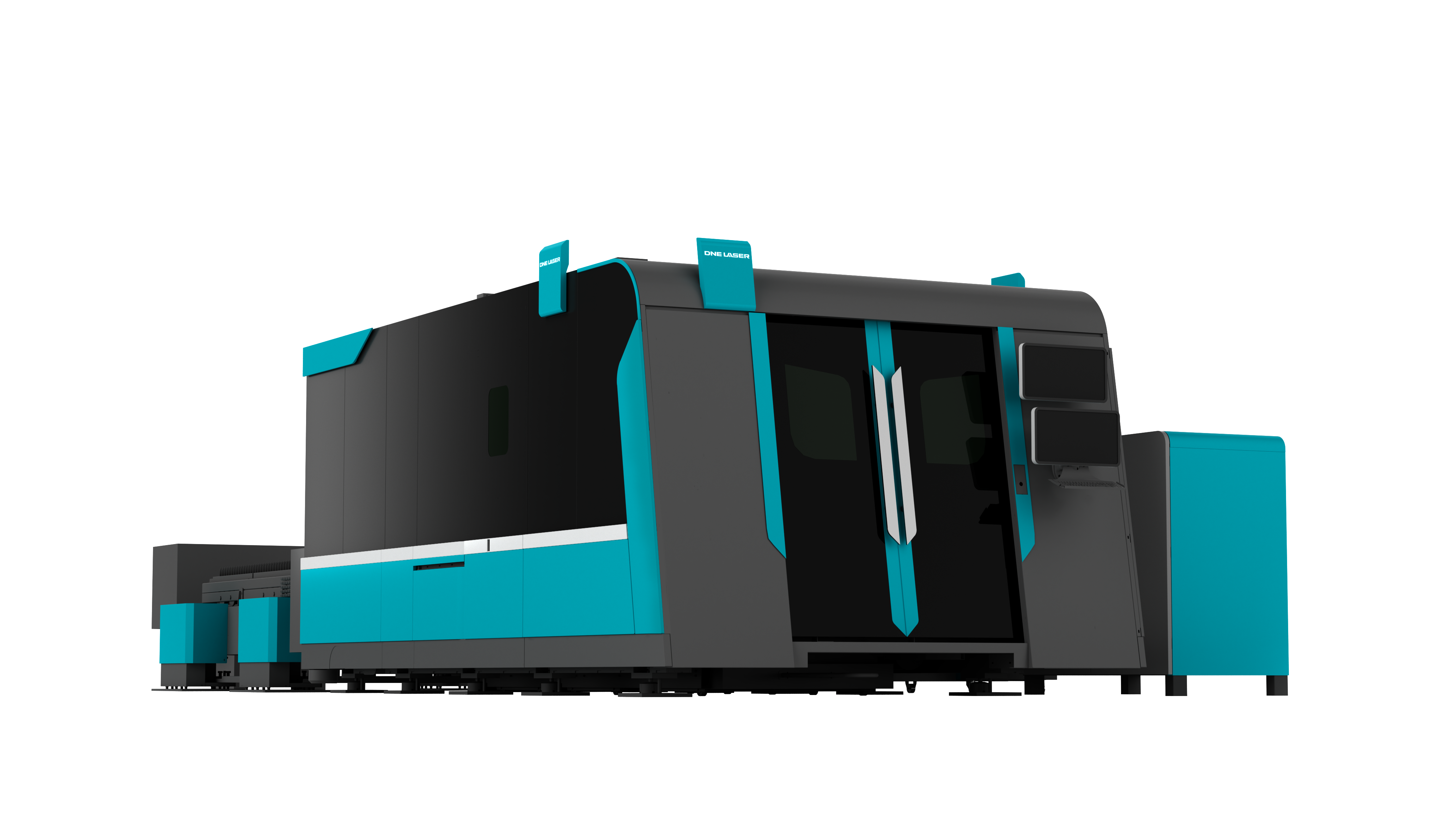
Fiber Laser Cutting Machines: Fiber lasers are standard equipment in modern metal laser cutting services. They utilize rare-earth-doped optical fibers to generate light with shorter wavelengths (800-2200 nm), which are efficiently absorbed by metals. Therefore, fiber lasers are the best choice for cutting highly reflective metals such as aluminum, copper, and brass.
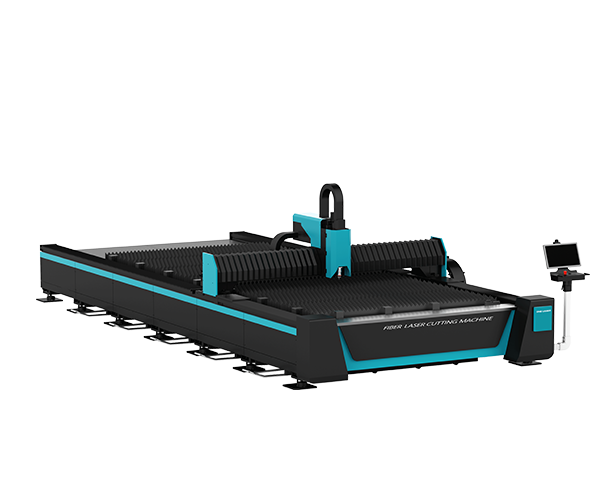
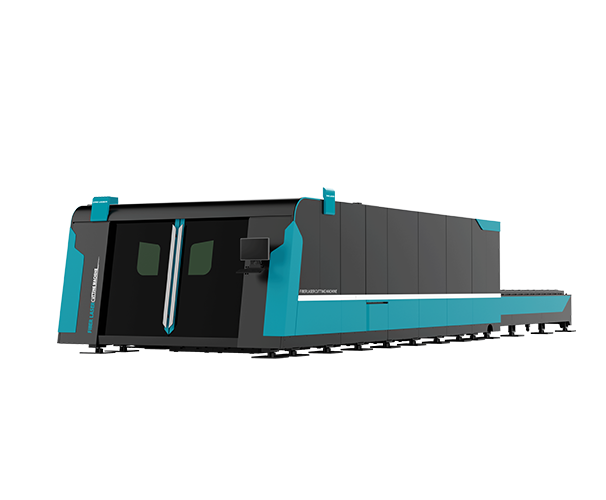
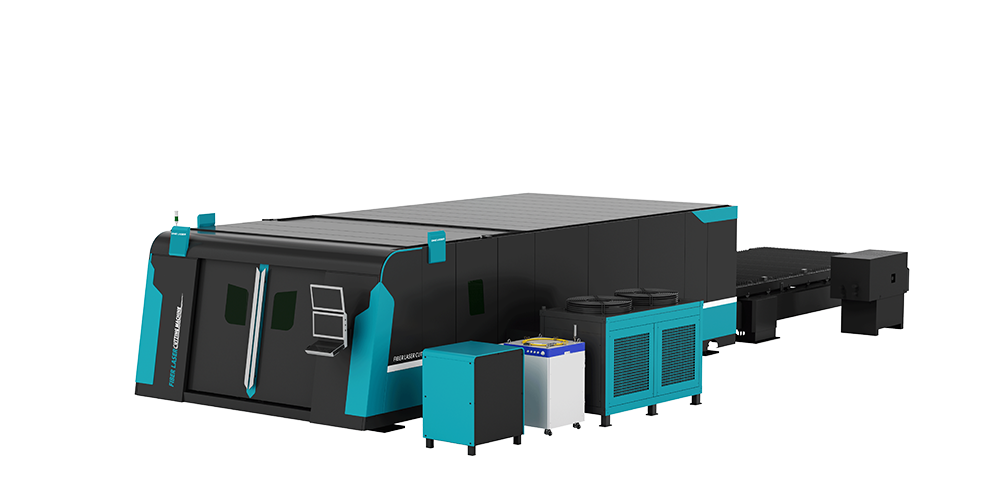
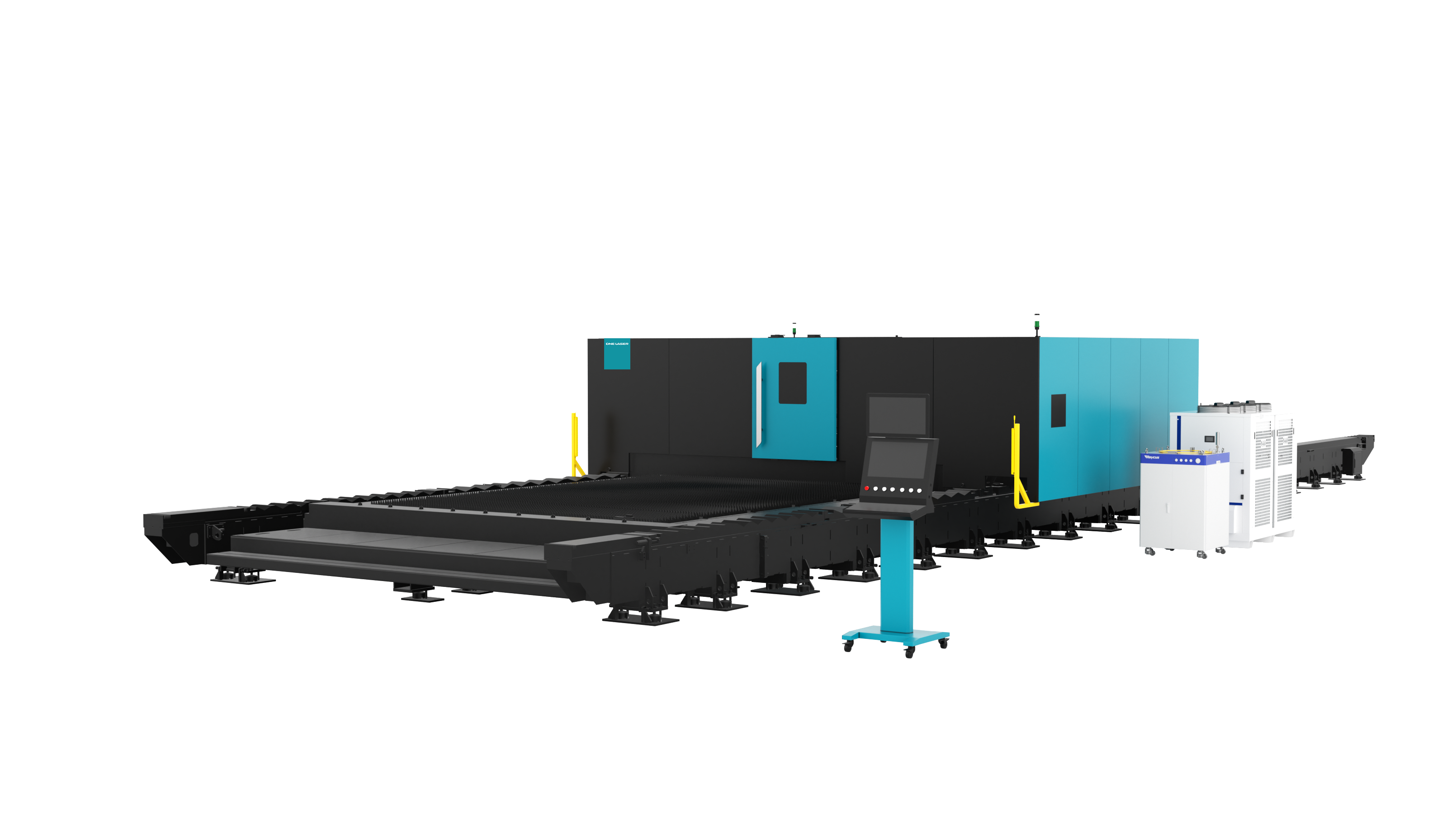
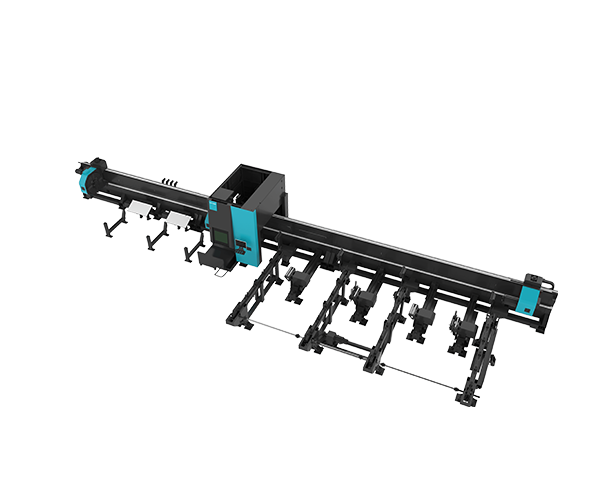
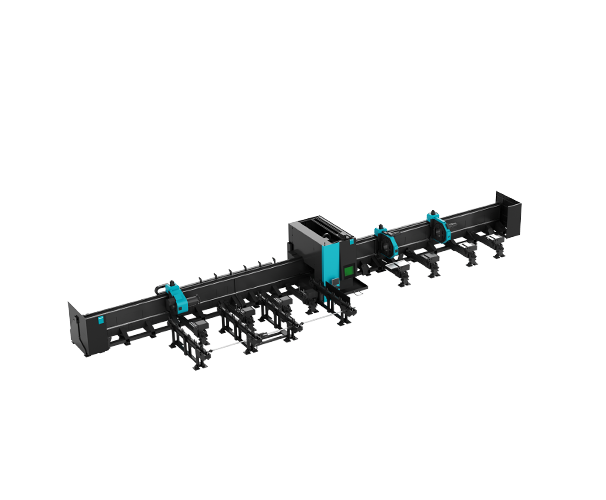
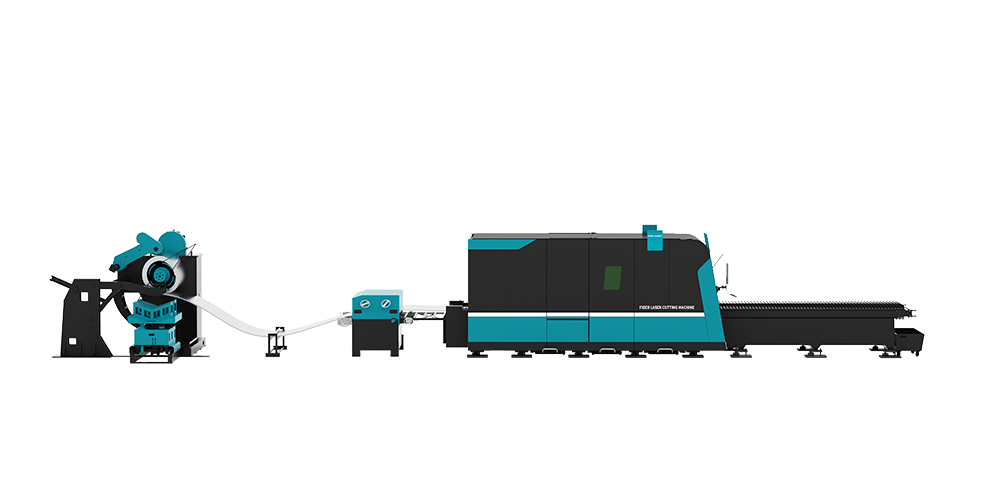
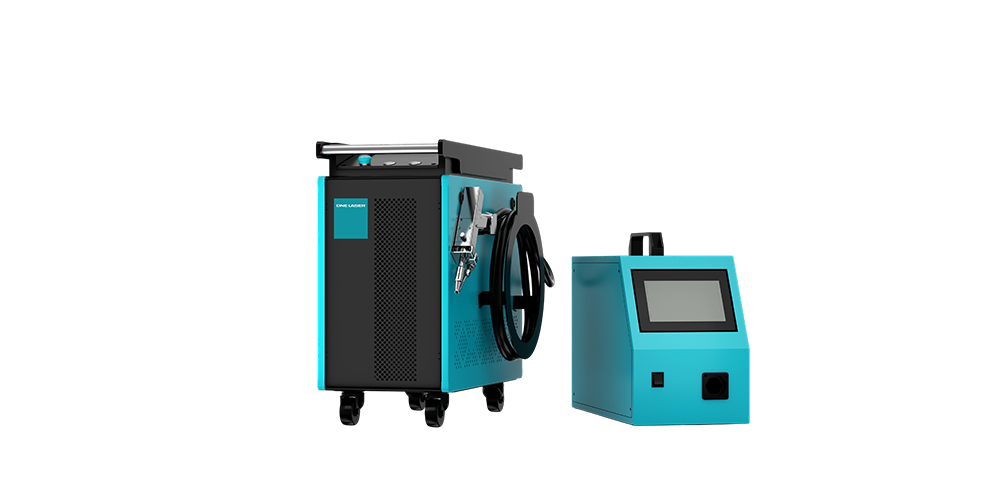
Fiber laser systems offer fast cutting speeds and high kerf parallelism. They have extremely high electro-optical conversion efficiency and a lifespan of up to 100,000 hours. Their precise beam transmission characteristics make them ideal for dedicated CNC fiber laser cutting machines or laser tube cutting machines.
CO2 Laser Cutting Machines: CO2 laser cutting systems use a mixed gas to generate a laser beam with a wavelength of 10.6 micrometers. This longer wavelength is easily absorbed by non-metals, making CO2 laser cutting machines the preferred choice for cutting organic and plastic materials. They also perform excellently in laser cutting wood or acrylic.
While CO2 lasers can process thin metal sheets, they are inefficient at processing reflective metals. Compared to fiber lasers, CO2 lasers consume more power and typically require laser tube replacement every 30,000 hours of operation.
Nd:YAG Lasers
These solid-state lasers produce high-intensity pulses. They excel in micromachining, precision engraving, and drilling, rather than traditional sheet metal laser cutting. They offer high precision but are more expensive to operate and less energy efficient than fiber systems.
Laser Cutting Material Compatibility
Understanding which materials are suitable for CNC laser cutting machines can prevent equipment damage and parts scrap. Different wavelengths determine compatibility.
Supporting Metals
Metal laser cutting machines can easily process carbon steel, stainless steel, aluminum, brass, and titanium. Precision laser cutting is the standard process for custom metal parts, chassis, and supports, with achievable tolerances typically between ±0.1 mm and ±0.25 mm, depending on material thickness and geometric complexity. RapidDirect supports the processing of a wide variety of sheet metal. If you require thin metal laser cutting services for extremely clean edges and minimal heat distortion, RapidDirect is the ideal choice.
Supported Non-Metals
You can successfully laser cut acrylic sheets, plywood, medium-density fiberboard (MDF), plastics, and fabrics. MDF and Baltic birch are ideal woods for laser cutting due to their uniform density and minimal resin porosity. Dedicated wood or acrylic laser cutters operate efficiently and cleanly, provided there is proper ventilation.
Prohibited Items
Never use a laser cutter to process PVC, vinyl, ABS, or thick polycarbonate. These materials release toxic chlorine or cyanide at high temperatures. This will immediately damage the machine's optics, corrode structural components, and pose a serious safety hazard to operators.
Laser Cutting with Other Manufacturing Processes
Evaluating various alternative methods ensures you choose the most efficient production strategy for the output and geometry of a specific part.
Laser Cutting vs. Waterjet Cutting
Waterjet cutting uses a medium of high-pressure water mixed with abrasive particles. It can cut materials much thicker than laser cutting and does not create a heat-affected zone (HAZ). Waterjet cutting machines are typically slower and require abrasive consumables that are prone to producing impurities. Therefore, for thin to medium-thickness metal sheets, laser cutting is faster and cheaper.
Laser Cutting vs. Plasma Cutting
Plasma cutting uses a high-speed jet of high-temperature plasma to melt conductive metal, enabling efficient processing of very thick steel sheets. Compared to precision CNC fiber laser cutting machines, plasma cutting produces wider kerfs, lower precision, and coarser edges.
Laser Cutting vs. CNC Machining
CNC milling excels at machining three-dimensional features, blind holes, and varying depths of cut. Laser cutting, on the other hand, is a purely two-dimensional contour machining process suitable for flat sheets or tubes. For planar two-dimensional contours, laser cutting is far faster than other processes and eliminates the need for custom fixtures, thus saving costs. RapidDirect can coordinate multiple processes within a single project, including CNC machining and sheet metal fabrication, to recommend the best solution.