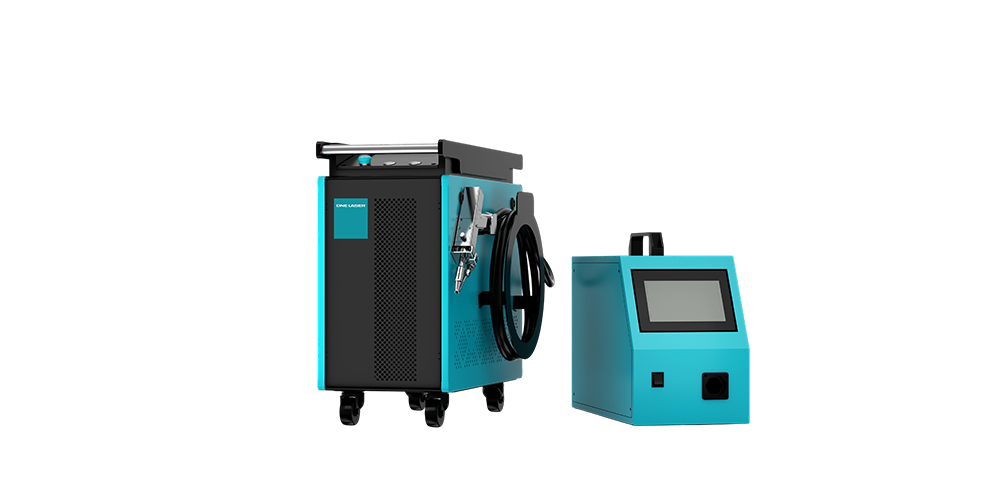
While both plasma cutting and laser cutting utilize heat to cut (or shape) metal, choosing between them for a manufacturing project is an analytical task. These two thermal cutting methods each have their unique performance and processing characteristics. The right choice depends on which method best meets your cutting needs, including material compatibility, required precision, speed, and budget constraints.
What is Laser Cutting?
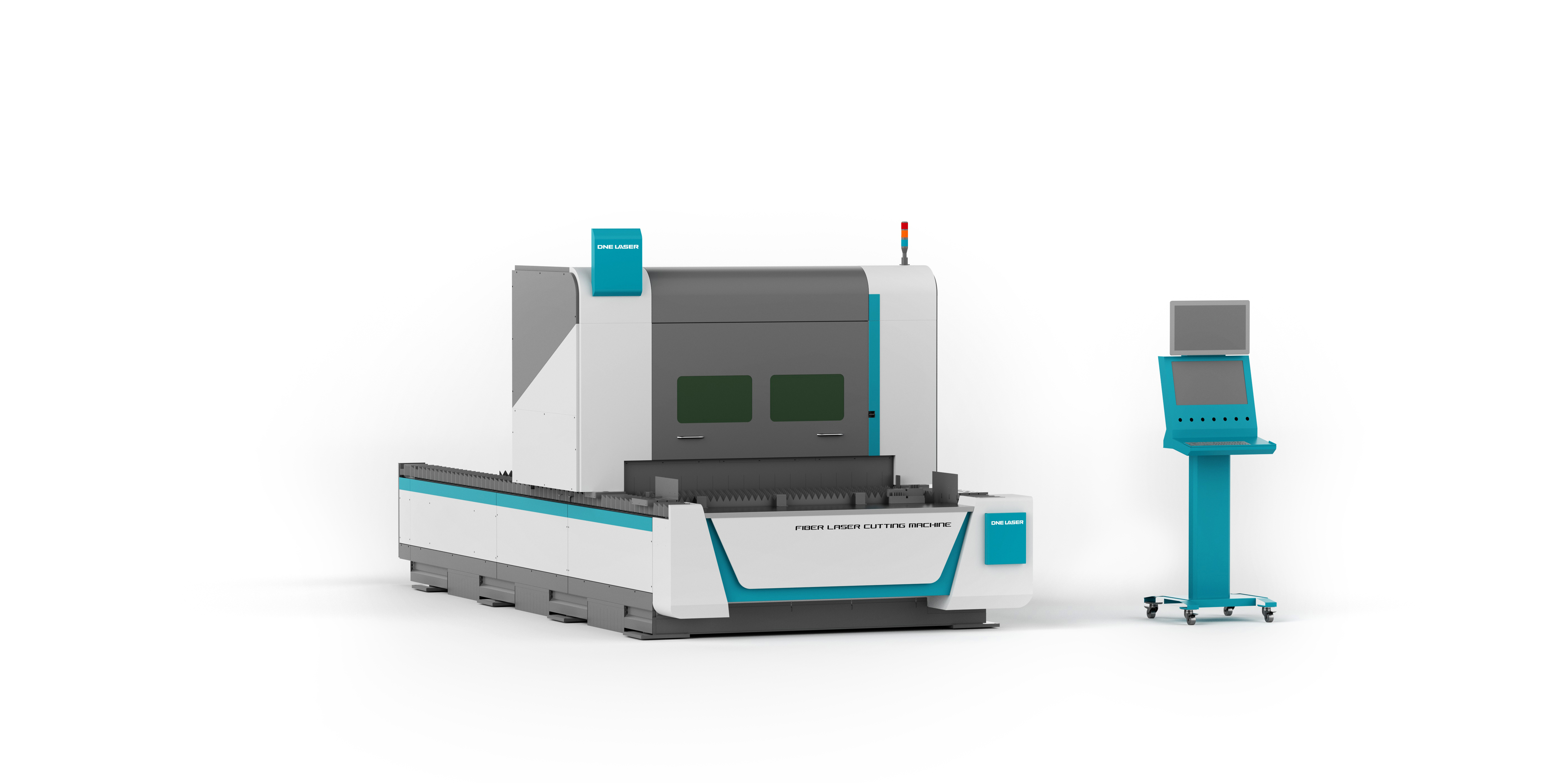
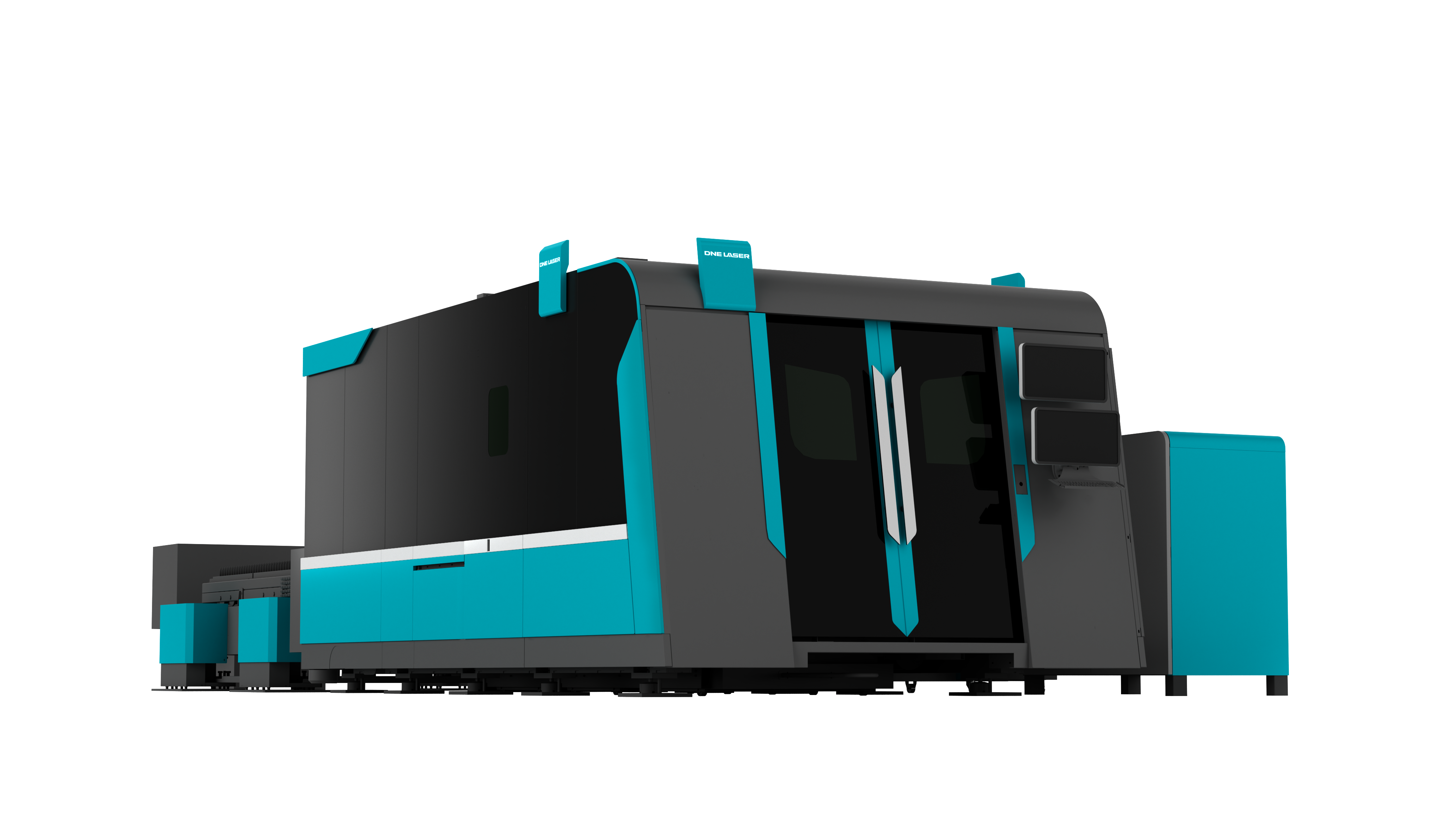
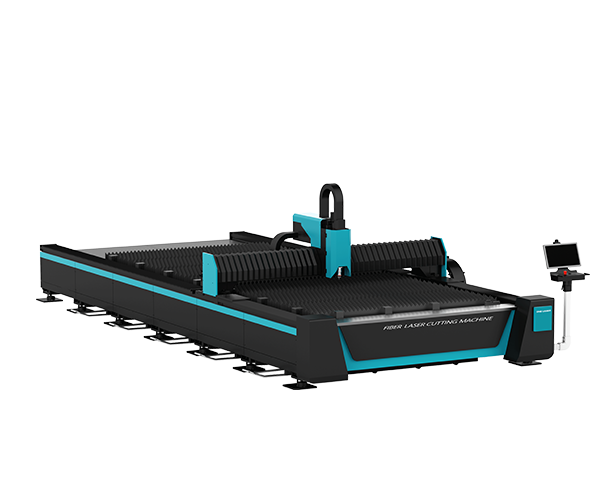
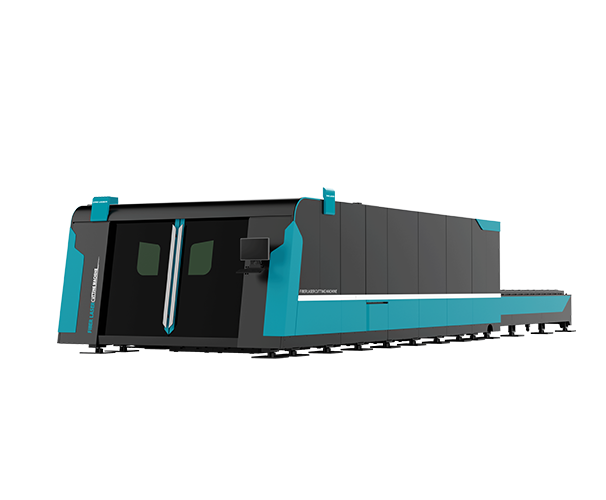
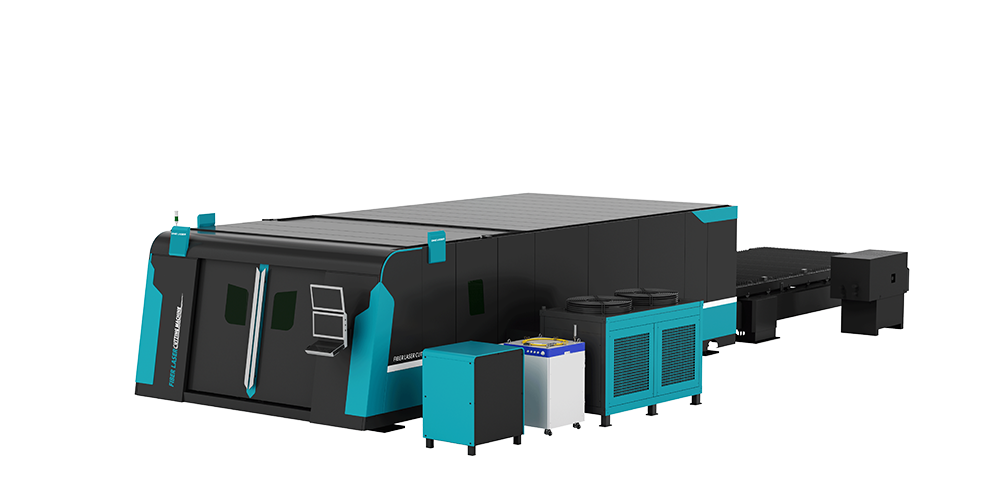
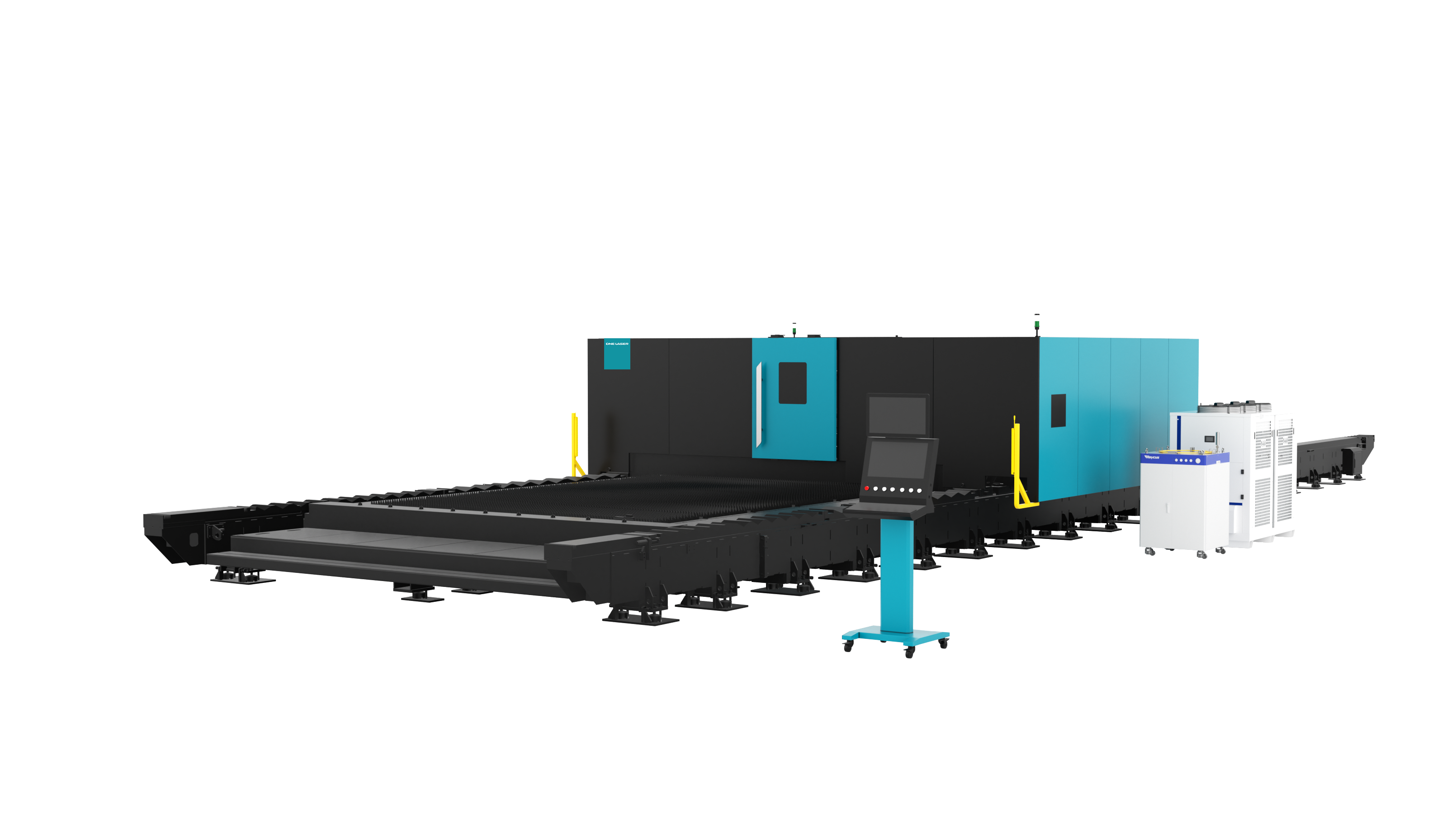
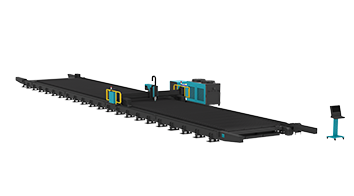
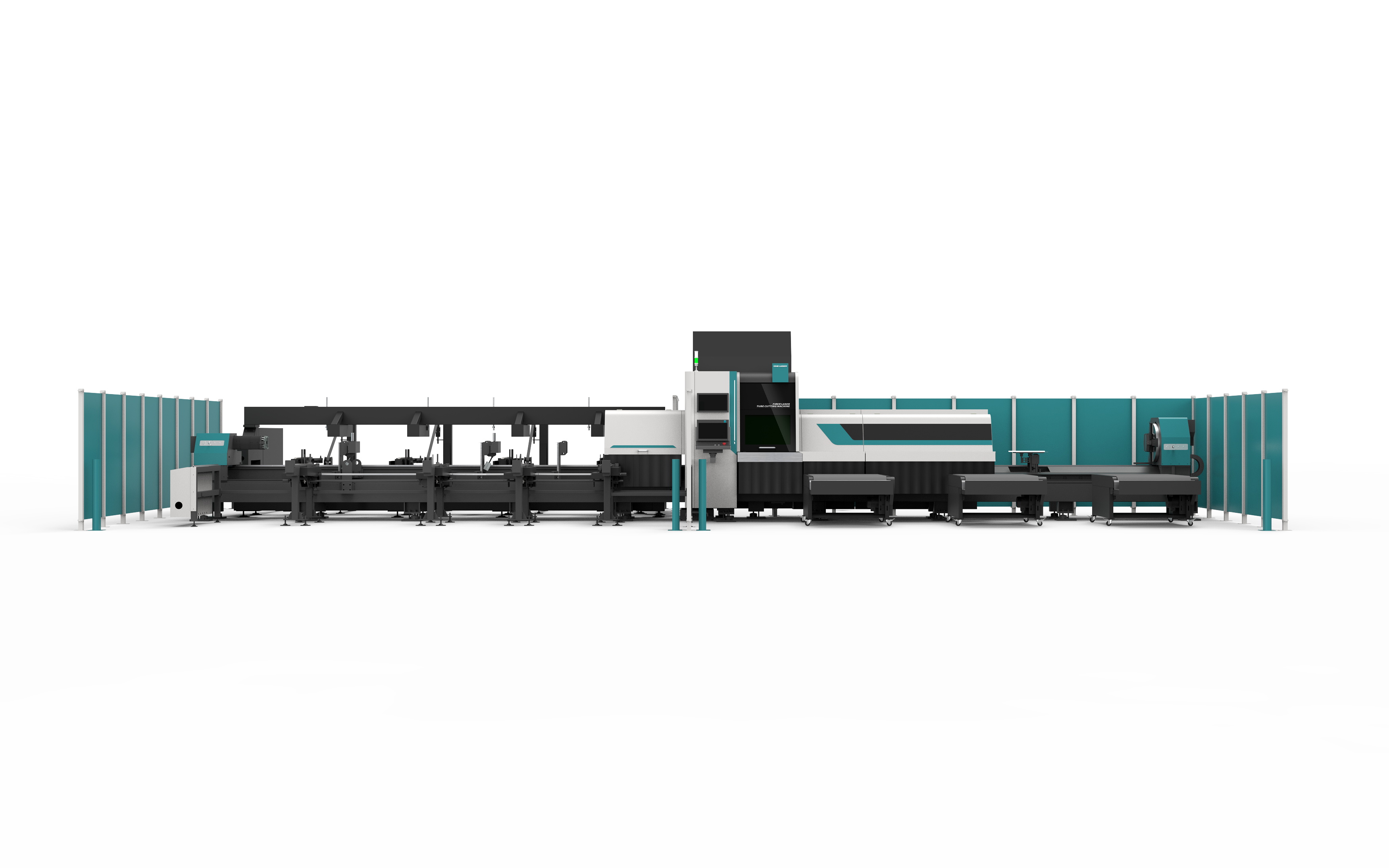
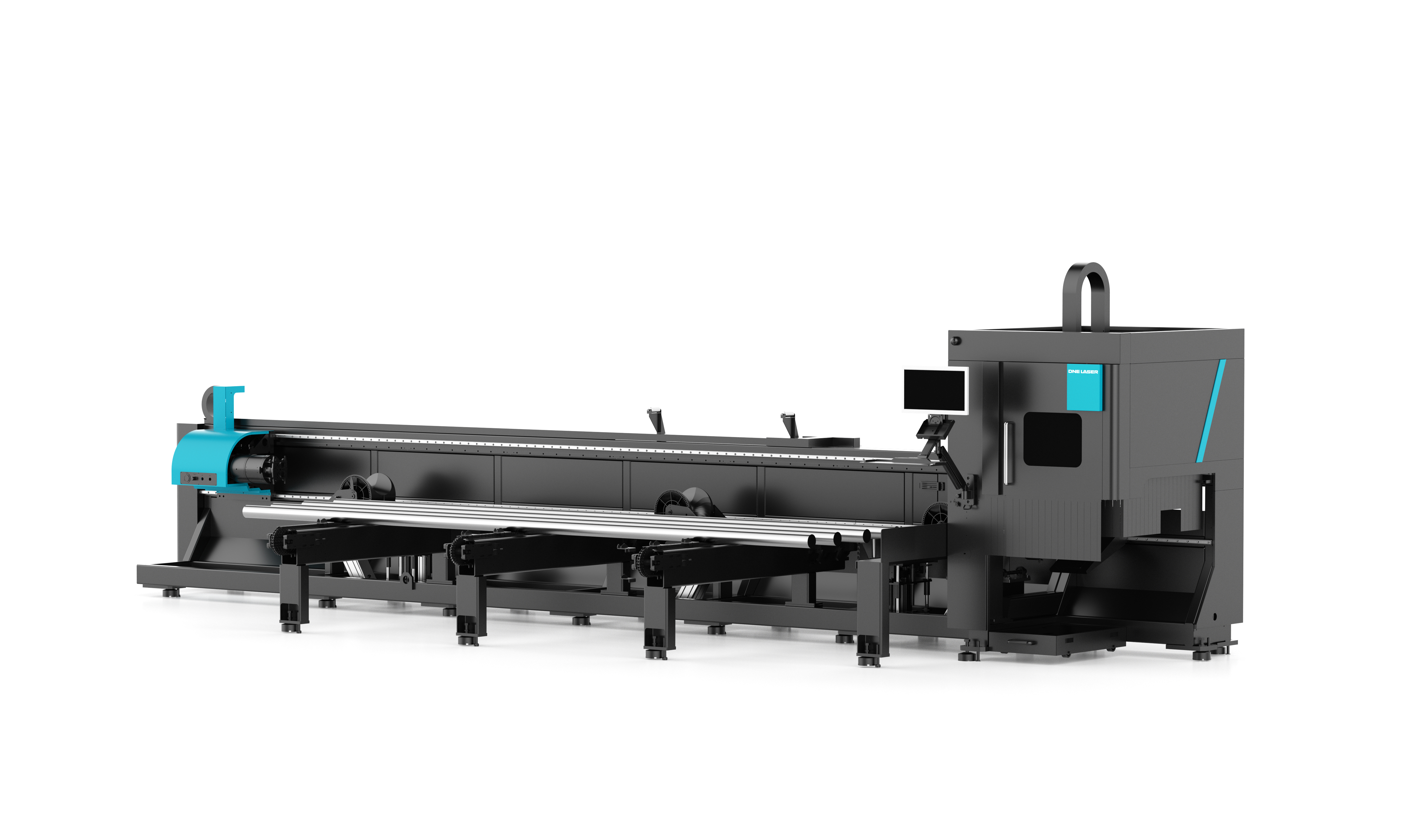
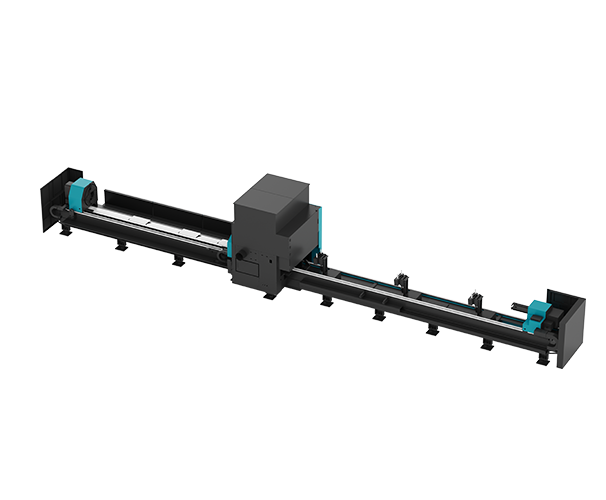
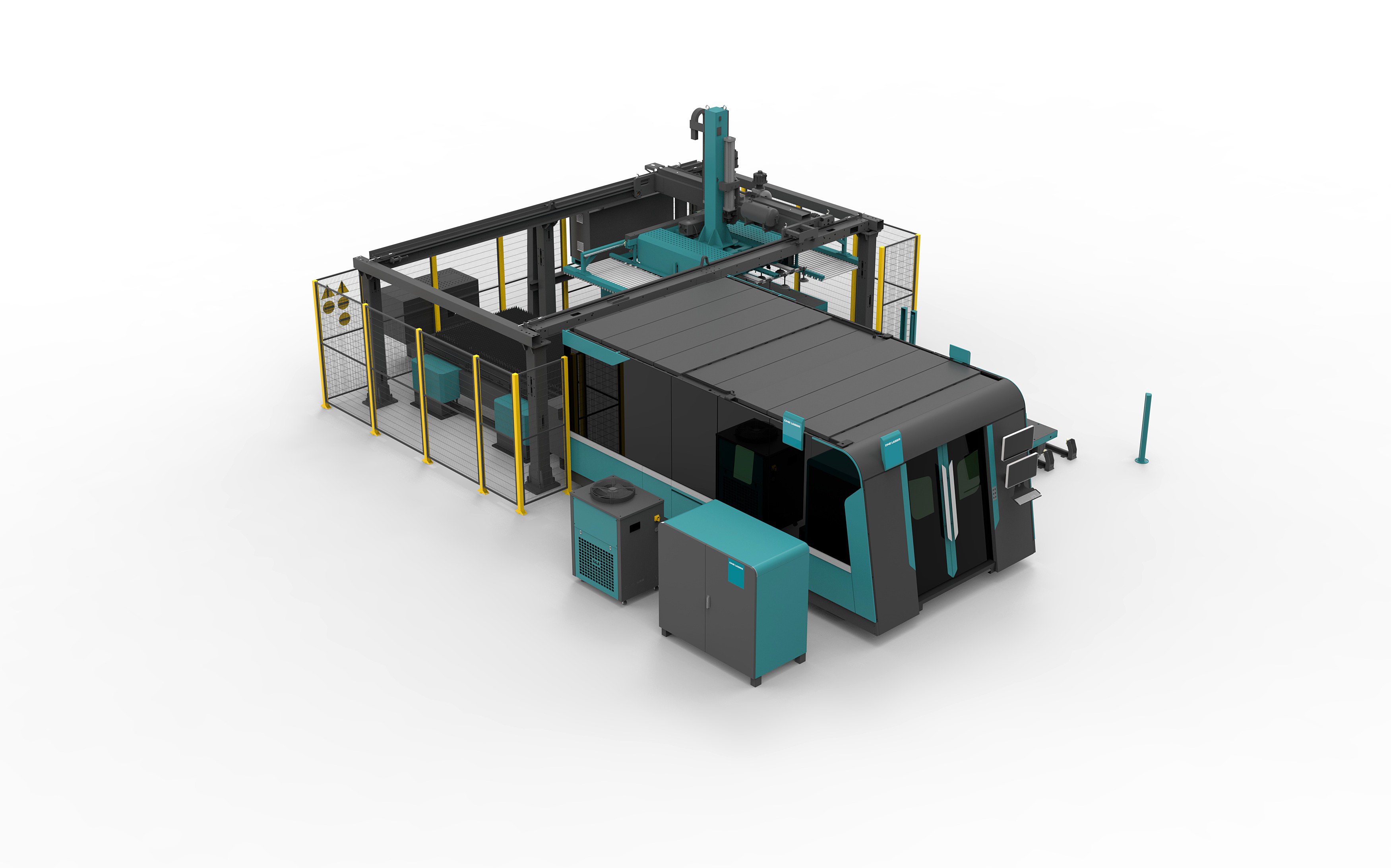
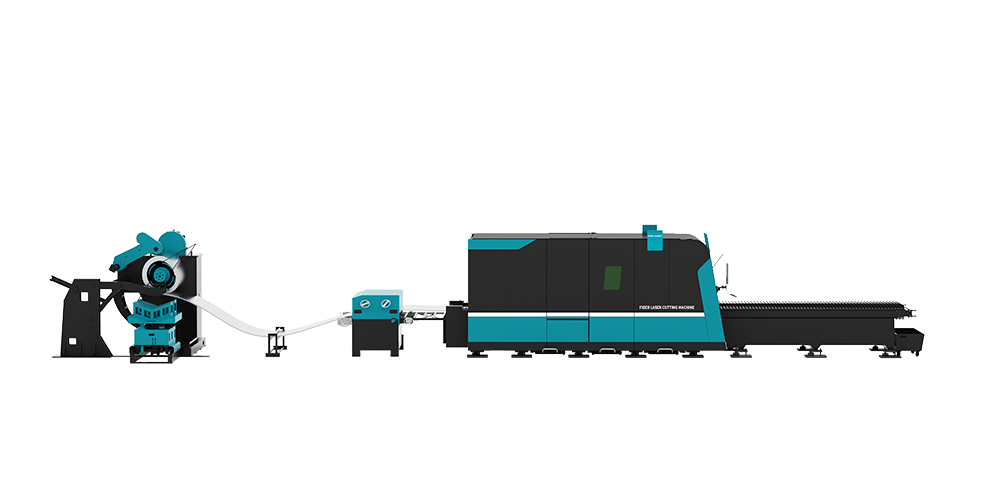
Laser cutting is a non-contact cutting process that can cut thin sheets of various materials. A high-energy laser beam precisely melts and vaporizes the material, enabling complex contour cuts. The history of laser cutting machines dates back to 1964, when an industrial company first used laser cutting technology to drill holes in molds.
How Does Laser Cutting Work?
A complex laser system consists of multiple components used to perform the laser cutting process, which involves all aspects from generating the laser beam to controlling the beam into a predetermined cutting path.
Types of Laser Cutting Machines
In manufacturing, there are currently three main types of laser cutting machines, distinguished by the medium used to generate the laser beam: carbon dioxide lasers, optical fibers, and neodymium:yttrium aluminum garnet crystals. These laser media have wavelengths of 10.6 micrometers, 1.06 micrometers, and 1.06 micrometers, respectively. Variations in wavelength affect the interaction between the laser and different materials. For example, some materials absorb specific wavelengths more effectively than others.
What is Plasma Cutting?
Plasma cutting is a process that uses a high-temperature ionized gas stream to cut thin metal sheets. An electric spark provides extremely high temperatures to compressed gas (air, hydrogen, or argon), exciting atomic motion. Subsequently, molecules collide continuously, causing them to separate from the gas, forming a plasma with temperatures exceeding 20,000 degrees Celsius.
How Does Plasma Cutting Work?
The plasma cutting torch is the key piece of equipment in this process. It consists of several components, including electrodes, a gas supply system, a nozzle, and a protective gas. The electrodes generate an electric arc in the compressed gas (air or inert gas), and then the nozzle guides the formed plasma jet towards the workpiece.
Types of Plasma Cutting Machines
Plasma cutting systems can be equipped with different types of cutting blades to cut on a worktable. Common examples include air plasma cutting blades, oxygen plasma cutting blades, high-definition plasma cutting blades, and CNC plasma cutting blades.
Key Differences Between Laser Cutting and Plasma Cutting
Cutting Precision and Accuracy
Precision is one of the main differences between laser cutting and plasma cutting. A laser beam is more concentrated than a plasma beam, allowing for precise positioning within narrow areas. It can cut workpieces with consistent contours, extremely small tolerances, and clean, burr-free edges. Plasma cutting, on the other hand, has lower precision and a larger kerf. Laser cutting tolerances can reach ±0.030 mm, while plasma cutting tolerances are only ±0.1 mm.
Speed and Efficiency
The cutting speed comparison between plasma cutting machines and laser cutting machines depends on the thickness of the sheet material. For thinner sheets (< 1.25 mm), laser cutting speeds are almost twice that of plasma cutting machines, while plasma cutting machines are better suited for cutting thicker sheets. Furthermore, cutting speeds also vary depending on laser power and the type of material being cut. For example, a 200W laser can cut 3mm thick low-carbon steel at speeds up to 10 meters per minute.
Materials: Laser cutting systems are compatible with a wide range of materials, including steel, aluminum, copper, acrylic, thermosetting materials, rubber, and wood. In contrast, plasma cutting can only be used on conductive metals. A plasma arc requires a circuit to function, and the circuit is closed when a conductive material acts as the "ground terminal."
Surface Finishing: Laser-cut metal surfaces are smooth and burr-free, even with narrow kerfs and complex patterns. The edges are also sharp and clean. Therefore, almost no post-cutting processing is required. Plasma cutting, on the other hand, leaves rough edges such as slag and burrs, requiring post-cutting processes such as grinding and sandblasting.
Cost and Operating Expenses: CNC plasma cutting machines have lower installation costs, ranging from $10,000 to $100,000. In contrast, laser cutting machines are more complex to install, require advanced equipment, and are more expensive, ranging from $50,000 to $500,000. Furthermore, the operating costs of laser systems are slightly higher than those of plasma cutting systems. Cutting Thickness
Comparing the thickness capabilities of laser cutting and plasma cutting, plasma cutting is highly effective for thicker materials, with a maximum cutting thickness of up to 50 mm. Laser cutting, on the other hand, is limited to a thickness of 25 mm or less. Furthermore, the cutting thickness also depends on the type of material being cut.
Applications
Plasma cutting, due to its high speed and thin cutting thickness, is widely used in heavy industries such as shipbuilding and construction. Examples include structural beams, ship hull components, agricultural machinery, and oil and gas components.
Laser cutting technology has wide applications in fields with extremely high precision requirements, such as electronics, aerospace, automotive, and jewelry. Examples include micro-components in chips, car body panels, and aircraft fuselages.
Advantages and Disadvantages of Laser Cutting
Advantages of Laser Cutting
* Automation and High Precision: CNC laser cutting machines can create intricate and highly precise complex patterns. This is thanks to the digital control of the cutting path using G-code and M-code.
* Clean and Sharp Cuts, No Burrs: Laser cutting produces clean and sharp edges. Material Versatility: Can cut metals, plastics, fabrics, composites, and many other materials.
Speed and Efficiency: Can accommodate design changes without reassembly or adjustments. Furthermore, laser processing produces less material waste, consumes less power, and is faster.
No Work Hardening: Non-shear cutting eliminates the risk of work hardening near the cut area.
Disadvantages of Laser Cutting:
Thickness Limitation: Even high-powered laser cutters cannot cut sheets thicker than 25 or 30 mm.
Challenges with Reflective Metals: Materials with reflective surfaces, such as copper, brass, and silver, are difficult to cut because their surfaces partially reflect the laser beam.
High Cost: Setup and operating costs are higher than other cutting methods, making this method impractical for projects with low precision and surface smoothness requirements.
Advantages and Disadvantages of Plasma Cutting
Advantages of Plasma Cutting:
Cutting Thicker Materials: CNC-guided plasma cutting torches can cut thicker materials faster and more efficiently, with some materials up to 150 mm thick. Cost-effectiveness: Plasma cutting is a cost-effective option for both simple and heavy-duty operations.
Operational safety: Unlike oxygen cutting, it uses an inert gas to generate a plasma jet within the torch, providing maximum safety.
Cutting reflective metals: Unlike lasers, it is very effective at cutting metals with reflective surfaces, such as silver.
Disadvantages of plasma cutting:
Conductive metals only: It is only compatible with conductive materials, metals, and alloys.
Risk of thermal damage: Compared to laser cutting, plasma cutting produces a larger heat-affected zone, which can damage the original thermal properties of the workpiece material.
Poor surface finish: Plasma cutting leaves burrs and kerfs, resulting in a rough metal cut surface.
Conclusion: Laser cutting and plasma cutting differ in many ways, but both are very useful in metalworking projects. Furthermore, the specific choice depends on the specific requirements of the project, including material type, required precision, and budget. You can analyze the expected results and corresponding costs of each method.