Search
Hot search keywords:
series DNE Mechanical C-Bend
Home·News·Company News

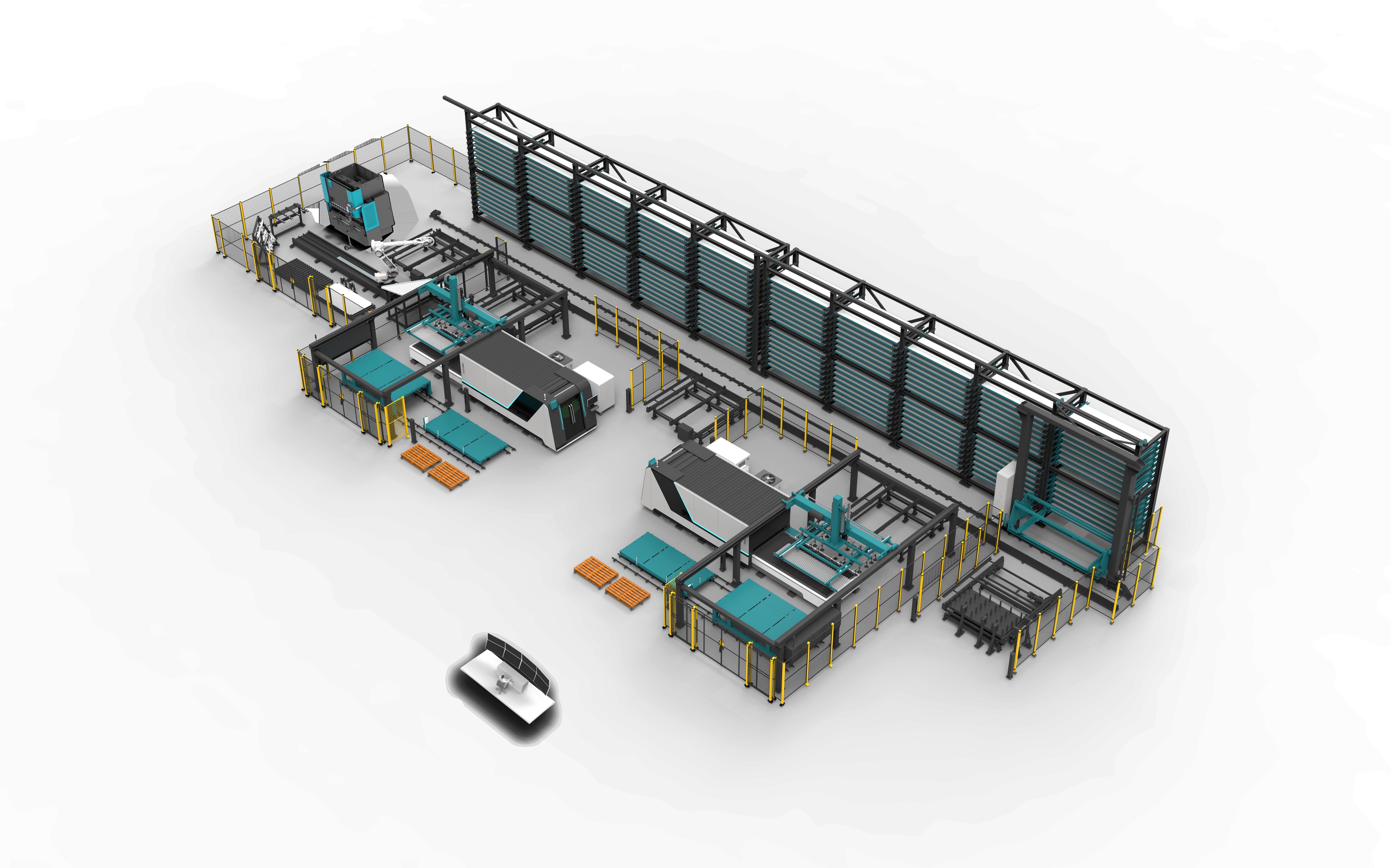
Four Essential Elements of Laser Cutting Automation

Published:2026-08-21
Browse:
Share:
From blanking and unloading to software and communication, these four elements help processors embark on or restart their laser automation journey.

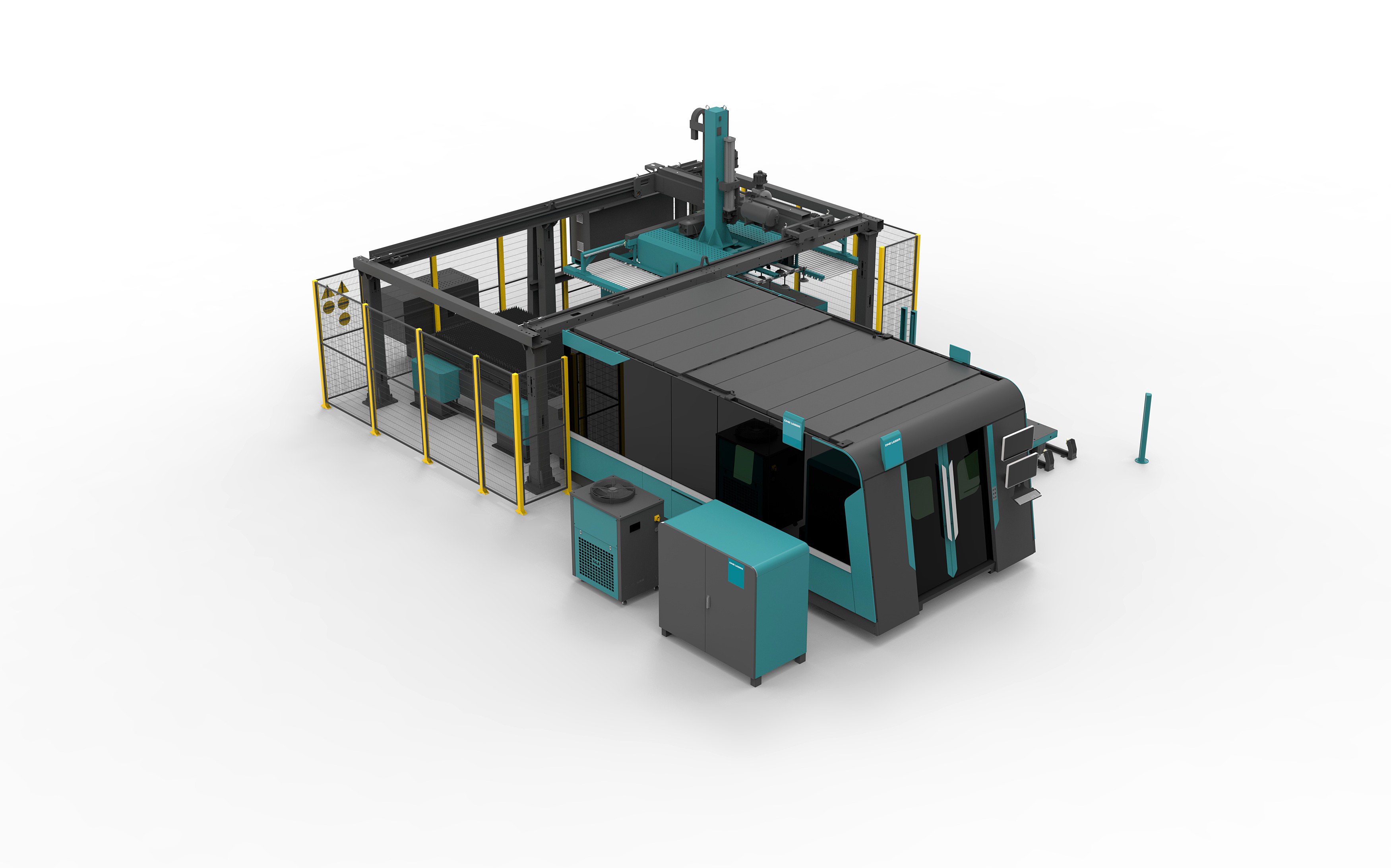
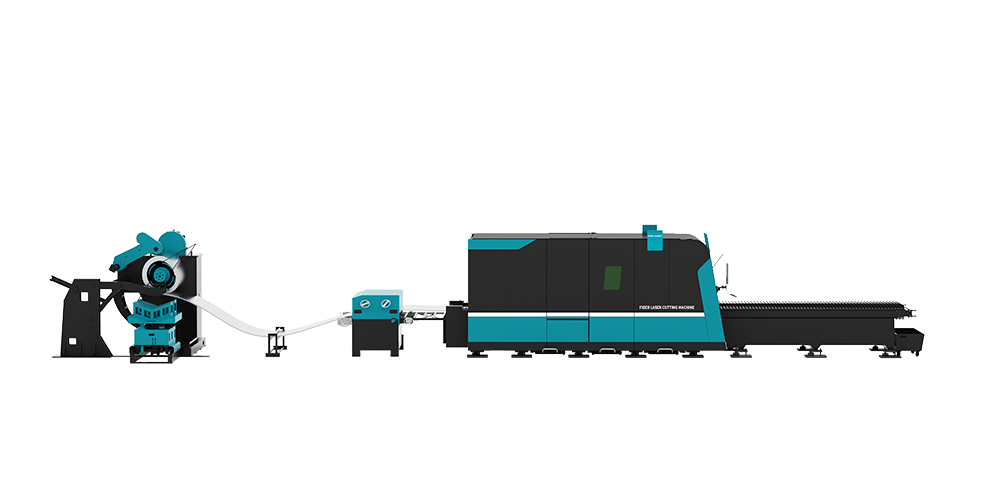
1. Understand Automation Alternatives

To understand the possibilities, you first need to understand the types of blanking automation available. Flowcharts can provide a baseline.

“First, we look at all the steps and study existing best practices,” says Pluld. “We focus on process improvement, examining existing layouts, including the source and destination of materials. We strive to optimize the process.”

Starting from here, imagine how your customer base might evolve and combine this concept with the many automation options on the market.

2. Consider Nesting, Tab Separation, and Unnesting Strategies
As Pluld describes, all these types of laser cutting automation equipment share some common characteristics, including features that help prevent process errors. Suction cup lifts have mechanisms to prevent clamping double-layer sheets, touch sensors are used to verify sheet thickness, and some equipment is also equipped with brushes to clean the strips, removing debris and impurities left over from the previous operation.

During the cutting process, slats support the sheet metal, and the way the workpiece crosses the slats affects its stability. A slender workpiece might cross the slats stably, but if placed parallel to the slats, it may tilt and cause the workpiece head to collide—therefore, miniature clips are needed. The placement of these clips must be carefully designed so that they can be easily disengaged without affecting subsequent processes.

3. Empowering Employees with Technology
Today, advanced software and equipment can handle many of the finer details in laser cutting, from nesting and toolpath creation to beam centering and optimizing nesting layouts for automation. As Pluld explains, significant progress has been made even in the last few years. “Things have changed dramatically since I became a laser cutting operator,” he says. “It’s incredible. Technology is still advancing.”

While working in the shop floor, Pluld uses tape to test that the nozzle is centered in the nozzle orifice. He also checks the nozzle orifice to ensure it is intact and free of debris and spatter. Any buildup can alter the flow of the auxiliary gas around the laser beam, significantly changing the laser's cutting characteristics.

He added that modern technology can now help even those with little laser cutting experience understand efficient and reliable laser cutting processes. When a factory purchases its first system, operators quickly learn how to maintain the efficiency and reliability of the automated cutting process. They understand how material flows within the system and use intuitive software to ensure the automation can operate unattended. "Soon, they'll be able to tell what parts a cutting machine needs to run unattended just by looking at it," Pluld said.

4. Fostering Effective Dialogue

"Technology has made great strides, but the real world is certainly not perfect," Pluld said. He said this is where the last fundamental element—communication—comes in.


Pluld recalled that when he previously worked in a manufacturing plant, communication between operators and programmers was an integral part of the shop floor process. For example, the laser operator on the night shift would quickly hold a stand-up meeting with the operator on the morning shift to discuss the night's work. Does everything look stable? Does the welding strategy take into account the effects of deformation and the needs of downstream processes?

Intelligent software and intuitive controls make laser cutting easier to learn and optimize, especially in terms of joins and toolpath details. Even so, effective communication remains crucial.

niu_icon01.png
Request A Quote
Name*
E-mail*
Phone or WhatsApp*
Country*
City
Company
Cutting Material
Machine Type
Message
Submit Now
Thank you!
Thank you for your attention. We will contact you as soon as possible.
Confirm
Confirm
Product List
Submit information
Submit Now