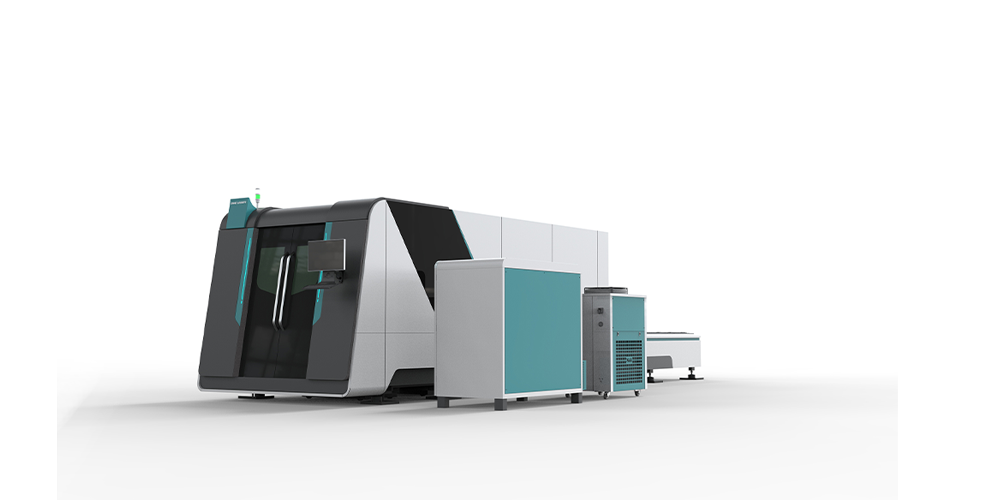
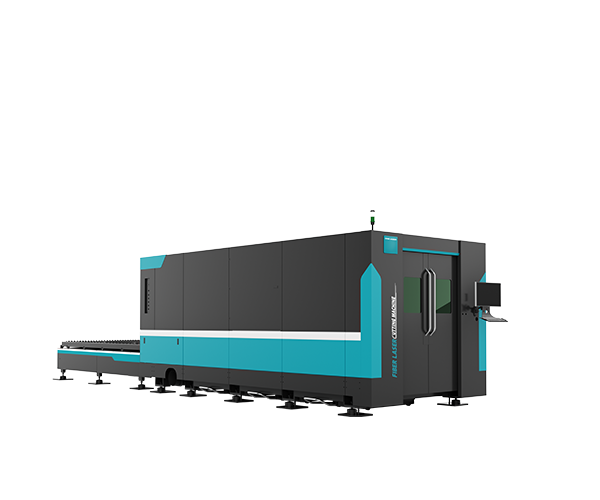
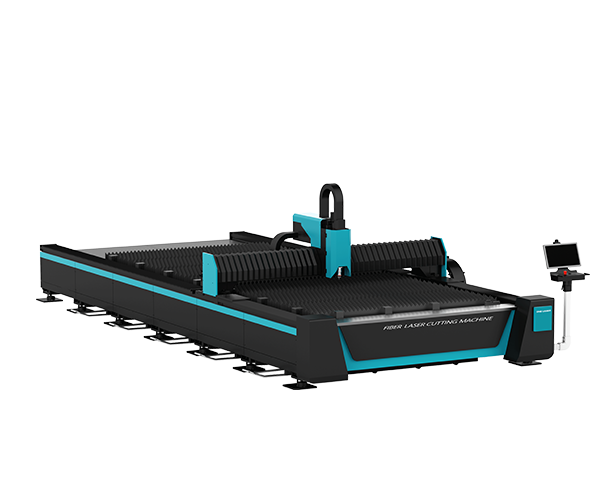
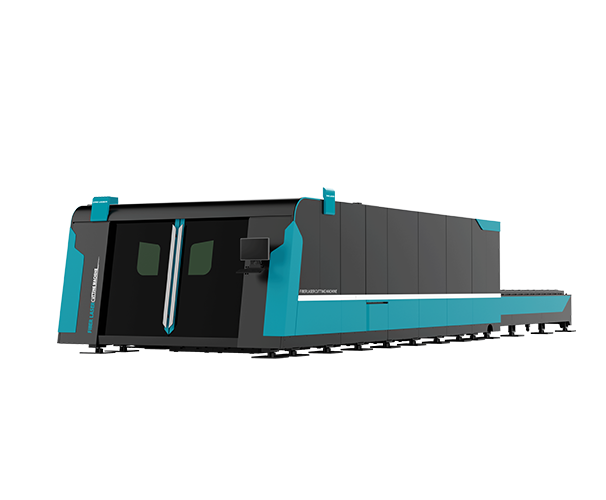
DNE LASER (Guangdong) Co., Ltd. (Brand name: DNE LASER), a wholly owned subsidiary of Swiss Bystronic Group, is headquartered in Shenzhen with its production base located in Nanhai, Foshan.
For all business inquiries, partnership discussions and feedback, please contact us via website form, 24-hour service hotline or email. Our team guarantees a prompt response within one business day.
We welcome talented professionals worldwide, offering attractive pay, benefits, and clear career paths. Our collaborative culture drives innovation. Whether an expert or rising star, you'll thrive with us.
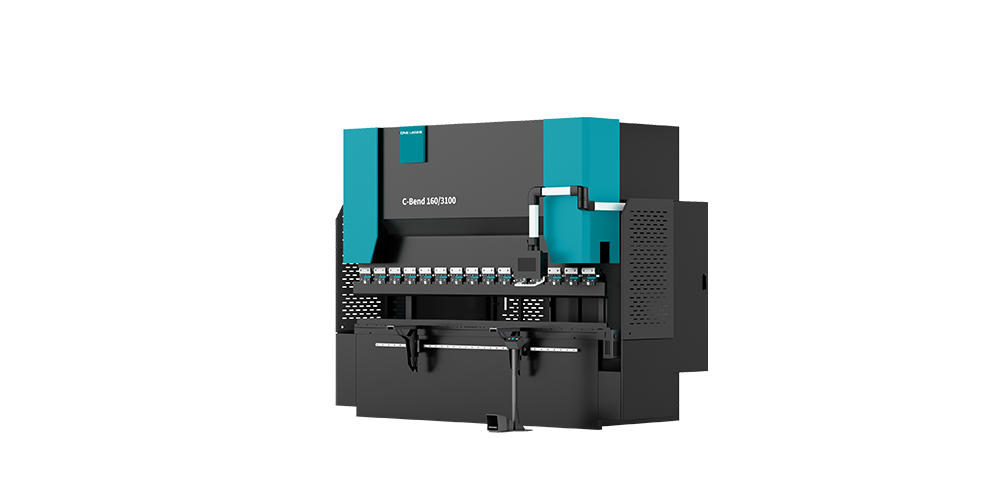
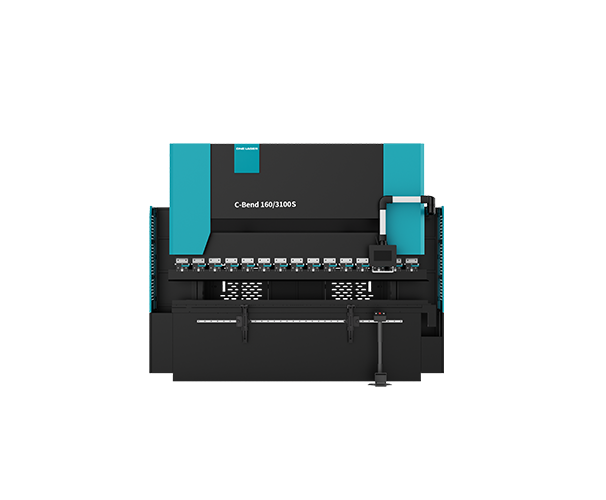
A press brake works in 5 stages: position the sheet, clamp it against the punch and die, drive the ram down to produce the bend, retract the ram, then release and remove the finished part.The operating principle is straightforward.
The press brake positions a metal sheet over a V-shaped die. The upper punch descends and presses the sheet into the die cavity, causing plastic deformation of the material to the desired angle.
What controls the quality of that bend — and separates a precise result from a reject — is the accuracy of the back gauge position, the CNC program, the selected tonnage, and the geometry of the punch and die set.
The five-step operating sequence breaks down as follows:
Position the material against the back gauge fingers. The back gauge determines where the bend line falls on the sheet. On CNC-equipped machines, the back gauge auto-adjusts to the programmed position before each bend.
Clamp the sheet between the punch and die. The clamping system holds the workpiece in precise alignment, preventing slipping during the forming stroke.
Drive the upper punch down into the V-shaped lower die. The ram descends at a controlled working speed of 1–15 mm/s during the active bending stroke. The sheet undergoes plastic deformation as the punch forces it into the die cavity.
Retract the ram after achieving the programmed angle. The ram returns at idle speed — up to 200 mm/s — substantially faster than the working stroke to maximize cycle efficiency.
Release and remove the finished workpiece. The operator or robotic handling system removes the bent part; the machine resets for the next cycle.
This five-step sequence is consistent across all press brake types. What changes from one machine to the next is only the drive mechanism — mechanical flywheel, hydraulic cylinders, servo motors, or a hybrid of hydraulic and electric.